THE ADVENTURE COLLECTIVE® · Independent discovery and booking for outdoor travel

Spend a full day moving from ancient stone temples to misted waterfalls and sculpted rice terraces around Ubud. This guided private tour blends cultural ritual, scenic viewpoints and practical logistics—perfect for first-time visitors who want a comprehensive taste of central Bali.
Spend a full day moving from ancient stone temples to misted waterfalls and sculpted rice terraces around Ubud. This guided private tour blends cultural ritual, scenic viewpoints and practical logistics—perfect for first-time visitors who want a comprehensive taste of central Bali.
You arrive before the heat has taken hold and Ubud is still a slow, waking pulse: scooters putter past warungs, and the air carries wet earth and coconut smoke. The day tour shepherds you first into dense green—Goa Gajah’s carved mouth yawning into shadow—and later unfurls in sunlight across rice terraces that seem to stack the landscape like oversized steps. At Kanto Lampo the river insists on attention, carving channels around black stone and throwing sheets of spray into the air that dare you to step in.
Verified experiences and guided adventures in the surrounding area.
Operated by Anugrah Bali Tour · Ubud, Bali
You arrive before the heat has taken hold and Ubud is still a slow, waking pulse: scooters putter past warungs, and the air carries wet earth and coconut smoke. The day tour shepherds you first into dense green—Goa Gajah’s carved mouth yawning into shadow—and later unfurls in sunlight across rice terraces that seem to stack the landscape like oversized steps. At Kanto Lampo the river insists on attention, carving channels around black stone and throwing sheets of spray into the air that dare you to step in.
These sites tell different chapters of Bali’s story. Goa Gajah is a carving of cross-cultural faiths—Hindu iconography rubbing shoulders with historic Buddhist traces—its stonework surviving centuries of tropical weather. Tirta Empul, the purification springs, is less an archaeological display and more a living ritual: water channels and pools fed by natural springs where Balinese come to be ‘melukat’—a ceremonial cleansing that threads today’s island life to ancient cosmology. Tegallalang, north of Ubud, sits on terraces cut into the volcanic slopes above the Petanu River; those steps are both irrigation infrastructure and an aesthetic practice developed over generations of rice farmers.
Geologically this part of central Bali is volcanic in origin. The soil is deep and fertile; the terrain tilts from gentle valley floors to tighter ridgelines, so expect short climbs, stone steps and muddy trails at waterfall access points. Culturally, modesty matters at sacred sites—sarongs and sashes are part of the dress code (the tour supplies a sarong for the ceremony).
Practically: the full itinerary runs 8–10 hours with an English-speaking driver, entrance fees and bottled water included. Comfortable, quick-drying shoes are the best choice—there are steps and slick rocks at falls and temple courtyards. Plan to arrive at Tirta Empul before noon if you want a calmer experience during blessing rituals. Bring sun protection and a small towel for the waterfalls. Hydrate; the day includes short walks but not strenuous hiking, though uneven surfaces demand steady footing.
Timing matters for photos and crowds. Go early at Goa Gajah for softer light and fewer people; Tegallalang rewards mid-afternoon shadows that define the terraces. Respect local customs—remove shoes at temple thresholds, and avoid photographing people during private prayers without permission.
This loop is ideal for travelers seeking a single-day primer on Bali’s nature and spiritual life: balanced, accessible, and vivid enough to leave you wanting a longer stay in the highland villages and rice fields surrounding Ubud.
easy.
8–10 hours.
Suitable for travelers in normal physical condition—expect short walks, stairs and uneven steps.
Yes—you're welcome to observe. Participation requires modest dress and following the guide’s instructions; a sarong is provided.
Expect light walking: temple courtyards, stair approaches to waterfalls and short terrace paths—no long hikes or technical sections.
Yes, entrance tickets for all listed destinations are included in the tour price.
Infants must sit on an adult’s lap. The tour is not recommended for pregnant travelers or those with certain back/heart conditions—check health advisories before booking.
Food is not listed as included besides bottled water; most tours stop at a local warung or restaurant where you can buy lunch—confirm with the operator if you want a specific meal option.
Pickups are flexible—hotel and airport lobby pickups are available; specify your pickup point and flight details when booking.
Goa Gajah and Tirta Empul date back to the island’s early medieval period; the temple springs and carved stonework reflect centuries of ritual and local craftsmanship.
Stick to marked paths, avoid stepping on rice terraces, and use refillable bottles: local guides aim to minimize plastic waste and limit erosion on fragile trails.
Anugrah Bali Tour operates guided outdoor trips and adventures with an emphasis on safety, stewardship, and memorable experiences.
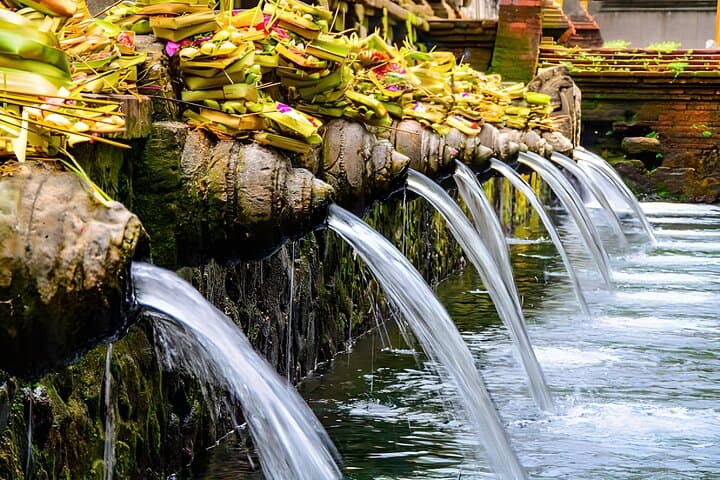
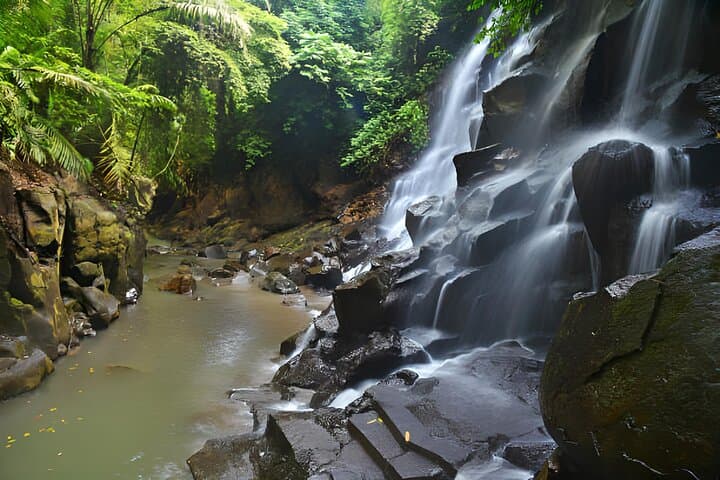
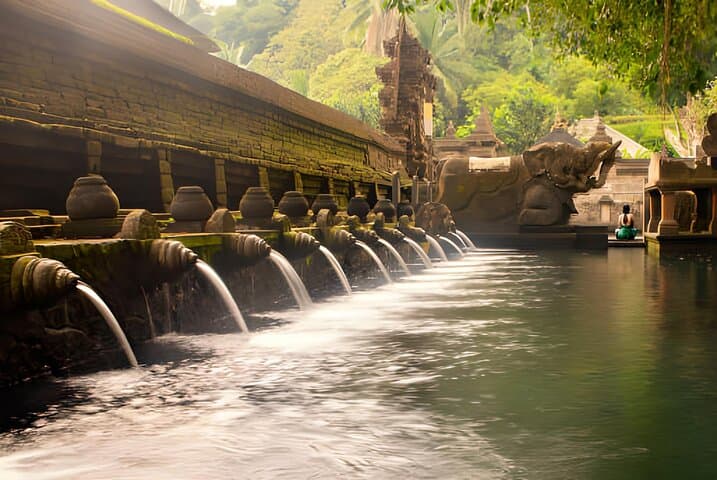
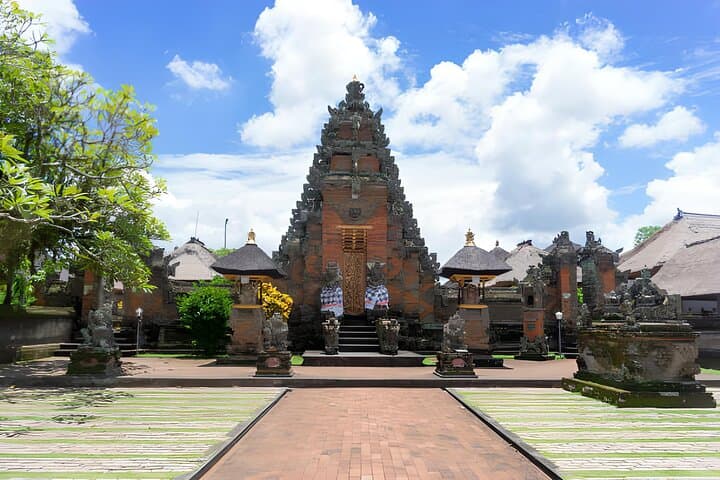
You arrive before the heat has taken hold and Ubud is still a slow, waking pulse: scooters putter past warungs, and the air carries wet earth and coconut smoke. The day tour shepherds you first into dense green—Goa Gajah’s carved mouth yawning into shadow—and later unfurls in sunlight across rice terraces that seem to stack the landscape like oversized steps. At Kanto Lampo the river insists on attention, carving channels around black stone and throwing sheets of spray into the air that dare you to step in.
You arrive before the heat has taken hold and Ubud is still a slow, waking pulse: scooters putter past warungs, and the air carries wet earth and coconut smoke. The day tour shepherds you first into dense green—Goa Gajah’s carved mouth yawning into shadow—and later unfurls in sunlight across rice terraces that seem to stack the landscape like oversized steps. At Kanto Lampo the river insists on attention, carving channels around black stone and throwing sheets of spray into the air that dare you to step in.
These sites tell different chapters of Bali’s story. Goa Gajah is a carving of cross-cultural faiths—Hindu iconography rubbing shoulders with historic Buddhist traces—its stonework surviving centuries of tropical weather. Tirta Empul, the purification springs, is less an archaeological display and more a living ritual: water channels and pools fed by natural springs where Balinese come to be ‘melukat’—a ceremonial cleansing that threads today’s island life to ancient cosmology. Tegallalang, north of Ubud, sits on terraces cut into the volcanic slopes above the Petanu River; those steps are both irrigation infrastructure and an aesthetic practice developed over generations of rice farmers.
Geologically this part of central Bali is volcanic in origin. The soil is deep and fertile; the terrain tilts from gentle valley floors to tighter ridgelines, so expect short climbs, stone steps and muddy trails at waterfall access points. Culturally, modesty matters at sacred sites—sarongs and sashes are part of the dress code (the tour supplies a sarong for the ceremony).
Practically: the full itinerary runs 8–10 hours with an English-speaking driver, entrance fees and bottled water included. Comfortable, quick-drying shoes are the best choice—there are steps and slick rocks at falls and temple courtyards. Plan to arrive at Tirta Empul before noon if you want a calmer experience during blessing rituals. Bring sun protection and a small towel for the waterfalls. Hydrate; the day includes short walks but not strenuous hiking, though uneven surfaces demand steady footing.
Timing matters for photos and crowds. Go early at Goa Gajah for softer light and fewer people; Tegallalang rewards mid-afternoon shadows that define the terraces. Respect local customs—remove shoes at temple thresholds, and avoid photographing people during private prayers without permission.
This loop is ideal for travelers seeking a single-day primer on Bali’s nature and spiritual life: balanced, accessible, and vivid enough to leave you wanting a longer stay in the highland villages and rice fields surrounding Ubud.