THE ADVENTURE COLLECTIVE® · Independent discovery and booking for outdoor travel

Step into Ubud’s holy spring ritual and bathe in water that Balinese communities have treated as both medicine and spirit for generations. This full-day tour pairs rice-terrace views with guided purification—expect modest dress, cool spring water, and thoughtful local guidance.
Step into Ubud’s holy spring ritual and bathe in water that Balinese communities have treated as both medicine and spirit for generations. This full-day tour pairs rice-terrace views with guided purification—expect modest dress, cool spring water, and thoughtful local guidance.
Dawn in central Bali has a wet hush: rice terraces hold mirror-like pools and a thin steam lifts from the valley as you arrive at the temple grounds.
Verified experiences and guided adventures in the surrounding area.
Operated by GlobalTix Pte Ltd · Ubud, Bali
Dawn in central Bali has a wet hush: rice terraces hold mirror-like pools and a thin steam lifts from the valley as you arrive at the temple grounds.
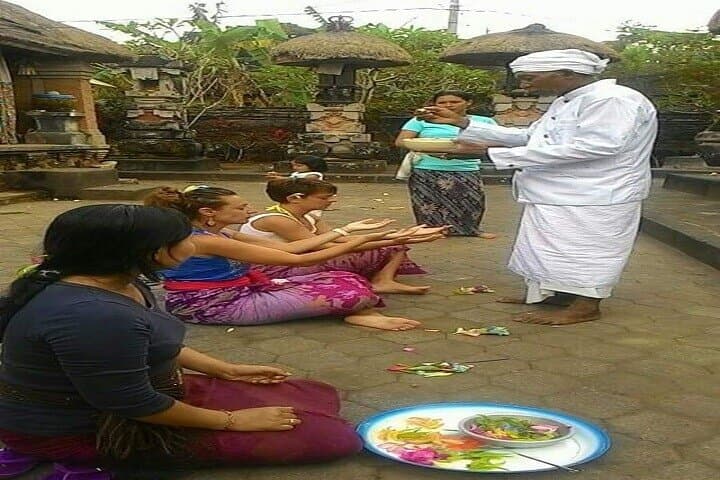
At Sebatu Temple (often combined with nearby Tirta Empul sites), the ritual begins where cool spring water threads through stone spouts and dares you to step in. The guide—often a local Balinese—explains each basin, the sequence of prayers, and the offerings placed at temple thresholds. The water is work and symbol: it cleans, it focuses, it connects.
This region sits on volcanic soils fed by springs that have supported the Subak irrigation system for centuries; water temples here are both spiritual centers and practical hydraulic nodes in Balinese agrarian life. Cultural rules are direct—cover shoulders, accept offerings respectfully, and follow the lead of priests and healers.
Practically, expect a full-day outing (10–11 hours) with vehicle transfers between rice terraces, village stops, and the purification pools. The ceremony itself involves guided bathing in cool spring water, short prayers, and optional consultations with local healers. Light walking on uneven stone and narrow paths is typical; sandals are fine but bring closed shoes if you plan extra trekking. Hydrate in advance, carry a small dry bag for electronics, and leave noisy behavior and drones at home—photography is common but always ask before photographing ceremonies.
Timing: mornings are cooler and quieter; late afternoons can be busy. The experience is low-impact physically but high in cultural intensity—approach it with curiosity, respect, and comfortable modest clothing.
easy.
10–11 hours.
Suitable for most travelers in light to average fitness—requires standing, short walks on stone steps, and getting in/out of shallow pools.
No—guides and temple attendants will explain the sequence; follow their instructions and observe local participants to mirror actions.
Children over 12 are commonly permitted; anyone with cardiovascular or mobility issues should consult the operator—cold water and standing can be uncomfortable.
Yes—tours typically include private vehicle pickup from Ubud or nearby meeting points; confirm pickup location when booking.
Photography is often allowed but should be discreet; always ask priests or guides before photographing private rites or healers.
Water temples in central Bali combine ritual and irrigation—part of the Subak system that has guided rice cultivation and community water management for centuries.
Respect offerings and avoid leaving litter; support local guides and small warungs to keep tourism benefits local, and minimize single-use plastics.
GlobalTix Pte Ltd operates guided outdoor trips and adventures with an emphasis on safety, stewardship, and memorable experiences.


Dawn in central Bali has a wet hush: rice terraces hold mirror-like pools and a thin steam lifts from the valley as you arrive at the temple grounds.
Dawn in central Bali has a wet hush: rice terraces hold mirror-like pools and a thin steam lifts from the valley as you arrive at the temple grounds.
At Sebatu Temple (often combined with nearby Tirta Empul sites), the ritual begins where cool spring water threads through stone spouts and dares you to step in. The guide—often a local Balinese—explains each basin, the sequence of prayers, and the offerings placed at temple thresholds. The water is work and symbol: it cleans, it focuses, it connects.
This region sits on volcanic soils fed by springs that have supported the Subak irrigation system for centuries; water temples here are both spiritual centers and practical hydraulic nodes in Balinese agrarian life. Cultural rules are direct—cover shoulders, accept offerings respectfully, and follow the lead of priests and healers.
Practically, expect a full-day outing (10–11 hours) with vehicle transfers between rice terraces, village stops, and the purification pools. The ceremony itself involves guided bathing in cool spring water, short prayers, and optional consultations with local healers. Light walking on uneven stone and narrow paths is typical; sandals are fine but bring closed shoes if you plan extra trekking. Hydrate in advance, carry a small dry bag for electronics, and leave noisy behavior and drones at home—photography is common but always ask before photographing ceremonies.
Timing: mornings are cooler and quieter; late afternoons can be busy. The experience is low-impact physically but high in cultural intensity—approach it with curiosity, respect, and comfortable modest clothing.