THE ADVENTURE COLLECTIVE® · Independent discovery and booking for outdoor travel

Customize a full day around Ubud’s most compelling outdoor and cultural sites—Tirta Empul, Tegalalang, waterfalls and the Monkey Forest—without sharing the vehicle. Choose up to five stops and travel with a local guide who knows the routes, timing and temple etiquette.
Customize a full day around Ubud’s most compelling outdoor and cultural sites—Tirta Empul, Tegalalang, waterfalls and the Monkey Forest—without sharing the vehicle. Choose up to five stops and travel with a local guide who knows the routes, timing and temple etiquette.
You step out of an air‑conditioned van into Ubud's warm, humid morning and the sound of motorbikes and birds threads through the rice fields. The guide folds a map and points: today is a route through water, stone and village life—ancient springs that insist on cleansing, terraces that stair-step the hills, and jungle gullies where waterfalls dare you closer.
Verified experiences and guided adventures in the surrounding area.
Operated by Driver Ubud · Ubud, Bali
You step out of an air‑conditioned van into Ubud's warm, humid morning and the sound of motorbikes and birds threads through the rice fields. The guide folds a map and points: today is a route through water, stone and village life—ancient springs that insist on cleansing, terraces that stair-step the hills, and jungle gullies where waterfalls dare you closer.
Centuries-old temples like Tirta Empul and Goa Gajah reveal Bali's layered history: 10th‑century stonework, Hindu purification rituals and the subak irrigation system that shaped the Tegalalang terraces. Geologically, the landscape is volcanic—eroded flows and steep ravines feed the streams and plunge into clear plunge pools below. Culturally, Ubud balances daily offerings and market trade; the Monkey Forest preserves both primates and temple shrines under local stewardship.
Practically, a private full‑day tour gives flexibility to pick up to five sights—ideal if you want a sunrise Mount Batur viewpoint, a mid‑morning swim at Tibumana, and an afternoon wandering the Ubud art market. Expect short walks on uneven stone steps, brief jungle treks to falls, and temple protocols (sarongs, respectful behavior). Bring a refillable water bottle, light rain layer, and quick‑dry swimwear. Start early to dodge traffic and midday heat; plan entrance fees in cash and allow 10 hours for a relaxed pace with photos and breaks.
This is a day built for curiosity: history in the stones, agriculture in the terraces, and active nature in the falls—ready to be shaped to your own pace and interests.
easy.
10 hours.
Suitable for most fitness levels; expect short hikes, steps, and standing at sites—no technical fitness required.
No—entrance fees to temples, waterfalls and attractions are typically not included; carry local currency for tickets.
Yes—this is a private tour that allows you to choose up to five stops in a single day; communicate your priorities when booking.
Private, air‑conditioned transport is included; indicate your pickup point on booking so the driver can plan the route.
Generally yes—both sites are family-friendly but supervise children around water, steps and free‑roaming monkeys; follow staff guidance for safety.
Ubud’s temple complexes and terraces reflect centuries of Balinese Hindu practice and the subak cooperative irrigation tradition that dates back to the 9th–10th centuries.
Sites like the Monkey Forest operate under local conservation practices; limit plastic, avoid feeding wildlife, and follow designated paths to minimize impact.
Driver Ubud operates guided outdoor trips and adventures with an emphasis on safety, stewardship, and memorable experiences.
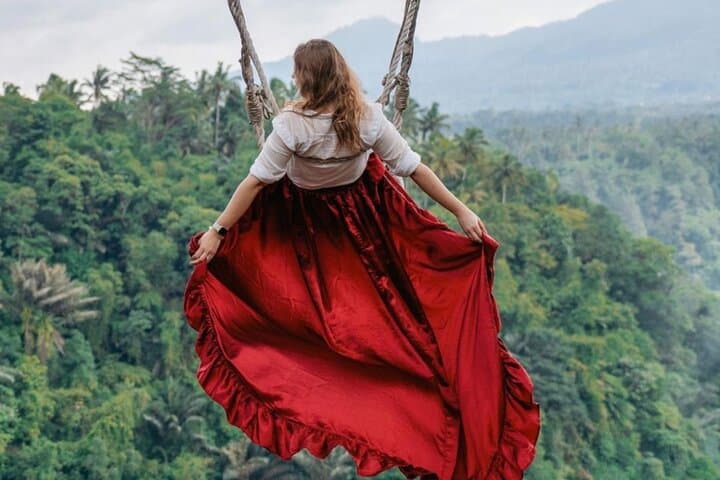
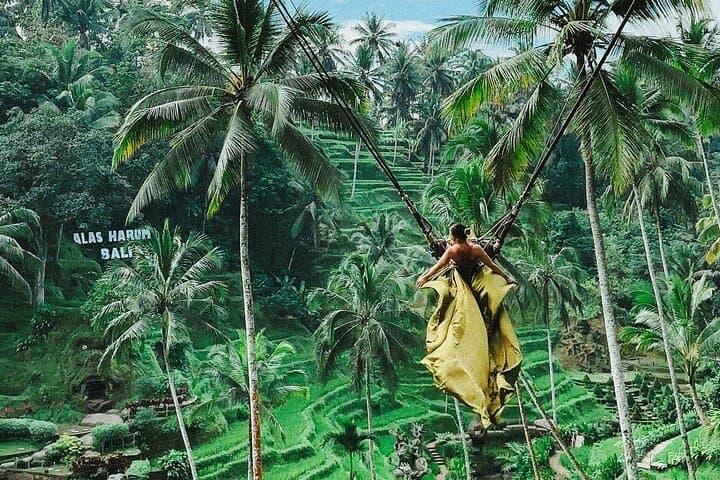
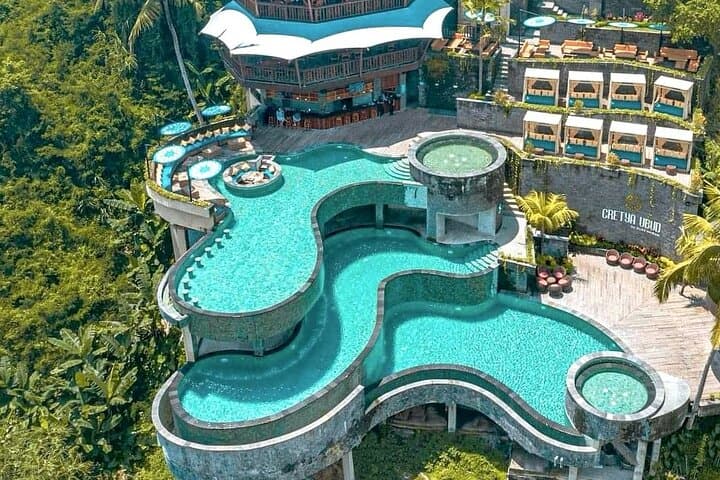
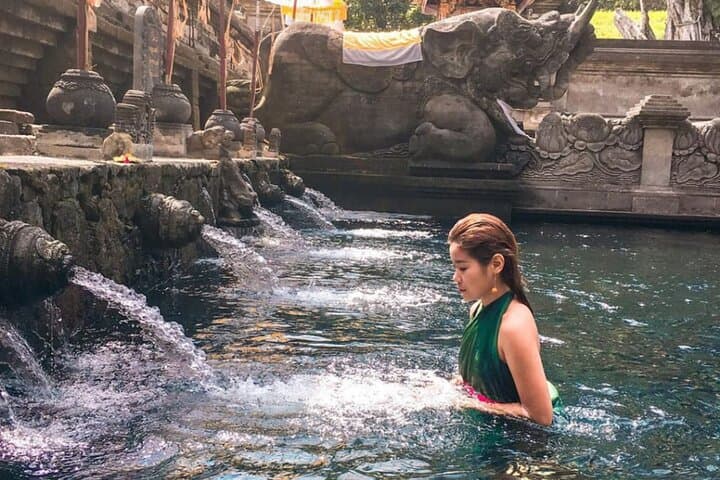
You step out of an air‑conditioned van into Ubud's warm, humid morning and the sound of motorbikes and birds threads through the rice fields. The guide folds a map and points: today is a route through water, stone and village life—ancient springs that insist on cleansing, terraces that stair-step the hills, and jungle gullies where waterfalls dare you closer.
You step out of an air‑conditioned van into Ubud's warm, humid morning and the sound of motorbikes and birds threads through the rice fields. The guide folds a map and points: today is a route through water, stone and village life—ancient springs that insist on cleansing, terraces that stair-step the hills, and jungle gullies where waterfalls dare you closer.
Centuries-old temples like Tirta Empul and Goa Gajah reveal Bali's layered history: 10th‑century stonework, Hindu purification rituals and the subak irrigation system that shaped the Tegalalang terraces. Geologically, the landscape is volcanic—eroded flows and steep ravines feed the streams and plunge into clear plunge pools below. Culturally, Ubud balances daily offerings and market trade; the Monkey Forest preserves both primates and temple shrines under local stewardship.
Practically, a private full‑day tour gives flexibility to pick up to five sights—ideal if you want a sunrise Mount Batur viewpoint, a mid‑morning swim at Tibumana, and an afternoon wandering the Ubud art market. Expect short walks on uneven stone steps, brief jungle treks to falls, and temple protocols (sarongs, respectful behavior). Bring a refillable water bottle, light rain layer, and quick‑dry swimwear. Start early to dodge traffic and midday heat; plan entrance fees in cash and allow 10 hours for a relaxed pace with photos and breaks.
This is a day built for curiosity: history in the stones, agriculture in the terraces, and active nature in the falls—ready to be shaped to your own pace and interests.