THE ADVENTURE COLLECTIVE® · Independent discovery and booking for outdoor travel

Spend a day moving between ancient temple courtyards and river-carved waterfalls around Ubud. This private, eight-hour tour pairs cultural insight at Batuan Temple with swims and viewpoints at Tibumana, Kanto Lampo and Tegenungan.
Spend a day moving between ancient temple courtyards and river-carved waterfalls around Ubud. This private, eight-hour tour pairs cultural insight at Batuan Temple with swims and viewpoints at Tibumana, Kanto Lampo and Tegenungan.
You step out of an air-conditioned car into a humid ribbon of valley air, the sound of water already threading through the trees. Your guide folds a sarong and points down a stone stairway—moss-slick, worn by generations—toward the first cascade. This is Ubud beyond the postcards: a day of temple courtyards carved with myth, river gorges that dare you closer, and swimming holes framed by basalt cliffs and rice-field edges.
Verified experiences and guided adventures in the surrounding area.
Operated by Bali Local Host · Ubud, Bali
You step out of an air-conditioned car into a humid ribbon of valley air, the sound of water already threading through the trees. Your guide folds a sarong and points down a stone stairway—moss-slick, worn by generations—toward the first cascade. This is Ubud beyond the postcards: a day of temple courtyards carved with myth, river gorges that dare you closer, and swimming holes framed by basalt cliffs and rice-field edges.
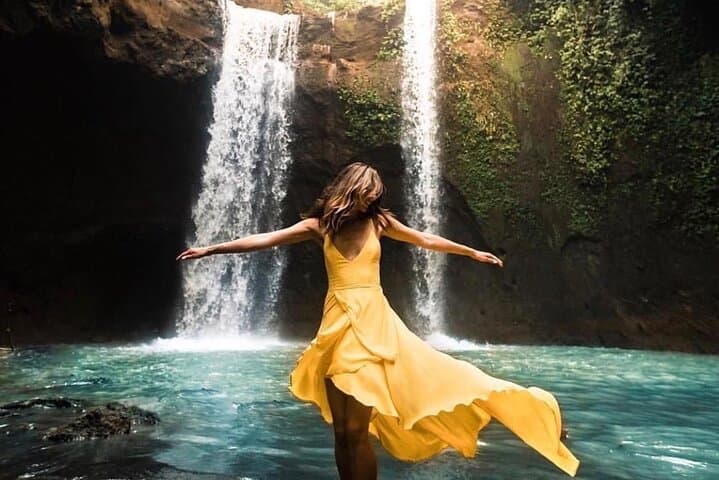
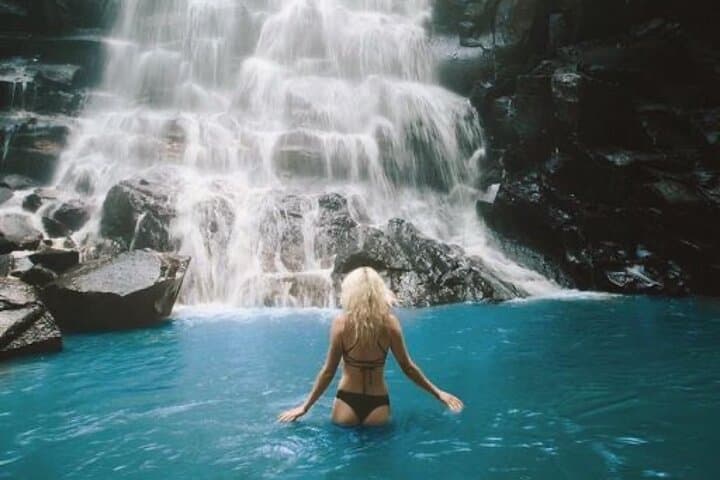
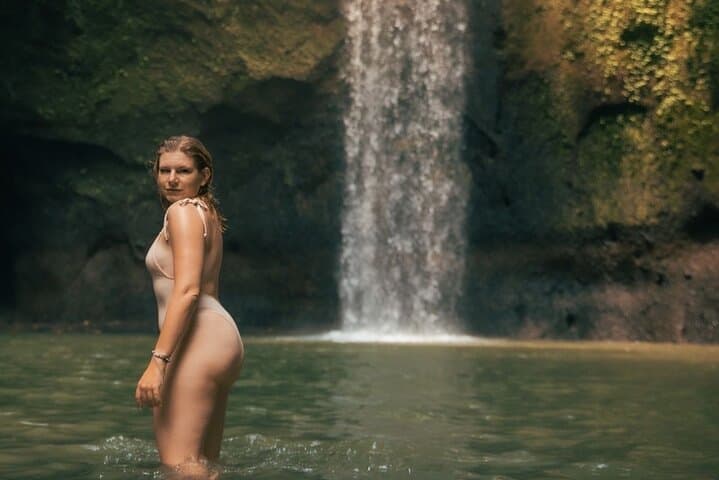
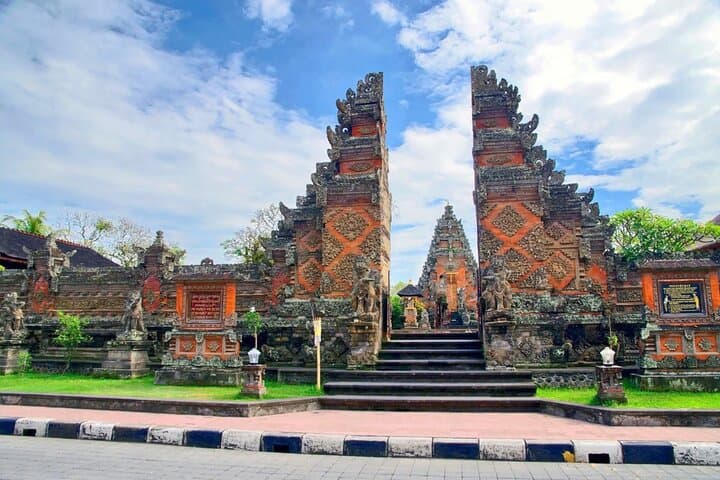
The tour stitches together sites that map Bali’s layered history. Batuan Temple, dated to the 10th century, still reads like a living storybook; Ramayana and Mahabharata scenes march along its walls in bas-relief, a reminder that religion and daily life overlap here. The waterfalls—Tibumana’s serene plunge pool, Kanto Lampo’s curtain of stepped water, and Tegenungan’s broad horsetail—are water-sculpted features set into volcanic terrain where rivers have carved through hardened lava and alluvial sediments over millennia.
Culture is tactile: priests in white cotton, offerings on temple thresholds, and local vendors selling coconut and coffee by the parking lot. Guides translate etiquette as clearly as history—how to fold a sarong around your waist, when to remove hats, and why a small donation matters at a shrine. Outside the formalities, the valley reveals quieter pleasures: a river club tucked into a bend, a fork of the trail that drops to a shadowed plunge pool, or a rice-pad vantage where farmers navigate narrow irrigation channels.
Practically, this is a day for sensible planning. The itinerary runs about eight hours with hotel pickup across southern Bali (Ubud, Seminyak, Sanur, Kuta, Canggu). Expect multiple short walks—steps and uneven trails—rather than long hikes. Bring a dry bag for electronics, quick-dry clothing, and a pair of shoes with good tread; waterfall rocks are deceptively slick. A lightweight rain jacket helps in the wet season, and a refillable water bottle keeps plastic out of streams. Sarongs for temple entry are provided, but carry small bills for donations or lockers where available.
Timing matters: arrive early at popular falls to avoid crowds and capture clean light for photography. Respect posted signs—natural pools can be shallow near rocks—and follow your guide’s lead when currents pick up after heavy rains. The tour is private and flexible: ask to swap a stop or linger longer at a pool if the mood and schedule allow. By dusk you’ll be back at your hotel with damp hair, a handful of images, and the particular calm that comes from a day spent where culture and current converge.
easy.
8 hours.
Suitable for light to average fitness—short walks and stair descents, no long climbs required
Pickup times vary by hotel location; your guide will confirm a window and typically arrives about 15 minutes before departure.
The tour listing notes admissions are not included—bring cash for any local entrance fees, donations, or optional activities.
Yes at designated pools like Tibumana and parts of Tegenungan, but heed current warnings and your guide’s advice—conditions change after rain.
Yes—walks are short but include steps; inform the operator of mobility needs when booking for tailored pacing.
Yes, a Balinese sarong is included for temple entrance but you should dress modestly otherwise (shoulders covered, no shorts for men at some temples).
The tour includes an English-speaking driver; specify other language needs when booking to confirm availability.
Batuan Temple dates to the 10th century and features continuous Balinese Hindu practice, with stone reliefs depicting epic Hindu narratives.
Waterfall sites face erosion and litter pressure from visitors; support local guides, avoid soaps in pools, and use refillable bottles to reduce waste.
Bali Local Host operates guided outdoor trips and adventures with an emphasis on safety, stewardship, and memorable experiences.
You step out of an air-conditioned car into a humid ribbon of valley air, the sound of water already threading through the trees. Your guide folds a sarong and points down a stone stairway—moss-slick, worn by generations—toward the first cascade. This is Ubud beyond the postcards: a day of temple courtyards carved with myth, river gorges that dare you closer, and swimming holes framed by basalt cliffs and rice-field edges.
You step out of an air-conditioned car into a humid ribbon of valley air, the sound of water already threading through the trees. Your guide folds a sarong and points down a stone stairway—moss-slick, worn by generations—toward the first cascade. This is Ubud beyond the postcards: a day of temple courtyards carved with myth, river gorges that dare you closer, and swimming holes framed by basalt cliffs and rice-field edges.
The tour stitches together sites that map Bali’s layered history. Batuan Temple, dated to the 10th century, still reads like a living storybook; Ramayana and Mahabharata scenes march along its walls in bas-relief, a reminder that religion and daily life overlap here. The waterfalls—Tibumana’s serene plunge pool, Kanto Lampo’s curtain of stepped water, and Tegenungan’s broad horsetail—are water-sculpted features set into volcanic terrain where rivers have carved through hardened lava and alluvial sediments over millennia.
Culture is tactile: priests in white cotton, offerings on temple thresholds, and local vendors selling coconut and coffee by the parking lot. Guides translate etiquette as clearly as history—how to fold a sarong around your waist, when to remove hats, and why a small donation matters at a shrine. Outside the formalities, the valley reveals quieter pleasures: a river club tucked into a bend, a fork of the trail that drops to a shadowed plunge pool, or a rice-pad vantage where farmers navigate narrow irrigation channels.
Practically, this is a day for sensible planning. The itinerary runs about eight hours with hotel pickup across southern Bali (Ubud, Seminyak, Sanur, Kuta, Canggu). Expect multiple short walks—steps and uneven trails—rather than long hikes. Bring a dry bag for electronics, quick-dry clothing, and a pair of shoes with good tread; waterfall rocks are deceptively slick. A lightweight rain jacket helps in the wet season, and a refillable water bottle keeps plastic out of streams. Sarongs for temple entry are provided, but carry small bills for donations or lockers where available.
Timing matters: arrive early at popular falls to avoid crowds and capture clean light for photography. Respect posted signs—natural pools can be shallow near rocks—and follow your guide’s lead when currents pick up after heavy rains. The tour is private and flexible: ask to swap a stop or linger longer at a pool if the mood and schedule allow. By dusk you’ll be back at your hotel with damp hair, a handful of images, and the particular calm that comes from a day spent where culture and current converge.