THE ADVENTURE COLLECTIVE® · Independent discovery and booking for outdoor travel

A private, full-day circuit of Ubud’s top attractions—temples, rice terraces, artisan villages and the Sacred Monkey Forest—offered with an English-speaking driver and air-conditioned transport. Ideal for travelers who want a compact, insightful introduction to Balinese culture and landscapes.
A private, full-day circuit of Ubud’s top attractions—temples, rice terraces, artisan villages and the Sacred Monkey Forest—offered with an English-speaking driver and air-conditioned transport. Ideal for travelers who want a compact, insightful introduction to Balinese culture and landscapes.
You step out of an air-conditioned car into a lane of temple stone and frangipani; smoke from an offering lifts like a quiet signal across the village. The driver closes the door and the day unfolds in readable scenes—artisan workshops hammering silver, a line of batik dye vats, then the sudden chatter of macaques in a moss-dark forest.
Verified experiences and guided adventures in the surrounding area.
Operated by Partner Holiday · Ubud, Bali
You step out of an air-conditioned car into a lane of temple stone and frangipani; smoke from an offering lifts like a quiet signal across the village. The driver closes the door and the day unfolds in readable scenes—artisan workshops hammering silver, a line of batik dye vats, then the sudden chatter of macaques in a moss-dark forest.
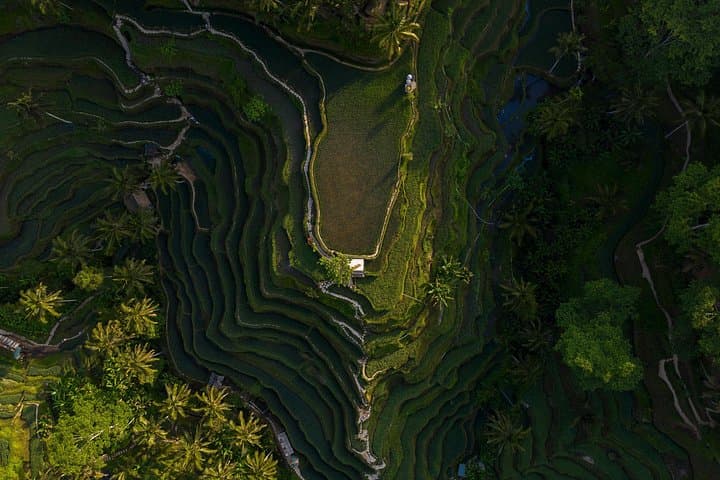
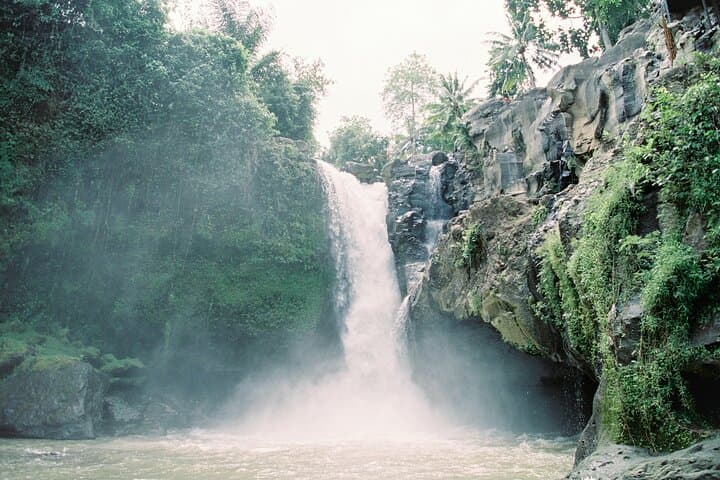
This full-day private tour threads through central Bali’s cultural core. Ubud’s temples—some founded in the 11th century—sit on volcanic soil carved by centuries of irrigation called subak; the rice terraces are engineered steps that hold water and memory. Geology here is raw: ash-rich loams from nearby volcanoes lend the paddies their deep green, while streams cut channels that dare you to step closer for a better view.
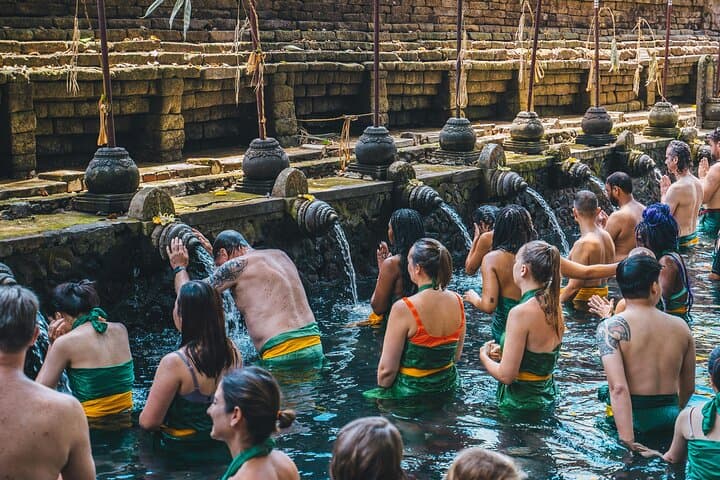
Local culture is palpable: temple compounds practice Tri Kahyangan rituals, artisans still hand-stamp batik, and goldsmiths pass techniques down linearly from master to apprentice. At the Sacred Monkey Forest, long-tailed macaques patrol pathways with the casual authority of kings.
For travelers, the tour is practical and paced: expect 8–10 hours with multiple short stops, light walking at each site, and entrance fees handled. Bring sturdy sandals or low-profile hiking shoes for uneven temple steps, sun protection for open terraces, and a respectful head covering for temple visits. Hydrate—Bali’s humidity pulls water fast—and keep phones secured around monkeys.
The route balances cultural education and easily accessible nature, making it a strong choice for anyone wanting a comprehensive Ubud overview without extensive trekking.
easy.
8–10 hours.
Light walking and standing; suitable for most fitness levels but expect uneven steps and short trails.
The tour runs about 8–10 hours and includes private transport, bottled water, admission fees to listed attractions, and an English-speaking driver.
Yes—stops involve light walking and can be paced; inform the operator of mobility needs when booking for tailored pickup and timing.
Yes—this private tour is commonly adjusted for interests and timing; confirm any special requests with the operator at booking.
They are generally not dangerous but are wild animals; avoid direct eye contact, do not feed them, and keep cameras and loose items secured.
Ubud’s temples and village structures are closely tied to Balinese Hindu practices established in the 10th–11th centuries, with the subak irrigation system reflecting communal agricultural management.
Visitors should respect temple rules and local waste practices; avoid single-use plastics and follow paths to reduce erosion on terraces.
Partner Holiday operates guided outdoor trips and adventures with an emphasis on safety, stewardship, and memorable experiences.

You step out of an air-conditioned car into a lane of temple stone and frangipani; smoke from an offering lifts like a quiet signal across the village. The driver closes the door and the day unfolds in readable scenes—artisan workshops hammering silver, a line of batik dye vats, then the sudden chatter of macaques in a moss-dark forest.
You step out of an air-conditioned car into a lane of temple stone and frangipani; smoke from an offering lifts like a quiet signal across the village. The driver closes the door and the day unfolds in readable scenes—artisan workshops hammering silver, a line of batik dye vats, then the sudden chatter of macaques in a moss-dark forest.
This full-day private tour threads through central Bali’s cultural core. Ubud’s temples—some founded in the 11th century—sit on volcanic soil carved by centuries of irrigation called subak; the rice terraces are engineered steps that hold water and memory. Geology here is raw: ash-rich loams from nearby volcanoes lend the paddies their deep green, while streams cut channels that dare you to step closer for a better view.
Local culture is palpable: temple compounds practice Tri Kahyangan rituals, artisans still hand-stamp batik, and goldsmiths pass techniques down linearly from master to apprentice. At the Sacred Monkey Forest, long-tailed macaques patrol pathways with the casual authority of kings.
For travelers, the tour is practical and paced: expect 8–10 hours with multiple short stops, light walking at each site, and entrance fees handled. Bring sturdy sandals or low-profile hiking shoes for uneven temple steps, sun protection for open terraces, and a respectful head covering for temple visits. Hydrate—Bali’s humidity pulls water fast—and keep phones secured around monkeys.
The route balances cultural education and easily accessible nature, making it a strong choice for anyone wanting a comprehensive Ubud overview without extensive trekking.