THE ADVENTURE COLLECTIVE® · Independent discovery and booking for outdoor travel

Shop Ubud’s morning markets, hike a short padi path and learn authentic Balinese recipes in a community kitchen. This market-to-table Paon class blends culinary technique with local culture for a practical, hands-on half-day experience.
Shop Ubud’s morning markets, hike a short padi path and learn authentic Balinese recipes in a community kitchen. This market-to-table Paon class blends culinary technique with local culture for a practical, hands-on half-day experience.
Dawn in Ubud arrives with the market calling — crates of turmeric, bundles of lemongrass, chilies stacked like small, hot flags. Participants move through narrow aisles under a canopy of tarps, guided by a local cook who points out the particular pungency of galangal or the right stiffness of young coconut.
Verified experiences and guided adventures in the surrounding area.
Operated by Bali Savaya Tours · Ubud, Bali
Dawn in Ubud arrives with the market calling — crates of turmeric, bundles of lemongrass, chilies stacked like small, hot flags. Participants move through narrow aisles under a canopy of tarps, guided by a local cook who points out the particular pungency of galangal or the right stiffness of young coconut.
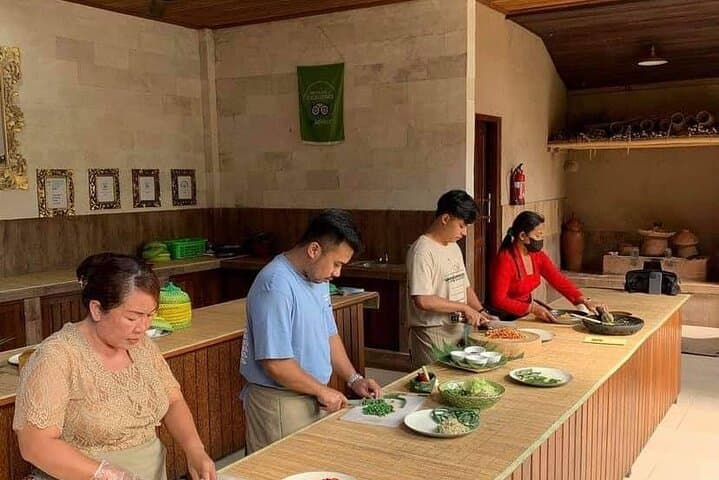
This market-to-kitchen experience traces threads of Bali’s food culture: rice-grown terraces that shape menus, temple offerings that dictate seasonal dishes, and a village cookery tradition passed across generations. The Paon (Balinese for “kitchen”) class pairs a short padi-field walk with hands-on instruction in a community kitchen in Laplapan village, where mortar-and-pestle rhythms and open-fire techniques shape flavor.
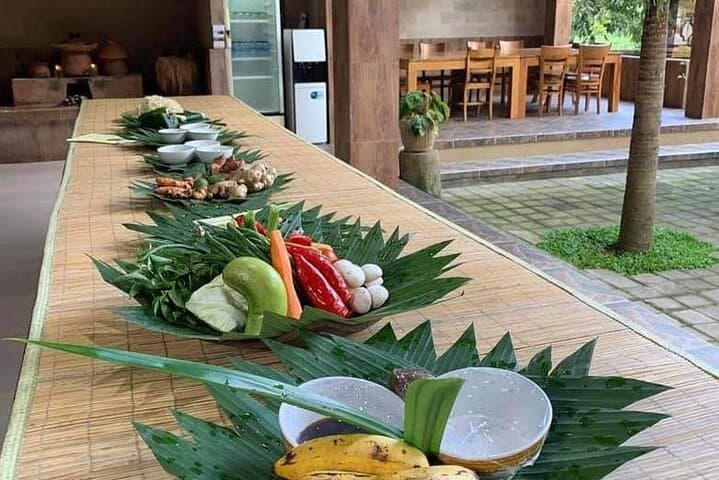
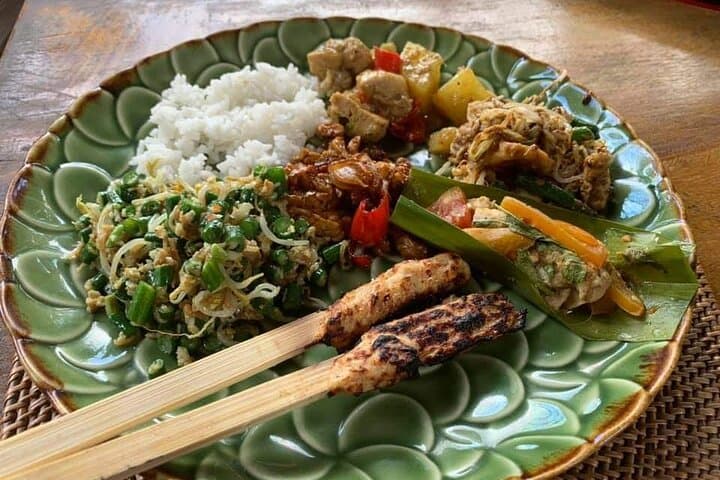
Expect to taste and make sambal, lawar, satay, and coconut-based curries, using knives and stoves under guidance and finishing by sharing the meal you helped prepare. The geology of the region — volcanic soils and irrigation channels — shows up in rice textures and fresh produce availability.
Practical guidance: arrive early for the market leg, bring small bills for purchasing extras, wear closed-toe shoes for walking through wet stalls and padi edges, and flag dietary restrictions ahead of booking. The cooking area is community-run and moderately rustic; mobility is required for brief standing and light walking.
This is a cultural, culinary, and mildly active half-day that rewards curiosity, respect for local foodways, and a willingness to get hands-on with spice and smoke.
easy.
3–5 hours.
Suitable for most fitness levels; involves short periods of standing, light walking on village paths, and basic kitchen tasks.
Some booking options include air-conditioned transfers; check your chosen option — pickup details are confirmed at booking.
Yes. Inform the operator at booking about allergies or vegetarian/vegan needs so the menu can be adapted.
Expect light walking: a short market route and a brief walk along padi field edges; mostly standing in the kitchen while cooking.
Participants typically receive a certificate of completion and eat the meal made; small leftovers are possible but not guaranteed.
Balinese cuisine is closely tied to rice cultivation and temple rituals; community kitchens like the Paon preserve recipes used in ceremonial and daily life.
The program sources local produce and supports community livelihoods; bring reusable containers and avoid single-use plastics to reduce waste in markets and village sites.
Bali Savaya Tours operates guided outdoor trips and adventures with an emphasis on safety, stewardship, and memorable experiences.
Dawn in Ubud arrives with the market calling — crates of turmeric, bundles of lemongrass, chilies stacked like small, hot flags. Participants move through narrow aisles under a canopy of tarps, guided by a local cook who points out the particular pungency of galangal or the right stiffness of young coconut.
Dawn in Ubud arrives with the market calling — crates of turmeric, bundles of lemongrass, chilies stacked like small, hot flags. Participants move through narrow aisles under a canopy of tarps, guided by a local cook who points out the particular pungency of galangal or the right stiffness of young coconut.
This market-to-kitchen experience traces threads of Bali’s food culture: rice-grown terraces that shape menus, temple offerings that dictate seasonal dishes, and a village cookery tradition passed across generations. The Paon (Balinese for “kitchen”) class pairs a short padi-field walk with hands-on instruction in a community kitchen in Laplapan village, where mortar-and-pestle rhythms and open-fire techniques shape flavor.
Expect to taste and make sambal, lawar, satay, and coconut-based curries, using knives and stoves under guidance and finishing by sharing the meal you helped prepare. The geology of the region — volcanic soils and irrigation channels — shows up in rice textures and fresh produce availability.
Practical guidance: arrive early for the market leg, bring small bills for purchasing extras, wear closed-toe shoes for walking through wet stalls and padi edges, and flag dietary restrictions ahead of booking. The cooking area is community-run and moderately rustic; mobility is required for brief standing and light walking.
This is a cultural, culinary, and mildly active half-day that rewards curiosity, respect for local foodways, and a willingness to get hands-on with spice and smoke.