THE ADVENTURE COLLECTIVE® · Independent discovery and booking for outdoor travel

Spend a full day exploring central Ubud’s highlights: the Royal Palace and market, the Sacred Monkey Forest, the terraced Subak at Tegalalang, and the plunge pool at Tegenungan Waterfall. This practical guide gives what to expect, local context, and planning tips.
Spend a full day exploring central Ubud’s highlights: the Royal Palace and market, the Sacred Monkey Forest, the terraced Subak at Tegalalang, and the plunge pool at Tegenungan Waterfall. This practical guide gives what to expect, local context, and planning tips.
You step out of a shuttle into warm Balinese air and the day opens like a map: a mosaic of market stalls, a corridor of monkeys, and tiers of green rice paddies that seem to spill down the hills.
Verified experiences and guided adventures in the surrounding area.
Operated by Your bali trekking tour · Ubud, Bali
You step out of a shuttle into warm Balinese air and the day opens like a map: a mosaic of market stalls, a corridor of monkeys, and tiers of green rice paddies that seem to spill down the hills.
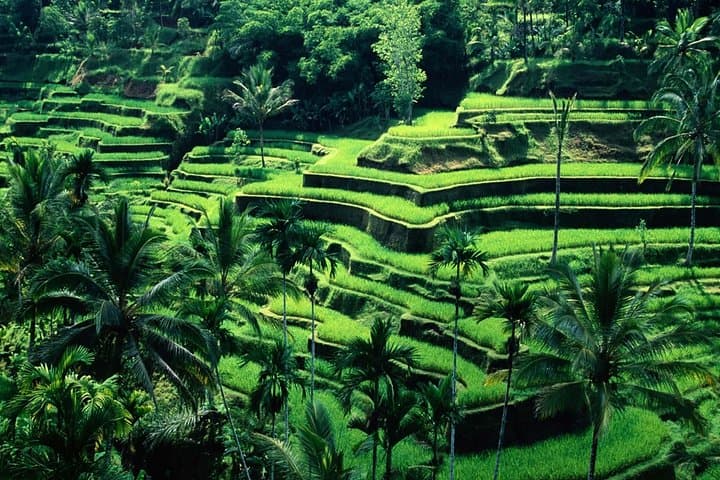
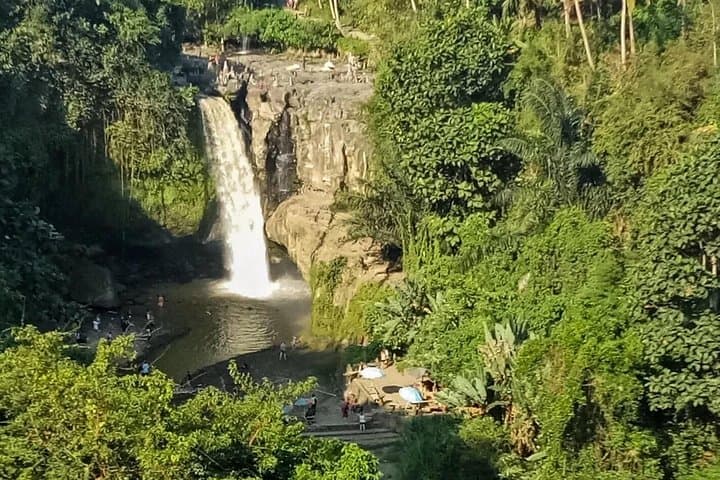
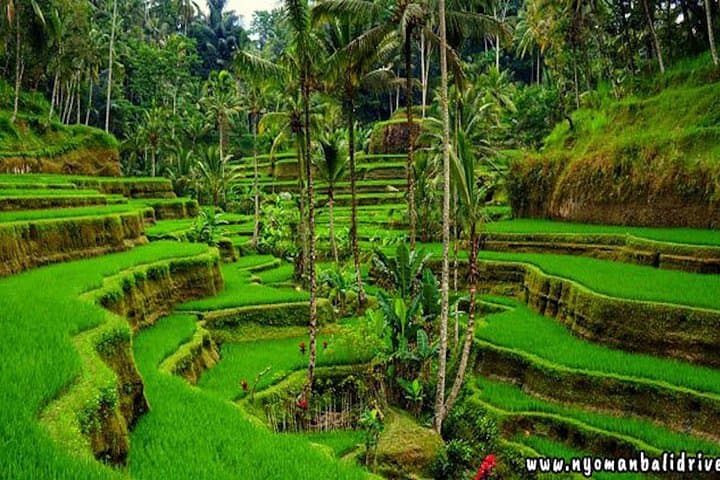
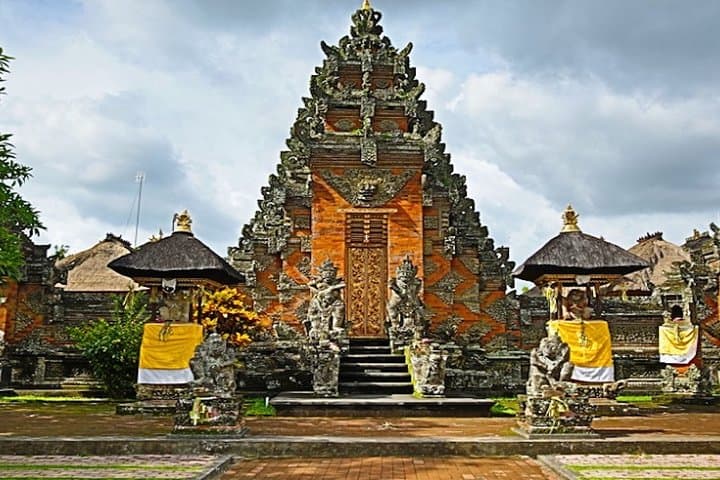
This one-day Ubud loop threads together the town’s living culture and its landscape engineering. At the Royal Palace you’ll see carved gates and a living center of ceremonial life; the market nearby hums with bargaining and local crafts—an everyday commerce that has shaped Ubud’s economy for decades. The tour visits Tegalalang, where the Subak irrigation—centuries-old cooperative water management—carves terraces into volcanic soils, and Tegenungan waterfall, born of weathered basalt that channels tributaries into a falling curtain of water.
Culturally, Ubud is both a creative hub and a village network: painters’ studios and family temples sit within walking distance. The Sacred Monkey Forest offers close encounters with long-tailed macaques that test your composure and camera skills alike.
Practical guidance: expect several short walks on uneven surfaces and stairs at viewpoints and the waterfall; bring sturdy shoes and a daypack. Weather shifts quickly—mornings are cooler, afternoons can be humid or wet in the rainy season. Plan for photo stops and 10–20 minutes at each major site, and know that bargaining at the market is customary.
Timing matters: arrive early at popular sites to avoid crowds and midday heat. Hydrate, wear sun protection, and respect temple etiquette—cover shoulders and hips when entering sacred areas.
moderate.
6 hours.
Suitable for travelers with light to moderate fitness; involves walking on uneven ground and stair descents at viewpoints and the waterfall.
Yes—this private tour includes hotel pickup and drop-off; confirm pickup details when booking.
Entrance tickets for the Monkey Forest, Tegenungan, and Tegalalang are listed as included, but carry small change for incidental fees or tips.
Yes—the Ubud market is ideal for handicrafts; bargaining is expected, so start lower and negotiate politely.
The itinerary is family-friendly but not recommended for pregnant travelers or those with serious back or heart conditions; there are stairs and some uneven terrain.
Ubud grew from royal patronage and agricultural cooperative systems like Subak, which organized rice irrigation and social rituals for centuries.
Respect local conservation by staying on paths, not feeding wildlife, and supporting community-run attractions that reinvest in preservation.
Your bali trekking tour operates guided outdoor trips and adventures with an emphasis on safety, stewardship, and memorable experiences.
You step out of a shuttle into warm Balinese air and the day opens like a map: a mosaic of market stalls, a corridor of monkeys, and tiers of green rice paddies that seem to spill down the hills.
You step out of a shuttle into warm Balinese air and the day opens like a map: a mosaic of market stalls, a corridor of monkeys, and tiers of green rice paddies that seem to spill down the hills.
This one-day Ubud loop threads together the town’s living culture and its landscape engineering. At the Royal Palace you’ll see carved gates and a living center of ceremonial life; the market nearby hums with bargaining and local crafts—an everyday commerce that has shaped Ubud’s economy for decades. The tour visits Tegalalang, where the Subak irrigation—centuries-old cooperative water management—carves terraces into volcanic soils, and Tegenungan waterfall, born of weathered basalt that channels tributaries into a falling curtain of water.
Culturally, Ubud is both a creative hub and a village network: painters’ studios and family temples sit within walking distance. The Sacred Monkey Forest offers close encounters with long-tailed macaques that test your composure and camera skills alike.
Practical guidance: expect several short walks on uneven surfaces and stairs at viewpoints and the waterfall; bring sturdy shoes and a daypack. Weather shifts quickly—mornings are cooler, afternoons can be humid or wet in the rainy season. Plan for photo stops and 10–20 minutes at each major site, and know that bargaining at the market is customary.
Timing matters: arrive early at popular sites to avoid crowds and midday heat. Hydrate, wear sun protection, and respect temple etiquette—cover shoulders and hips when entering sacred areas.