THE ADVENTURE COLLECTIVE® · Independent discovery and booking for outdoor travel

Spend a private day exploring Ubud’s living forest, sculpted rice terraces and a 10th‑century water temple. This guided loop mixes short walks, cultural insight and a stop at a local coffee farm for tasting and views.
Spend a private day exploring Ubud’s living forest, sculpted rice terraces and a 10th‑century water temple. This guided loop mixes short walks, cultural insight and a stop at a local coffee farm for tasting and views.
You step off the car into a corridor of shade and chirring wings — the Ubud Monkey Forest opens like a living room for long-tailed macaques, branches leaning in as if to offer a greeting. Monkeys inspect cameras and pockets; temple stones glint through filtered light. The day stretches ahead: rice terraces, a holy spring, a coffee plantation and a waterfall tucked into jungle.
Verified experiences and guided adventures in the surrounding area.
Operated by Wayan · Ubud, Bali
You step off the car into a corridor of shade and chirring wings — the Ubud Monkey Forest opens like a living room for long-tailed macaques, branches leaning in as if to offer a greeting. Monkeys inspect cameras and pockets; temple stones glint through filtered light. The day stretches ahead: rice terraces, a holy spring, a coffee plantation and a waterfall tucked into jungle.
These stops trace Bali’s layered story. Tegalalang’s terraces show the subak irrigation system, a cooperative practice shaped by volcanic soils from nearby peaks. Tirta Empul is a working water temple with roots in the 10th century, where channels of spring water are used for ritual purification. Smallholder coffee farms preserve traditional processing techniques and provide a quiet vantage over secondary forest.
On the ground expect varied terrain: short paved village roads, stepped paths through rice paddies and compact temple courtyards. Walking segments are generally 15–45 minutes each with minimal elevation change, but some sections include stone steps and uneven surfaces. Plan for an 8-hour day with a private English-speaking guide handling logistics and parking.
Practical notes: wear closed-toe walking shoes that handle mud, a light rain layer in the wet season, and modest clothing for temple entry (shoulders and knees covered). Carry cash for small entrance fees and offerings, keep a firm hand on cameras around monkeys, and follow your guide during purification rituals to respect local customs. Early morning or late afternoon light is best for photos; mid-day is hot and busy. Hydrate, move at a steady pace, and let the guide lead interactions with wildlife and sacred sites.
easy.
8 hours.
Suitable for travelers of average fitness; involves several short walks and some stairs but no technical climbs.
Yes; the itinerary is family-friendly but infants must sit on an adult’s lap and parents should watch children around monkeys and water features.
Bottled water, parking fees and an English-speaking guide are included; expect to pay small entrance fees and purchase coffee tastings or meals separately.
Visitors can join with guidance from the guide and temple attendants, but follow local protocols: wear modest clothing, use the provided offerings and move respectfully through the water channels.
Walking is moderate: short 20–45 minute strolls on uneven paths and some steps; you can opt to remain at viewpoints instead of descending if mobility is limited.
Ubud grew as a cultural hub under local royal patronage and its temple complexes—like Tirta Empul—date back to the 10th century and remain active centers for Balinese Hindu rituals.
Avoid feeding monkeys, stay on established paths in rice terraces to prevent erosion, and support local coffee producers who practice small-scale shade-grown cultivation.
Wayan operates guided outdoor trips and adventures with an emphasis on safety, stewardship, and memorable experiences.
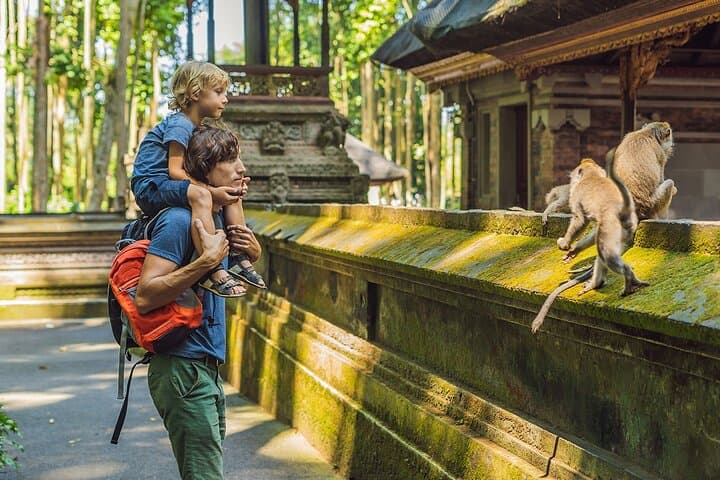
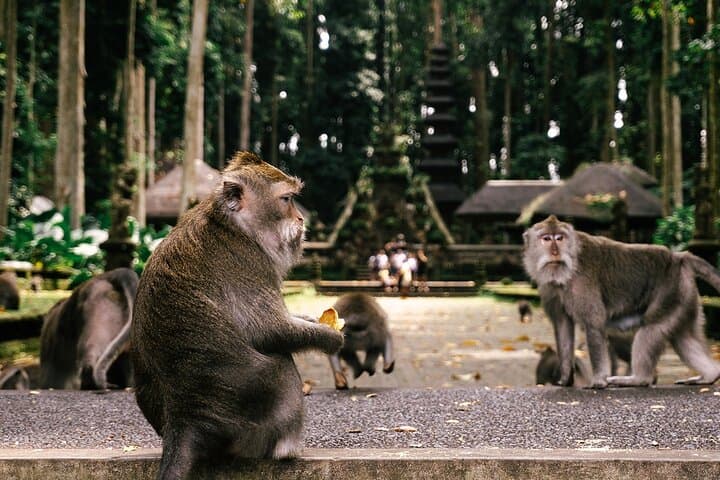
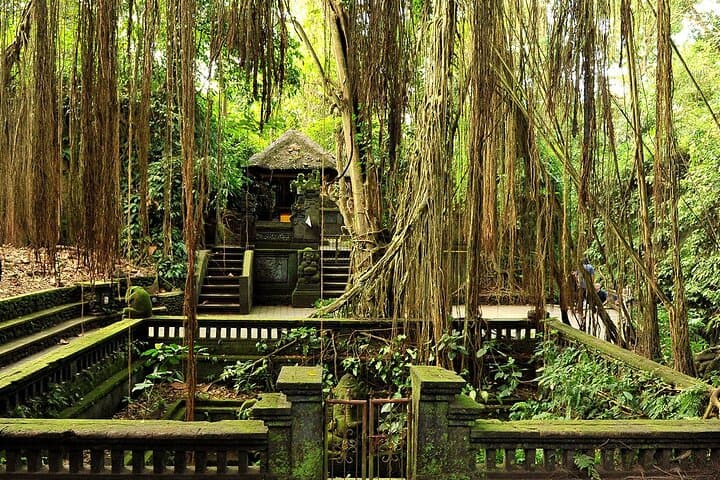
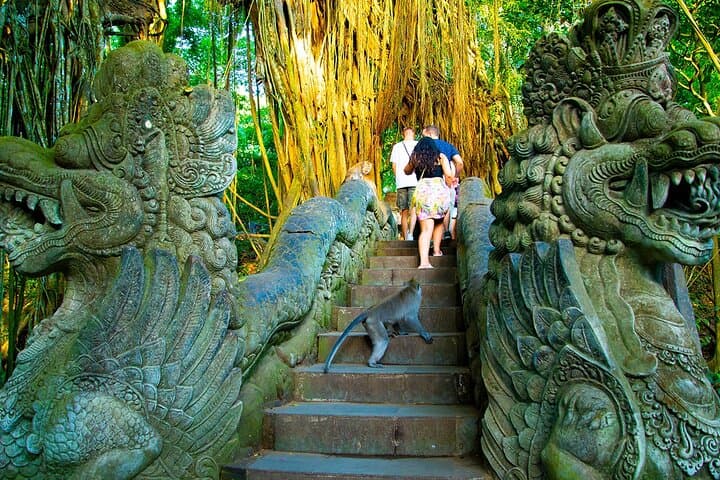
You step off the car into a corridor of shade and chirring wings — the Ubud Monkey Forest opens like a living room for long-tailed macaques, branches leaning in as if to offer a greeting. Monkeys inspect cameras and pockets; temple stones glint through filtered light. The day stretches ahead: rice terraces, a holy spring, a coffee plantation and a waterfall tucked into jungle.
You step off the car into a corridor of shade and chirring wings — the Ubud Monkey Forest opens like a living room for long-tailed macaques, branches leaning in as if to offer a greeting. Monkeys inspect cameras and pockets; temple stones glint through filtered light. The day stretches ahead: rice terraces, a holy spring, a coffee plantation and a waterfall tucked into jungle.
These stops trace Bali’s layered story. Tegalalang’s terraces show the subak irrigation system, a cooperative practice shaped by volcanic soils from nearby peaks. Tirta Empul is a working water temple with roots in the 10th century, where channels of spring water are used for ritual purification. Smallholder coffee farms preserve traditional processing techniques and provide a quiet vantage over secondary forest.
On the ground expect varied terrain: short paved village roads, stepped paths through rice paddies and compact temple courtyards. Walking segments are generally 15–45 minutes each with minimal elevation change, but some sections include stone steps and uneven surfaces. Plan for an 8-hour day with a private English-speaking guide handling logistics and parking.
Practical notes: wear closed-toe walking shoes that handle mud, a light rain layer in the wet season, and modest clothing for temple entry (shoulders and knees covered). Carry cash for small entrance fees and offerings, keep a firm hand on cameras around monkeys, and follow your guide during purification rituals to respect local customs. Early morning or late afternoon light is best for photos; mid-day is hot and busy. Hydrate, move at a steady pace, and let the guide lead interactions with wildlife and sacred sites.