THE ADVENTURE COLLECTIVE® · Independent discovery and booking for outdoor travel

Walk shaded paths where long-tailed macaques dart between mossed temple gates and local guides explain centuries of Balinese ritual and conservation. This 60–90 minute, all-inclusive tour is ideal for travelers wanting close wildlife viewing paired with cultural context.
Walk shaded paths where long-tailed macaques dart between mossed temple gates and local guides explain centuries of Balinese ritual and conservation. This 60–90 minute, all-inclusive tour is ideal for travelers wanting close wildlife viewing paired with cultural context.
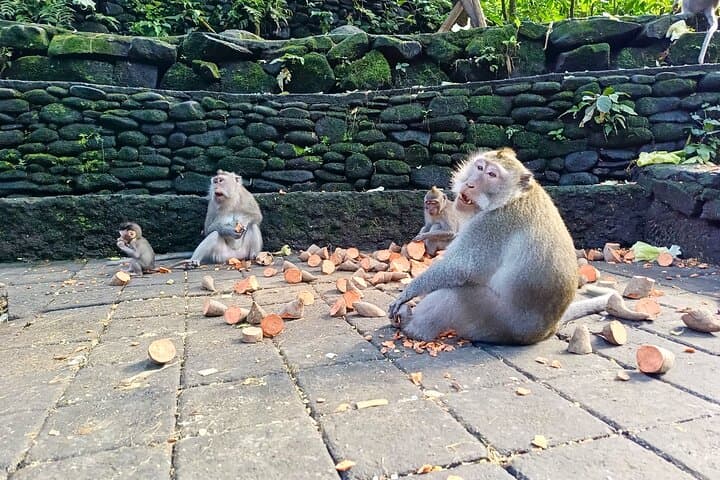
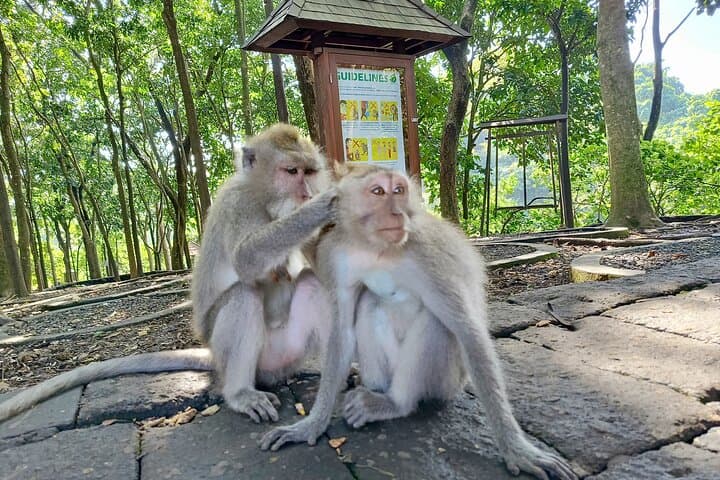
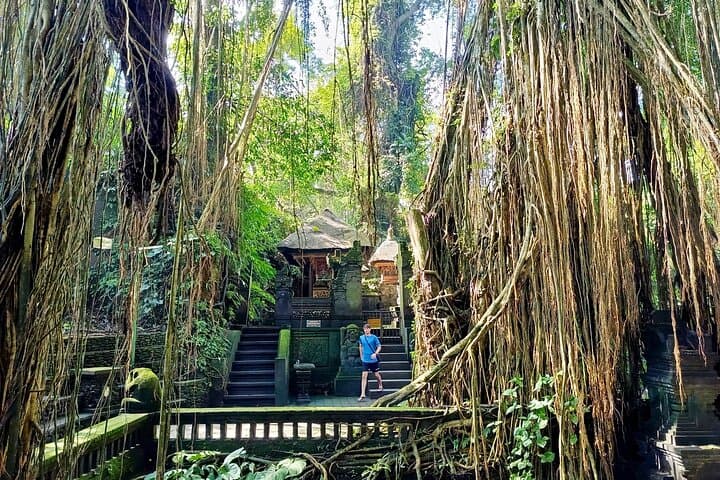
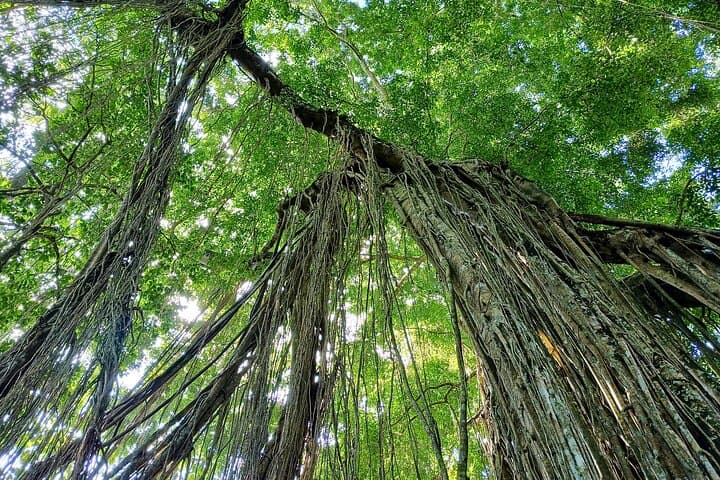
A humid morning in central Ubud pushes warm air through mature banyan roots and moss-dark stone. The Sacred Monkey Forest Sanctuary opens like a living museum: macaques weave through footpaths while ancient temple steps hold quiet rituals. A local guide frames the scene—pointing out carved guardians, telling which statues predate Dutch colonization, and explaining how the site functions as both wildlife habitat and active spiritual precinct.
Verified experiences and guided adventures in the surrounding area.
Operated by Ubud Daily Trips · Ubud, Bali
A humid morning in central Ubud pushes warm air through mature banyan roots and moss-dark stone. The Sacred Monkey Forest Sanctuary opens like a living museum: macaques weave through footpaths while ancient temple steps hold quiet rituals. A local guide frames the scene—pointing out carved guardians, telling which statues predate Dutch colonization, and explaining how the site functions as both wildlife habitat and active spiritual precinct.
Geologically the forest sits on volcanic soils formed from nearby Mount Agung eruptions, allowing dense, evergreen vegetation to thrive in a compact valley. Culturally the site is a Balinese Hindu center—three 14th–15th century temples anchor the sanctuary and still host ceremonies. Conservation here balances tourism with habitat management: staff monitor macaque health and limit feeding to reduce conflict.
The walk is compact and accessible—expect 60–90 minutes on mostly paved or packed-earth trails with intermittent stone steps and shaded clearings. Sensory details matter: the monkeys test pockets and curiosity, temple bells punctuate the foliage, and guides narrate both biology and ritual practice. Photography opportunities are frequent; respect to worshippers and the animals is mandatory.
Practical tips: arrive early to avoid peak crowds and heat, secure loose items, and follow guide instructions when macaques approach. Entrance fee and bottled water are typically included; pregnancy, serious back or heart conditions should opt out. This tour suits travelers seeking a short, interpretive nature-and-culture experience rather than strenuous hiking.
easy.
1–1.5 hours.
Suitable for most fitness levels; involves short walks on uneven stone steps and compacted earth
Long-tailed macaques are wild and often comfortable around people; follow the guide’s rules, avoid direct eye contact and sudden movements, and do not touch or feed them.
Yes—most guided tours include the sanctuary entrance fee and bottled water as part of the package.
Core temple areas have uneven stone surfaces and steps; accessibility is limited—contact the operator to discuss specific mobility needs.
Photography is generally allowed in outdoor areas, but be respectful during ceremonies and follow any signs or guide instructions about sacred spaces.
The forest complex centers on three temples dating to the 14th–15th centuries and has long been a site of Balinese Hindu worship integrated with local village life.
Sanctuary staff manage macaque health and limit feeding by visitors; staying on paths and following rules helps protect both wildlife and temple structures.
Ubud Daily Trips operates guided outdoor trips and adventures with an emphasis on safety, stewardship, and memorable experiences.
A humid morning in central Ubud pushes warm air through mature banyan roots and moss-dark stone. The Sacred Monkey Forest Sanctuary opens like a living museum: macaques weave through footpaths while ancient temple steps hold quiet rituals. A local guide frames the scene—pointing out carved guardians, telling which statues predate Dutch colonization, and explaining how the site functions as both wildlife habitat and active spiritual precinct.
A humid morning in central Ubud pushes warm air through mature banyan roots and moss-dark stone. The Sacred Monkey Forest Sanctuary opens like a living museum: macaques weave through footpaths while ancient temple steps hold quiet rituals. A local guide frames the scene—pointing out carved guardians, telling which statues predate Dutch colonization, and explaining how the site functions as both wildlife habitat and active spiritual precinct.
Geologically the forest sits on volcanic soils formed from nearby Mount Agung eruptions, allowing dense, evergreen vegetation to thrive in a compact valley. Culturally the site is a Balinese Hindu center—three 14th–15th century temples anchor the sanctuary and still host ceremonies. Conservation here balances tourism with habitat management: staff monitor macaque health and limit feeding to reduce conflict.
The walk is compact and accessible—expect 60–90 minutes on mostly paved or packed-earth trails with intermittent stone steps and shaded clearings. Sensory details matter: the monkeys test pockets and curiosity, temple bells punctuate the foliage, and guides narrate both biology and ritual practice. Photography opportunities are frequent; respect to worshippers and the animals is mandatory.
Practical tips: arrive early to avoid peak crowds and heat, secure loose items, and follow guide instructions when macaques approach. Entrance fee and bottled water are typically included; pregnancy, serious back or heart conditions should opt out. This tour suits travelers seeking a short, interpretive nature-and-culture experience rather than strenuous hiking.