THE ADVENTURE COLLECTIVE® · Independent discovery and booking for outdoor travel

Combine a purification ritual at Mengening’s holy spring with a short jungle walk to Ulu Petanu Waterfalls and a hands‑on visit to an Ubud coffee plantation. This private half‑day tour blends culture, nature, and local flavors with easy walking and private transport.
Combine a purification ritual at Mengening’s holy spring with a short jungle walk to Ulu Petanu Waterfalls and a hands‑on visit to an Ubud coffee plantation. This private half‑day tour blends culture, nature, and local flavors with easy walking and private transport.
You step out of an air‑conditioned vehicle into a pocket of Bali where the sound of water takes over — a steady, cool voice threading through palms and frangipani. The first stop is Mengening’s holy spring: stone basins and carved shrines feed naturally clear water that locals use for purification rites. The guide explains the ritual; you can feel the place asking you to slow down.
Verified experiences and guided adventures in the surrounding area.
Operated by Itrip Bali · Ubud, Bali
You step out of an air‑conditioned vehicle into a pocket of Bali where the sound of water takes over — a steady, cool voice threading through palms and frangipani. The first stop is Mengening’s holy spring: stone basins and carved shrines feed naturally clear water that locals use for purification rites. The guide explains the ritual; you can feel the place asking you to slow down.
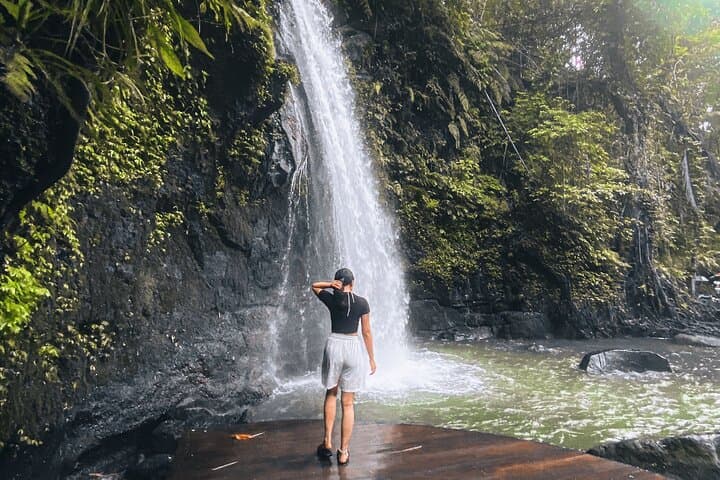
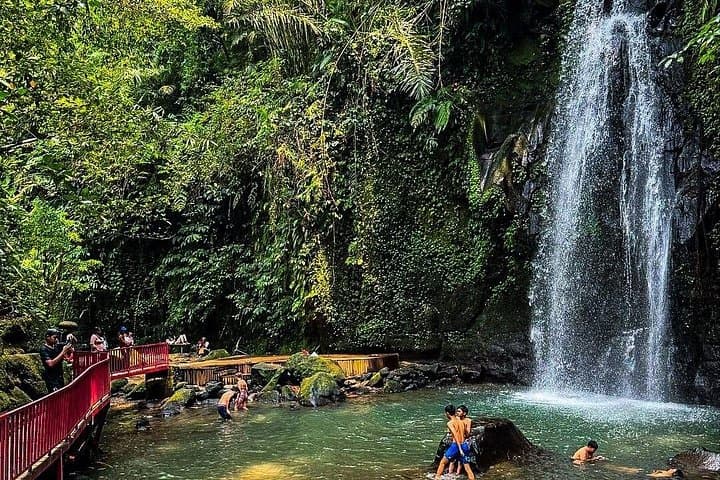
From sacred spring to cascade, the route descends into a jungle bowl toward Ulu Petanu Waterfalls. The path is short and well-worn, framed by banana and bamboo. The waterfall isn’t a technical climb; it’s a place to stand at the lip, let the mist dare your face, and watch water cut through volcanic rock that formed Bali’s layered terraces.
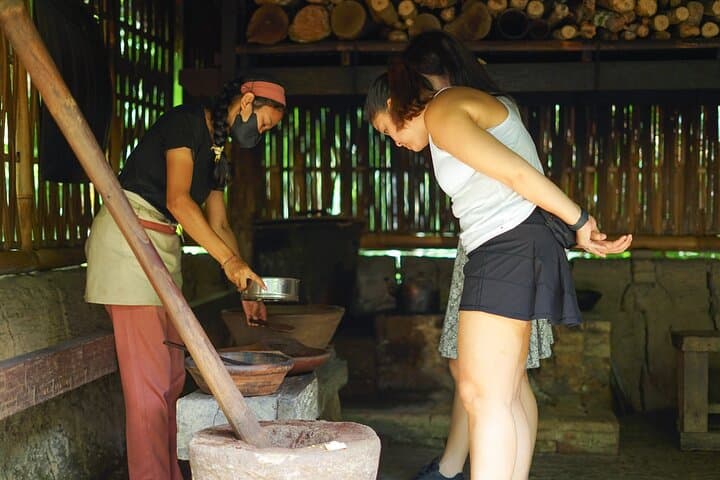
The final act is a visit to a working coffee plantation near Ubud where both traditional and modern processing methods are on display. You’ll smell roasted beans and spices — cinnamon, clove — and sample kopi luwak alternatives made on-site. The plantation scene ties together the island’s volcanic soils, irrigation practices, and the village economies that grew around them.
Practical details: expect 3–5 hours of touring with short walks at each stop, minimal elevation change but uneven stone and muddy sections after rain. Bring sturdy sandals or light hiking shoes, insect repellent, and a rain layer in the wet months. Private guiding and transport let you move at an easy pace, making this a good half‑day option for travelers wanting culture, nature, and a taste of Bali’s coffee culture in one outing.
easy.
3–5 hours.
Suitable for most fitness levels; involves short, easy walks and standing at viewpoints
The tour typically lasts 3–5 hours with short walks (10–20 minutes) at each site; it’s private so the guide can adjust the pace to your comfort.
No — participation is optional; visitors can observe respectfully while locals perform the rites or join under guidance if they wish.
Walking is generally short and low‑grade; some steps and uneven footing are present near the falls and temple, but no technical climbing is required.
Yes — most plantations offer a range of beverages and can adjust samples or provide alternatives if you note restrictions when booking.
The Mengening spring and nearby temples have long been sites for Balinese purification rituals linked to local water worship traditions; coffee plantations grew on volcanic soils introduced by colonial and post‑colonial agricultural shifts.
Stick to marked paths and avoid feeding wildlife; many plantations practice shade‑grown methods that support biodiversity and protect soil on steep slopes.
Itrip Bali operates guided outdoor trips and adventures with an emphasis on safety, stewardship, and memorable experiences.
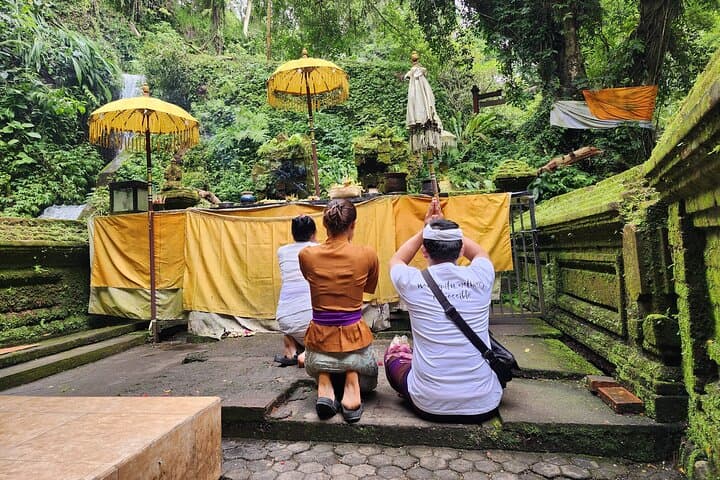
You step out of an air‑conditioned vehicle into a pocket of Bali where the sound of water takes over — a steady, cool voice threading through palms and frangipani. The first stop is Mengening’s holy spring: stone basins and carved shrines feed naturally clear water that locals use for purification rites. The guide explains the ritual; you can feel the place asking you to slow down.
You step out of an air‑conditioned vehicle into a pocket of Bali where the sound of water takes over — a steady, cool voice threading through palms and frangipani. The first stop is Mengening’s holy spring: stone basins and carved shrines feed naturally clear water that locals use for purification rites. The guide explains the ritual; you can feel the place asking you to slow down.
From sacred spring to cascade, the route descends into a jungle bowl toward Ulu Petanu Waterfalls. The path is short and well-worn, framed by banana and bamboo. The waterfall isn’t a technical climb; it’s a place to stand at the lip, let the mist dare your face, and watch water cut through volcanic rock that formed Bali’s layered terraces.
The final act is a visit to a working coffee plantation near Ubud where both traditional and modern processing methods are on display. You’ll smell roasted beans and spices — cinnamon, clove — and sample kopi luwak alternatives made on-site. The plantation scene ties together the island’s volcanic soils, irrigation practices, and the village economies that grew around them.
Practical details: expect 3–5 hours of touring with short walks at each stop, minimal elevation change but uneven stone and muddy sections after rain. Bring sturdy sandals or light hiking shoes, insect repellent, and a rain layer in the wet months. Private guiding and transport let you move at an easy pace, making this a good half‑day option for travelers wanting culture, nature, and a taste of Bali’s coffee culture in one outing.