THE ADVENTURE COLLECTIVE® · Independent discovery and booking for outdoor travel

Spend a day combining Celuk silver workshops with Ubud’s natural and cultural highlights—SUNSRI’s factory tour, the Monkey Forest, Tegalalang rice terraces, Tegenungan Waterfall and Batuan Temple. Practical tips and local context to help you plan an immersive, manageable day in Bali.
Spend a day combining Celuk silver workshops with Ubud’s natural and cultural highlights—SUNSRI’s factory tour, the Monkey Forest, Tegalalang rice terraces, Tegenungan Waterfall and Batuan Temple. Practical tips and local context to help you plan an immersive, manageable day in Bali.
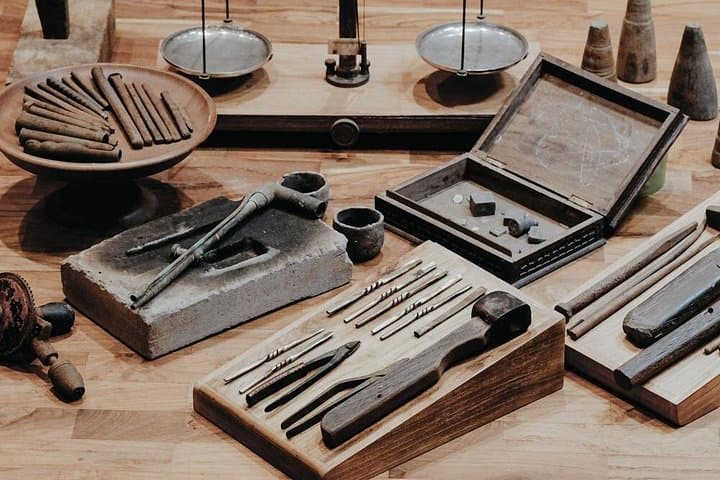
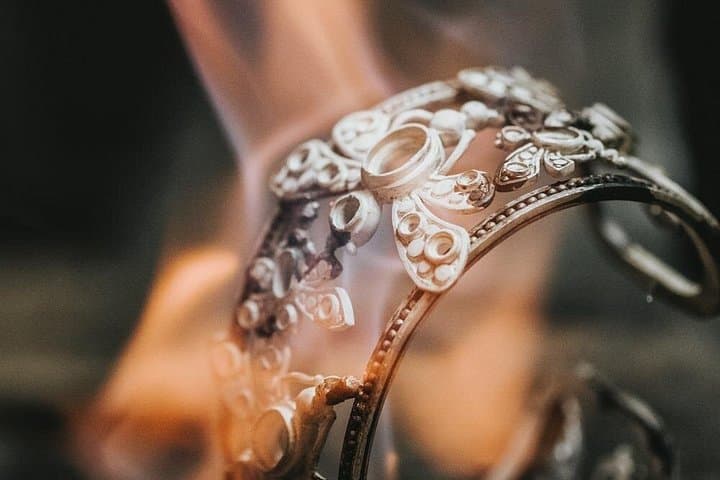
You step from an air-conditioned van into Bali’s warm air and the metallic scent of a silversmith’s shop—hammers patter like a steady rain in Celuk’s SUNSRI workshop while the hills around Ubud hold a quieter rhythm.
Verified experiences and guided adventures in the surrounding area.
Operated by Bali Tour Destination · Ubud, Bali
You step from an air-conditioned van into Bali’s warm air and the metallic scent of a silversmith’s shop—hammers patter like a steady rain in Celuk’s SUNSRI workshop while the hills around Ubud hold a quieter rhythm.
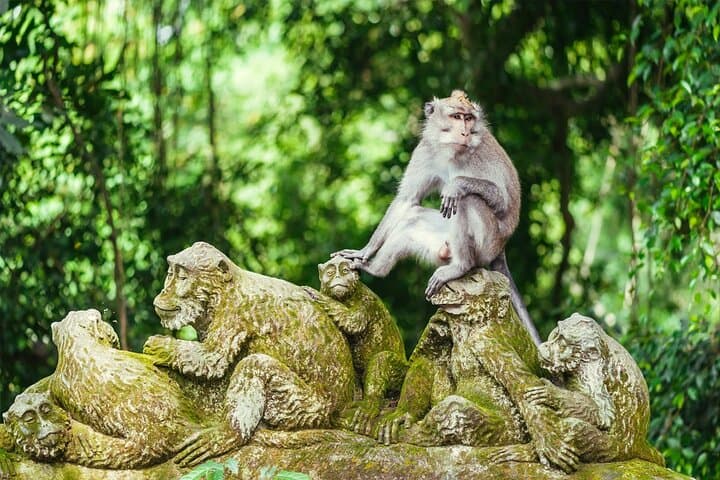
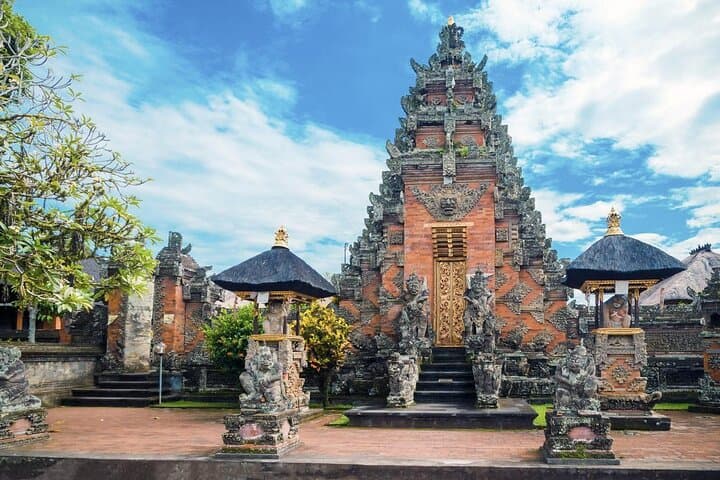
The day pairs craft and countryside: Celuk’s silversmithing dates to the mid-20th century when artisans formalized techniques brought from Java and local metalwork evolved into a robust export industry. The nearby Monkey Forest sits on ancient temple grounds; its limestone terraces and buried riverbeds have shaped the valley’s microclimates. Tegalalang’s carved rice steps reveal Bali’s subak irrigation system, a living agricultural practice managed by communities, while Tegenungan’s basalt outcrops and plunge pools show volcanic foothills meeting tropical runoff. Batuan Temple offers a view into Balinese Hindu ritual architecture—stone reliefs, tiered roofs, and offerings anchored in village life.
Practical notes: expect light walking at each stop—stepped terraces and temple courtyards, sometimes slippery after rain. Bring modest clothing for temples (sarong or shoulders covered), small cash for entrance fees or offerings, and a daypack with water; bottled water is provided but refillable bottles are better for waste reduction. Keep cameras secure around macaques; they are bold and can snatch loose items. The itinerary runs 8–10 hours depending on timings and traffic—plan for an early start to avoid midafternoon heat and late traffic back toward southern Bali.
easy.
8–10 hours.
Suitable for travelers in average fitness; involves multiple short walks, stairs, and standing at workshops.
Ticketing varies by stop; bottled water and transportation are included, but some site entrance fees and optional donations are typically paid on location.
Yes—infants can join (must sit on laps); the tour is generally family-friendly but watch children around monkeys and near water.
Yes—SUNSRI operates a gallery and factory outlet; you can observe production, learn techniques, and purchase pieces directly.
No—walks are short but involve steps and uneven surfaces; choose sensible footwear and avoid if you have serious spinal or cardiovascular conditions.
Celuk village became a center for metalwork in the 20th century; many families passed silversmithing techniques down through generations, blending traditional motifs with modern production.
Respect on-site rules: don’t feed monkeys, stay on marked paths at rice terraces to limit erosion, and bring reusable bottles to reduce plastic waste.
Bali Tour Destination operates guided outdoor trips and adventures with an emphasis on safety, stewardship, and memorable experiences.
You step from an air-conditioned van into Bali’s warm air and the metallic scent of a silversmith’s shop—hammers patter like a steady rain in Celuk’s SUNSRI workshop while the hills around Ubud hold a quieter rhythm.
You step from an air-conditioned van into Bali’s warm air and the metallic scent of a silversmith’s shop—hammers patter like a steady rain in Celuk’s SUNSRI workshop while the hills around Ubud hold a quieter rhythm.
The day pairs craft and countryside: Celuk’s silversmithing dates to the mid-20th century when artisans formalized techniques brought from Java and local metalwork evolved into a robust export industry. The nearby Monkey Forest sits on ancient temple grounds; its limestone terraces and buried riverbeds have shaped the valley’s microclimates. Tegalalang’s carved rice steps reveal Bali’s subak irrigation system, a living agricultural practice managed by communities, while Tegenungan’s basalt outcrops and plunge pools show volcanic foothills meeting tropical runoff. Batuan Temple offers a view into Balinese Hindu ritual architecture—stone reliefs, tiered roofs, and offerings anchored in village life.
Practical notes: expect light walking at each stop—stepped terraces and temple courtyards, sometimes slippery after rain. Bring modest clothing for temples (sarong or shoulders covered), small cash for entrance fees or offerings, and a daypack with water; bottled water is provided but refillable bottles are better for waste reduction. Keep cameras secure around macaques; they are bold and can snatch loose items. The itinerary runs 8–10 hours depending on timings and traffic—plan for an early start to avoid midafternoon heat and late traffic back toward southern Bali.