THE ADVENTURE COLLECTIVE® · Independent discovery and booking for outdoor travel

A single day unpacks Ubud’s most striking scenes: macaque-filled temple forest, the sculpted rice terraces of Tegalalang, volcanic views from Kintamani and the dramatic Tukad Cepung cave-falls. This practical guide outlines what to expect and how to prepare.
A single day unpacks Ubud’s most striking scenes: macaque-filled temple forest, the sculpted rice terraces of Tegalalang, volcanic views from Kintamani and the dramatic Tukad Cepung cave-falls. This practical guide outlines what to expect and how to prepare.
Morning light in Ubud falls through tall banyan and frangipani, dust motes turning temple stones golden as a private car threads narrow village lanes. The day stretches out: a forest of macaques, layered rice terraces, a highland caldera view and a waterfall hidden in a sunlit cave—each stop a distinct mood of central Bali.
Verified experiences and guided adventures in the surrounding area.
Operated by Bali ATV Ride Quad Adventure Tour · Ubud, Bali
Morning light in Ubud falls through tall banyan and frangipani, dust motes turning temple stones golden as a private car threads narrow village lanes. The day stretches out: a forest of macaques, layered rice terraces, a highland caldera view and a waterfall hidden in a sunlit cave—each stop a distinct mood of central Bali.
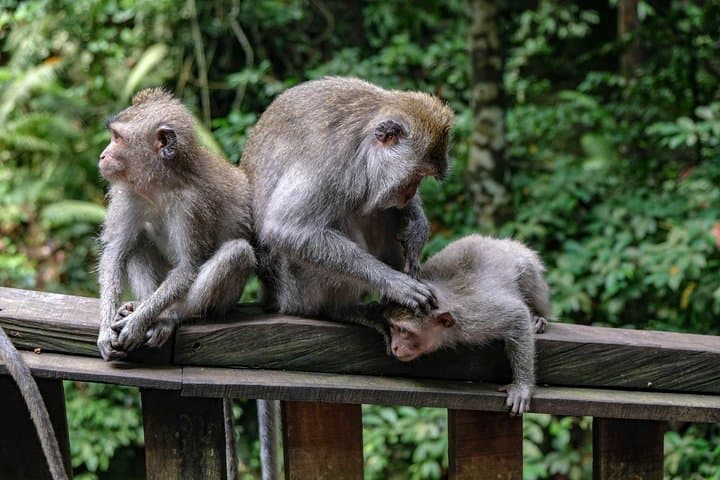
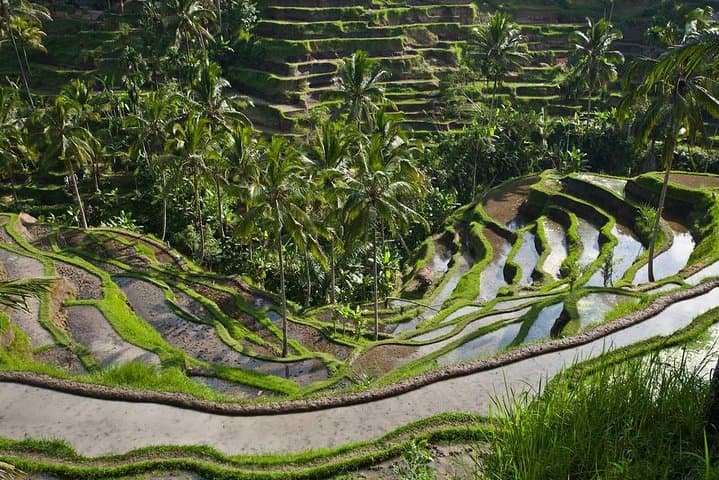
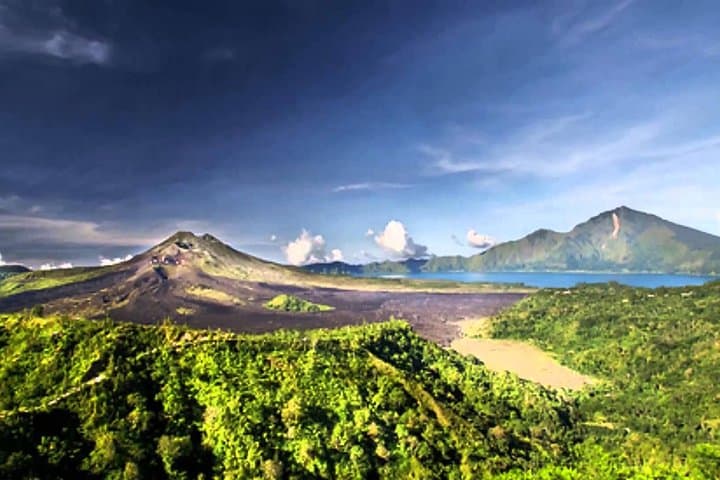
The Sacred Monkey Forest is both living sanctuary and religious complex, its mossy shrines and temple courtyards tracing centuries of Balinese Hindu practice. Nearby, the Tegalalang rice terraces reveal the island’s subak irrigation heritage—stone channels and cooperative farming methods that shaped the landscape long before tourism arrived. From Kintamani, the profile of Mount Batur and Lake Batur illustrate Bali’s volcanic geology: crater rim, lava flows and a lake that fills an ancient caldera.
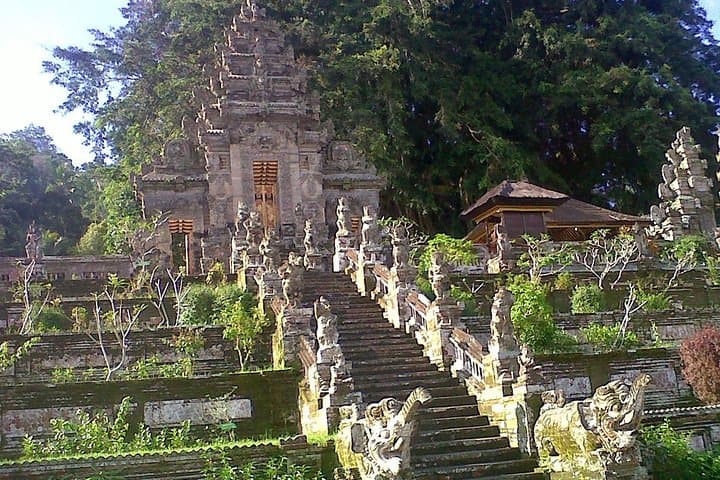
Later, Kehen Temple in Bangli offers quieter temple architecture and sculpted stone gates framed by areca palms. Tukad Cepung Waterfall closes the loop in dramatic fashion—sunbeams cut into a narrow canyon where water drops into a chamber-like pool, the light changing with every step down.
Practical notes: expect 7–8 hours with multiple short walks on uneven paths, stair descents into the waterfall gorge and basic temple steps. Bring a light rain layer in wet months, sturdy sandals or trail shoes, water and small cash for entrances and offerings. Follow local guidance around monkeys—don’t feed them and secure belongings. Timing your visit early reduces crowds and gives stronger light in the canyon—ideal for photos and quieter temples.
moderate.
7–8 hours.
Suitable for average fitness: involves standing, walking on uneven ground and stair descents; not recommended for those with serious back or heart issues.
The tour runs about 7–8 hours and typically includes private transport, bottled water, hotel pickup/drop-off and visits to Monkey Forest, Tegalalang, Kintamani (lunch viewpoint), Kehen Temple and Tukad Cepung.
Yes for most; the tour is rated easy-to-moderate physically but Tukad Cepung requires stair descent and uneven footing—consider mobility limits before booking.
Some operators include entrance fees; confirm with the provider. It’s wise to carry small local currency for incidental fees and offerings.
Swimming is possible in shallow areas but conditions vary; follow local guidance, avoid deep or fast-flowing sections and respect cultural restrictions within temple areas.
The region’s subak irrigation system dates back centuries and is a communal method of managing water and rice cultivation central to Balinese culture.
Stick to marked paths, avoid feeding wildlife and dispose of trash properly—these sites are sensitive to erosion and litter that affect both temples and waterways.
Bali ATV Ride Quad Adventure Tour operates guided outdoor trips and adventures with an emphasis on safety, stewardship, and memorable experiences.
Morning light in Ubud falls through tall banyan and frangipani, dust motes turning temple stones golden as a private car threads narrow village lanes. The day stretches out: a forest of macaques, layered rice terraces, a highland caldera view and a waterfall hidden in a sunlit cave—each stop a distinct mood of central Bali.
Morning light in Ubud falls through tall banyan and frangipani, dust motes turning temple stones golden as a private car threads narrow village lanes. The day stretches out: a forest of macaques, layered rice terraces, a highland caldera view and a waterfall hidden in a sunlit cave—each stop a distinct mood of central Bali.
The Sacred Monkey Forest is both living sanctuary and religious complex, its mossy shrines and temple courtyards tracing centuries of Balinese Hindu practice. Nearby, the Tegalalang rice terraces reveal the island’s subak irrigation heritage—stone channels and cooperative farming methods that shaped the landscape long before tourism arrived. From Kintamani, the profile of Mount Batur and Lake Batur illustrate Bali’s volcanic geology: crater rim, lava flows and a lake that fills an ancient caldera.
Later, Kehen Temple in Bangli offers quieter temple architecture and sculpted stone gates framed by areca palms. Tukad Cepung Waterfall closes the loop in dramatic fashion—sunbeams cut into a narrow canyon where water drops into a chamber-like pool, the light changing with every step down.
Practical notes: expect 7–8 hours with multiple short walks on uneven paths, stair descents into the waterfall gorge and basic temple steps. Bring a light rain layer in wet months, sturdy sandals or trail shoes, water and small cash for entrances and offerings. Follow local guidance around monkeys—don’t feed them and secure belongings. Timing your visit early reduces crowds and gives stronger light in the canyon—ideal for photos and quieter temples.