THE ADVENTURE COLLECTIVE® · Independent discovery and booking for outdoor travel

Spend a day exploring Ubud’s rice terraces, temples and the Sacred Monkey Forest with a private driver-guide. This practical guide explains what to expect, how to dress, and the best ways to move between cultural and natural highlights.
Spend a day exploring Ubud’s rice terraces, temples and the Sacred Monkey Forest with a private driver-guide. This practical guide explains what to expect, how to dress, and the best ways to move between cultural and natural highlights.
Morning light cuts across terraced rice paddies as a private car winds from Ubud’s village lanes toward Tegalalang. The air carries the scent of wet earth and offerings; monkeys chatter in the canopy and a sacred spring murmurs under temple stone.
Verified experiences and guided adventures in the surrounding area.
Operated by Your Bali Mate · Ubud, Bali
Morning light cuts across terraced rice paddies as a private car winds from Ubud’s village lanes toward Tegalalang. The air carries the scent of wet earth and offerings; monkeys chatter in the canopy and a sacred spring murmurs under temple stone.
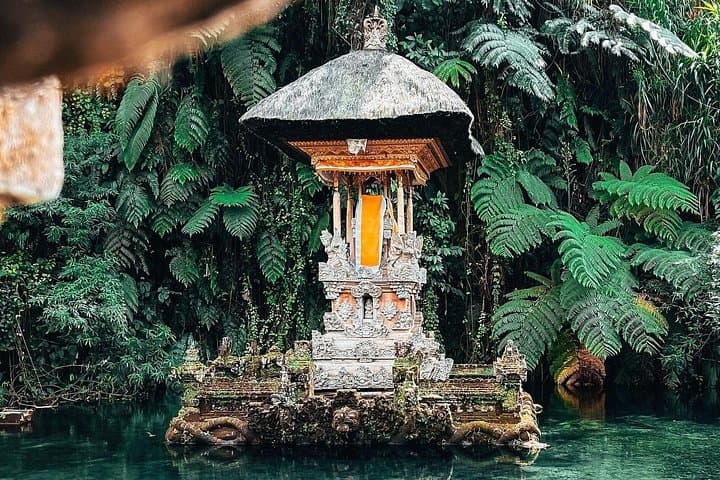
Ubud grew as a royal and artistic center in the 19th and 20th centuries, when Balinese painters, dancers and carvers gathered around the palace and local markets. The landscape itself is volcanic—fertile, stepped rice fields carved into volcanic slopes and fed by ancient subak irrigation systems that reflect centuries of community water management. Temples like Tirta Empul and small family shrines punctuate fields and roadside, where daily offerings still mark the rhythm of village life.
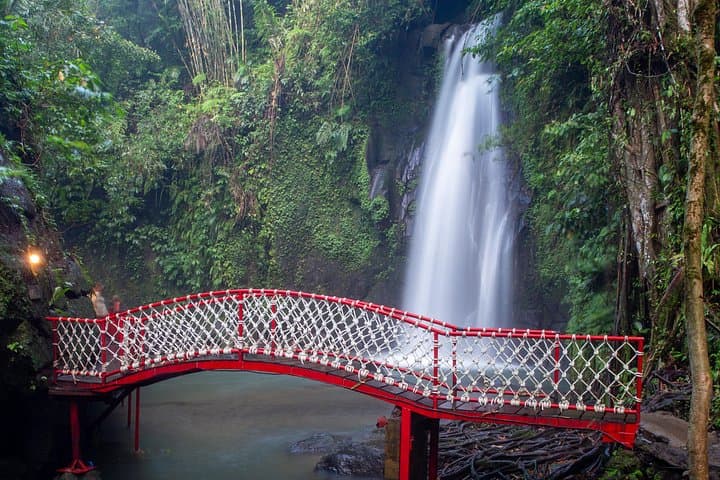
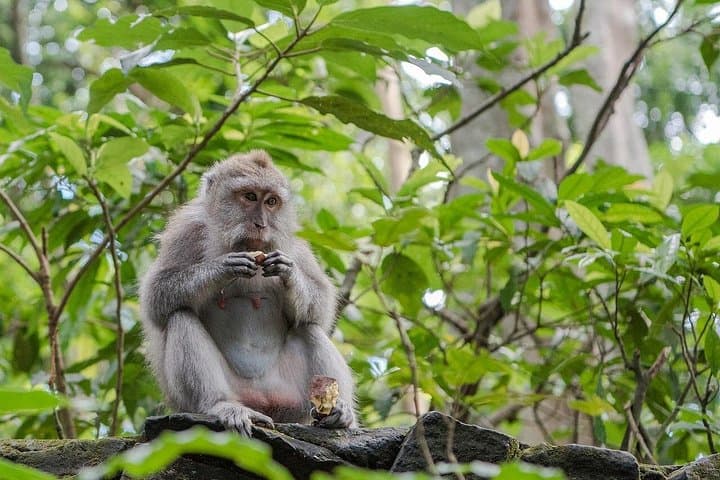
On a typical private day tour visitors can expect a mix of short walks, photo stops and cultural exchanges: a guided stroll through the Sacred Monkey Forest to watch long-tailed macaques, panoramic views at Tegalalang, a temple visit with a brief explanation of Balinese ritual etiquette, and an optional local lunch or waterfall detour. Nature has a presence here—rivers push through gorges and rice paddies glint like mirrors at midday.
Practical guidance: wear modest shoulders/legs coverage for temple entry (sarongs are often available), carry cash for small entrance fees and offerings, and secure loose items around monkeys. Start early to avoid midday heat and allow time for traffic between sites—expect a full 8–9 hour day with multiple short stops rather than long hikes.
easy.
8–9 hours.
Suitable for most fitness levels; involves short walks on uneven ground and steps at temple sites and viewpoints.
Some booking options include entrance tickets; check your chosen option—many sites also accept on-site payment in cash or card.
Yes, the tour includes hotel pick-up and drop-off within Ubud and nearby areas—confirm your pickup point when booking.
Yes, but children should be supervised and dress code observed; infants must sit on laps in vehicles and be kept close during crowded sections.
Monkeys in the Sacred Monkey Forest are habituated to humans; they may approach but are not aggressive unless provoked—avoid feeding them and secure belongings.
Ubud developed into a cultural center under royal patronage and 20th-century artists; its subak irrigation system reflects centuries of cooperative agricultural practice.
Tourism pressures threaten sacred sites and fragile terraces—avoid feeding wildlife, follow temple rules, and choose local guides who support community-based conservation.
Your Bali Mate operates guided outdoor trips and adventures with an emphasis on safety, stewardship, and memorable experiences.
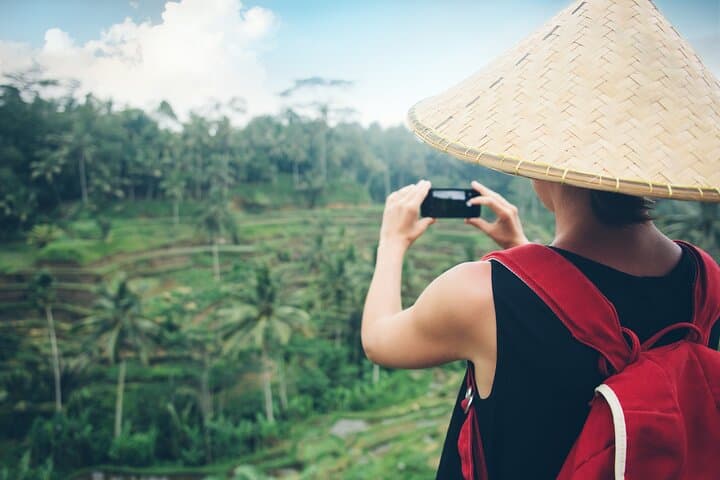
Morning light cuts across terraced rice paddies as a private car winds from Ubud’s village lanes toward Tegalalang. The air carries the scent of wet earth and offerings; monkeys chatter in the canopy and a sacred spring murmurs under temple stone.
Morning light cuts across terraced rice paddies as a private car winds from Ubud’s village lanes toward Tegalalang. The air carries the scent of wet earth and offerings; monkeys chatter in the canopy and a sacred spring murmurs under temple stone.
Ubud grew as a royal and artistic center in the 19th and 20th centuries, when Balinese painters, dancers and carvers gathered around the palace and local markets. The landscape itself is volcanic—fertile, stepped rice fields carved into volcanic slopes and fed by ancient subak irrigation systems that reflect centuries of community water management. Temples like Tirta Empul and small family shrines punctuate fields and roadside, where daily offerings still mark the rhythm of village life.
On a typical private day tour visitors can expect a mix of short walks, photo stops and cultural exchanges: a guided stroll through the Sacred Monkey Forest to watch long-tailed macaques, panoramic views at Tegalalang, a temple visit with a brief explanation of Balinese ritual etiquette, and an optional local lunch or waterfall detour. Nature has a presence here—rivers push through gorges and rice paddies glint like mirrors at midday.
Practical guidance: wear modest shoulders/legs coverage for temple entry (sarongs are often available), carry cash for small entrance fees and offerings, and secure loose items around monkeys. Start early to avoid midday heat and allow time for traffic between sites—expect a full 8–9 hour day with multiple short stops rather than long hikes.