THE ADVENTURE COLLECTIVE® · Independent discovery and booking for outdoor travel

Explore Ubud’s Sacred Monkey Forest, haggle through the vibrant Art Market and watch Petulu’s nightly white heron return on this paced half-day tour. Expect shaded walks, close wildlife encounters, and a sunset ritual over rice paddies.
Explore Ubud’s Sacred Monkey Forest, haggle through the vibrant Art Market and watch Petulu’s nightly white heron return on this paced half-day tour. Expect shaded walks, close wildlife encounters, and a sunset ritual over rice paddies.
Stepping into Ubud’s Sacred Monkey Forest, the canopy tightens and the air cools — monkeys slip through branches like local characters reclaiming the streets. Visitors follow shaded paths past mossed statues and three small temples, where leaf litter and bird calls set a measured pace. Later, the town unfolds into stalls of hand-carved wood and batik in the Art Market, colour and craft meeting practical bargaining.
Verified experiences and guided adventures in the surrounding area.
Operated by Hire Bali Driver · Ubud, Bali
Stepping into Ubud’s Sacred Monkey Forest, the canopy tightens and the air cools — monkeys slip through branches like local characters reclaiming the streets. Visitors follow shaded paths past mossed statues and three small temples, where leaf litter and bird calls set a measured pace. Later, the town unfolds into stalls of hand-carved wood and batik in the Art Market, colour and craft meeting practical bargaining.
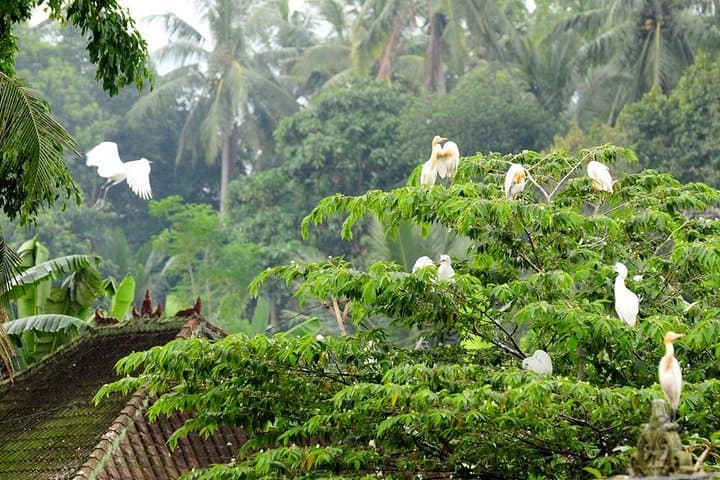
A short drive brings the group to Petulu village, where every evening the sky fills with returning white herons. The birds wheel and line up like clockwork, settling into trees above rice paddies; locals will tell you the flight is a nightly ceremony as dependable as the tide. Ubud itself sits on the island’s volcanic plains; the soil and sculpted terraces tell a geological story of lava, river sediment, and human farming shaped over centuries. Culturally, the area blends Balinese Hindu ritual with artisanship — temple offerings and gallery walls appear in the same narrow lanes.
Practicalities matter: expect light walking on uneven stone and dirt paths, six hours total including transport, and a small entrance fee for the monkey sanctuary. Keep valuables zipped and cameras tethered — the monkeys are curious and fast. For the heron viewing, arrive just before dusk for the best light and to secure a seat near the trees. Bring sun protection, mosquito repellent, and a reusable bottle; local stops provide cold drinks and a chance to taste a Bintang while the birds return.
easy.
6 hours.
Suitable for most fitness levels; requires light walking on uneven surfaces and short periods standing.
Monkeys in the sanctuary are habituated to people but are wild — avoid feeding them unless staff instructs, keep food and loose items secured, and follow the guide’s rules.
Yes — entrance fees to the Sacred Monkey Forest Sanctuary are included in this tour’s admission.
Yes — hotel pickup and drop-off by air-conditioned minivan are included for central Ubud locations.
The heron flight is seasonal and regular, typically around dusk daily, but exact timing can vary with weather and light conditions; arriving early increases your chances of a good view.
Ubud developed as an artisan and spiritual center in the early 20th century; its temples and markets reflect a long tradition of Balinese Hindu practice and craftsmanship.
The Monkey Forest is managed as a sanctuary with rules to minimize human-wildlife conflict; visitors are asked to avoid feeding wild animals and to use marked paths to protect fragile temple sites.
Hire Bali Driver operates guided outdoor trips and adventures with an emphasis on safety, stewardship, and memorable experiences.
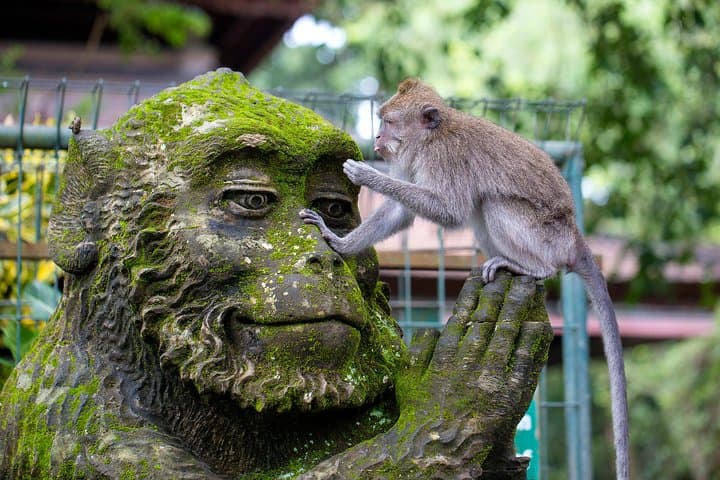
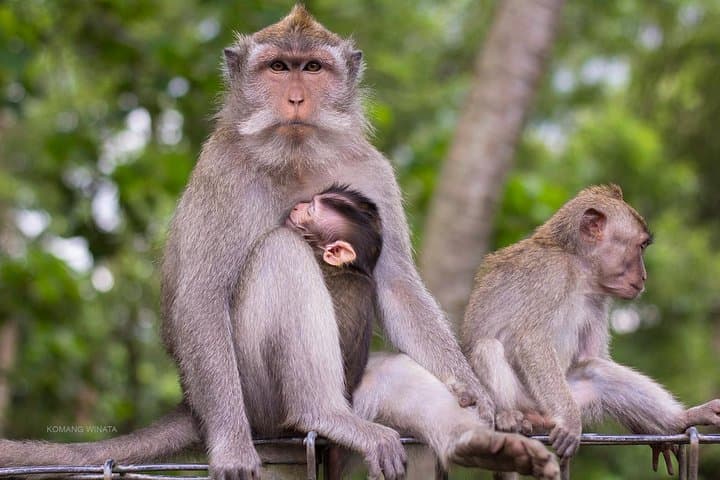
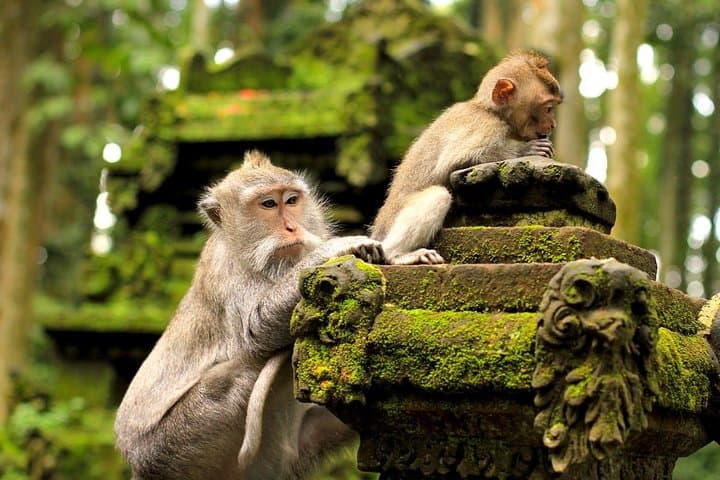
Stepping into Ubud’s Sacred Monkey Forest, the canopy tightens and the air cools — monkeys slip through branches like local characters reclaiming the streets. Visitors follow shaded paths past mossed statues and three small temples, where leaf litter and bird calls set a measured pace. Later, the town unfolds into stalls of hand-carved wood and batik in the Art Market, colour and craft meeting practical bargaining.
Stepping into Ubud’s Sacred Monkey Forest, the canopy tightens and the air cools — monkeys slip through branches like local characters reclaiming the streets. Visitors follow shaded paths past mossed statues and three small temples, where leaf litter and bird calls set a measured pace. Later, the town unfolds into stalls of hand-carved wood and batik in the Art Market, colour and craft meeting practical bargaining.
A short drive brings the group to Petulu village, where every evening the sky fills with returning white herons. The birds wheel and line up like clockwork, settling into trees above rice paddies; locals will tell you the flight is a nightly ceremony as dependable as the tide. Ubud itself sits on the island’s volcanic plains; the soil and sculpted terraces tell a geological story of lava, river sediment, and human farming shaped over centuries. Culturally, the area blends Balinese Hindu ritual with artisanship — temple offerings and gallery walls appear in the same narrow lanes.
Practicalities matter: expect light walking on uneven stone and dirt paths, six hours total including transport, and a small entrance fee for the monkey sanctuary. Keep valuables zipped and cameras tethered — the monkeys are curious and fast. For the heron viewing, arrive just before dusk for the best light and to secure a seat near the trees. Bring sun protection, mosquito repellent, and a reusable bottle; local stops provide cold drinks and a chance to taste a Bintang while the birds return.