THE ADVENTURE COLLECTIVE® · Independent discovery and booking for outdoor travel

Spend a day moving from thunderous cascades to sculpted rice terraces and temple-shaded monkey groves on this private Ubud circuit. Practical notes on timing, what to bring, and how to navigate macaques help you experience the highlights with less hassle.
Spend a day moving from thunderous cascades to sculpted rice terraces and temple-shaded monkey groves on this private Ubud circuit. Practical notes on timing, what to bring, and how to navigate macaques help you experience the highlights with less hassle.
You arrive before dawn to a narrow Balinese road where coconut palms lean like watchful hosts and an ocean of rice terraces spreads away from the town. The driver eases off the main highway and the sounds of scooters and temple bells fall into the background; the day unfolds into a sequence of places that invite close-up eyes and steady feet.
Verified experiences and guided adventures in the surrounding area.
Operated by Telaga Waja Rafting Bali · Ubud, Bali
You arrive before dawn to a narrow Balinese road where coconut palms lean like watchful hosts and an ocean of rice terraces spreads away from the town. The driver eases off the main highway and the sounds of scooters and temple bells fall into the background; the day unfolds into a sequence of places that invite close-up eyes and steady feet.
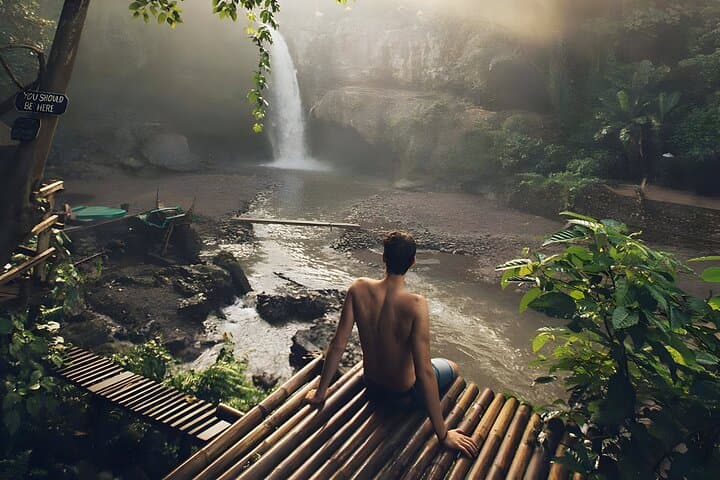
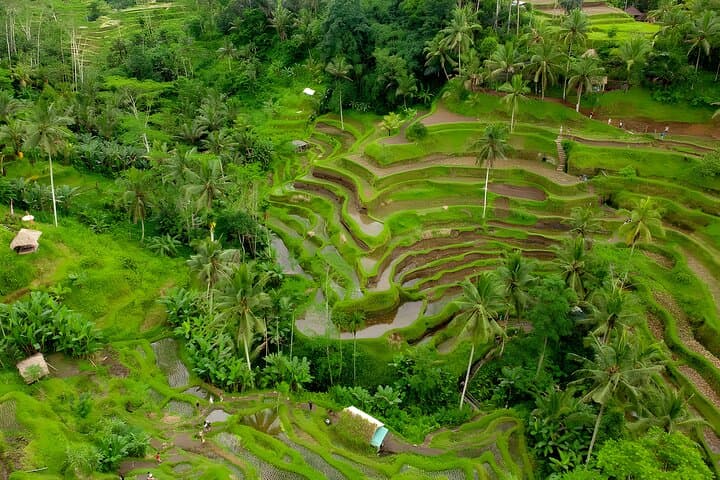
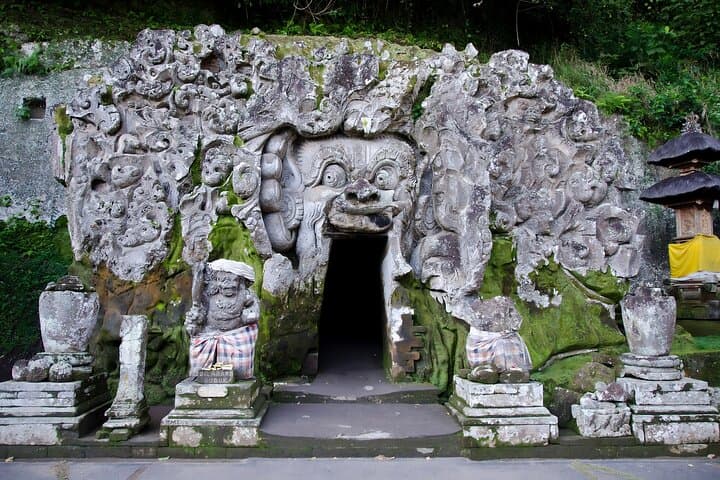
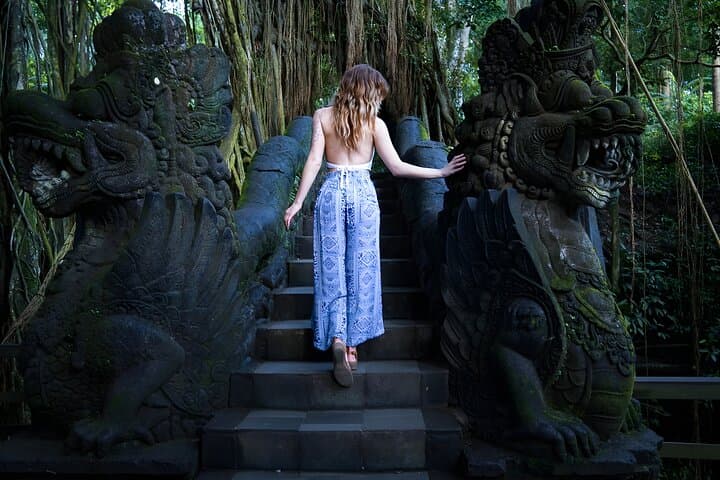
Begin with Tegenungan Waterfall, where thunderous water carves a green amphitheater and photographers hunt for angles among mist and basalt outcrops. Tegalalang’s stepped rice terraces follow—engineered slopes fed by the subak irrigation system that dates back centuries and still channels water with communal precision. Goa Gajah offers stone-carved reliefs and bathing pools that point to Bali’s Hindu-Buddhist archaeology, while the Sacred Monkey Forest holds its own ecology: long-tailed macaques moving through temple roots and mossed statues.
Culturally the route threads Ubud’s role as a center for arts and royal history; Ubud Palace and the market put wood carving, textiles, and painterly traditions within arm’s reach. Geologically this is volcanic soil—fertile, terraced, and prone to quick runoff in downpours, which can turn paths slippery.
Practical guidance: expect a 9–10 hour private tour with hotel pickup, short drives between stops, and modest walking at each site. Bring cash for small entrance fees and local purchases, sunscreen, insect repellent, and a light rain layer in wet months. Be cautious around macaques—secure belongings and avoid sudden movements. Time visits early or late in the day to dodge mid-day crowds and capture the best light.
easy.
9–10 hours.
Suitable for travelers in average fitness able to walk short sections and ascend/descend steps; mostly low-impact.
Yes—this private tour includes hotel or villa pickup and drop-off in the Ubud/Seminyak area as arranged at booking.
The tour lists ‘all entrance tickets’ included; lunch may be provided depending on the option selected—confirm at booking.
Long-tailed macaques are wild and can be aggressive for food; avoid feeding them, keep items secure, and follow guide instructions.
Yes—this private tour often allows flexible timing and stop adjustments; request changes when booking or at pickup.
Ubud developed as a royal and artistic center in the 19th century; sites like Goa Gajah reflect earlier Hindu-Buddhist ritual architecture and relief carving.
The Subak irrigation system and community-managed Monkey Forest protect cultural landscapes and wildlife habitats; visitors should respect local rules to minimize impact.
Telaga Waja Rafting Bali operates guided outdoor trips and adventures with an emphasis on safety, stewardship, and memorable experiences.
You arrive before dawn to a narrow Balinese road where coconut palms lean like watchful hosts and an ocean of rice terraces spreads away from the town. The driver eases off the main highway and the sounds of scooters and temple bells fall into the background; the day unfolds into a sequence of places that invite close-up eyes and steady feet.
You arrive before dawn to a narrow Balinese road where coconut palms lean like watchful hosts and an ocean of rice terraces spreads away from the town. The driver eases off the main highway and the sounds of scooters and temple bells fall into the background; the day unfolds into a sequence of places that invite close-up eyes and steady feet.
Begin with Tegenungan Waterfall, where thunderous water carves a green amphitheater and photographers hunt for angles among mist and basalt outcrops. Tegalalang’s stepped rice terraces follow—engineered slopes fed by the subak irrigation system that dates back centuries and still channels water with communal precision. Goa Gajah offers stone-carved reliefs and bathing pools that point to Bali’s Hindu-Buddhist archaeology, while the Sacred Monkey Forest holds its own ecology: long-tailed macaques moving through temple roots and mossed statues.
Culturally the route threads Ubud’s role as a center for arts and royal history; Ubud Palace and the market put wood carving, textiles, and painterly traditions within arm’s reach. Geologically this is volcanic soil—fertile, terraced, and prone to quick runoff in downpours, which can turn paths slippery.
Practical guidance: expect a 9–10 hour private tour with hotel pickup, short drives between stops, and modest walking at each site. Bring cash for small entrance fees and local purchases, sunscreen, insect repellent, and a light rain layer in wet months. Be cautious around macaques—secure belongings and avoid sudden movements. Time visits early or late in the day to dodge mid-day crowds and capture the best light.