THE ADVENTURE COLLECTIVE® · Independent discovery and booking for outdoor travel

Spend a day moving from sacred springs to sweeping rice steps and a plunging waterfall—this private Ubud tour packs the Monkey Forest, Tegalalang terraces, Tegenungan Waterfall and Tirta Empul into an efficient 8–10 hour route. Expect easy walking, cultural stops, and early starts to avoid crowds.
Spend a day moving from sacred springs to sweeping rice steps and a plunging waterfall—this private Ubud tour packs the Monkey Forest, Tegalalang terraces, Tegenungan Waterfall and Tirta Empul into an efficient 8–10 hour route. Expect easy walking, cultural stops, and early starts to avoid crowds.
Morning light filters through palm fronds as your driver threads narrow rice-lined lanes toward Ubud—monkeys chatter like a warning bell and water tumbles somewhere downriver.
Verified experiences and guided adventures in the surrounding area.
Operated by CMP Bali · Ubud, Bali
Morning light filters through palm fronds as your driver threads narrow rice-lined lanes toward Ubud—monkeys chatter like a warning bell and water tumbles somewhere downriver.
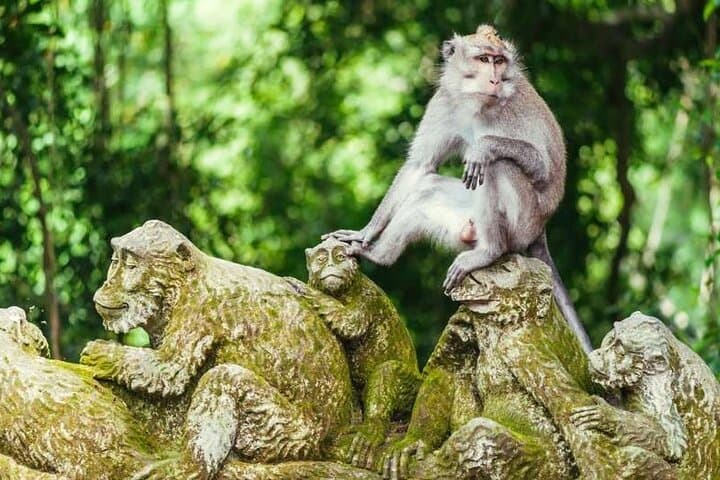
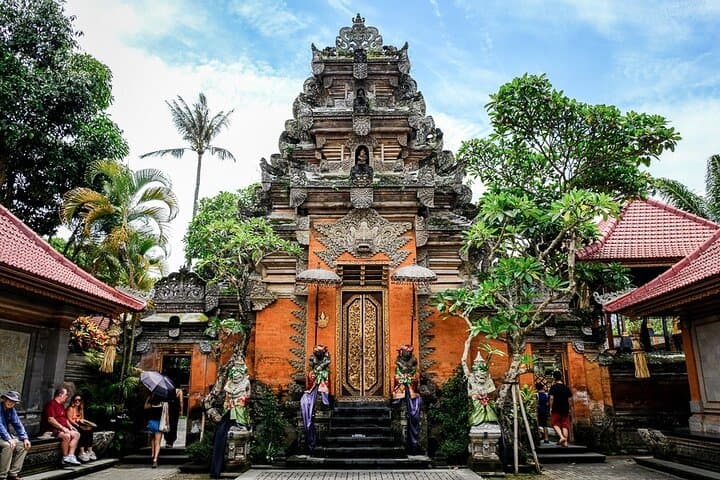
This full-day loop stitches four of central Bali’s defining experiences: the playful long‑tailed macaques of Ubud Monkey Forest, the sculpted steps of Tegalalang’s rice terraces, the thunder of Tegenungan Waterfall, and the sacred springs at Tirta Empul. The rice terraces rely on the island’s centuries-old subak irrigation system—an engineered landscape that shapes both food production and community life. Tirta Empul, founded around the 10th century, gives a glimpse into Balinese Hindu purification rituals where locals and visitors follow a precise sequence of bathing in spring-fed pools.
Geology here is young: volcanic soils from Mount Agung and nearby cones feed lush terraces and fast-running streams that carve compact gorges. Culturally, Ubud remains Bali’s arts and spiritual center—temples and small family-run warungs line the route so you’ll soak in craft markets and daily offerings as much as landscapes.
Practical edge: expect light walking on uneven steps and wet rocks, short steeps at the waterfall, and temple etiquette for Tirta Empul (sarong required). Start early to dodge crowds, carry cash for small entrance fees and offerings, and secure belongings—monkeys are dexterous and curious. Hydrate between stops; tropical humidity can sneak up fast. With an English-speaking driver and private transport, this 8–10 hour itinerary is an efficient, accessible sampler of Ubud’s natural and cultural highs.
easy.
8–10 hours.
Suitable for most fitness levels; requires short walks, stairs, and basic mobility for temple steps and waterfall trails.
Most tour listings exclude site entry fees—bring small cash for Monkey Forest, Tirta Empul donations and parking fees.
Yes—the itinerary is family-friendly but supervise kids around monkeys and slippery waterfall areas.
Yes, swimming is common where allowed; watch for strong currents and uneven terrain, and follow local signage.
You can usually rent or borrow a sarong at Tirta Empul, but bringing your own saves time and supports hygiene.
Tegalalang’s stepped paddies are maintained via the subak cooperative irrigation system developed by Balinese farmers centuries ago; Tirta Empul dates to the 10th century and remains an active purification site.
Respect posted paths and don’t feed the monkeys; support local guides and small warungs to keep tourism benefits within communities and reduce environmental strain.
CMP Bali operates guided outdoor trips and adventures with an emphasis on safety, stewardship, and memorable experiences.


Morning light filters through palm fronds as your driver threads narrow rice-lined lanes toward Ubud—monkeys chatter like a warning bell and water tumbles somewhere downriver.
Morning light filters through palm fronds as your driver threads narrow rice-lined lanes toward Ubud—monkeys chatter like a warning bell and water tumbles somewhere downriver.
This full-day loop stitches four of central Bali’s defining experiences: the playful long‑tailed macaques of Ubud Monkey Forest, the sculpted steps of Tegalalang’s rice terraces, the thunder of Tegenungan Waterfall, and the sacred springs at Tirta Empul. The rice terraces rely on the island’s centuries-old subak irrigation system—an engineered landscape that shapes both food production and community life. Tirta Empul, founded around the 10th century, gives a glimpse into Balinese Hindu purification rituals where locals and visitors follow a precise sequence of bathing in spring-fed pools.
Geology here is young: volcanic soils from Mount Agung and nearby cones feed lush terraces and fast-running streams that carve compact gorges. Culturally, Ubud remains Bali’s arts and spiritual center—temples and small family-run warungs line the route so you’ll soak in craft markets and daily offerings as much as landscapes.
Practical edge: expect light walking on uneven steps and wet rocks, short steeps at the waterfall, and temple etiquette for Tirta Empul (sarong required). Start early to dodge crowds, carry cash for small entrance fees and offerings, and secure belongings—monkeys are dexterous and curious. Hydrate between stops; tropical humidity can sneak up fast. With an English-speaking driver and private transport, this 8–10 hour itinerary is an efficient, accessible sampler of Ubud’s natural and cultural highs.