THE ADVENTURE COLLECTIVE® · Independent discovery and booking for outdoor travel

Spend a carefully paced day exploring Ubud’s cultural highlights: Barong dance, Mas woodcarvers, the Sacred Monkey Forest, Tegalalang rice terraces, Tirta Empul temple and Tegenungan Waterfall. This private guided tour pairs local insight with convenient transport for a comprehensive introduction to central Bali.
Spend a carefully paced day exploring Ubud’s cultural highlights: Barong dance, Mas woodcarvers, the Sacred Monkey Forest, Tegalalang rice terraces, Tirta Empul temple and Tegenungan Waterfall. This private guided tour pairs local insight with convenient transport for a comprehensive introduction to central Bali.
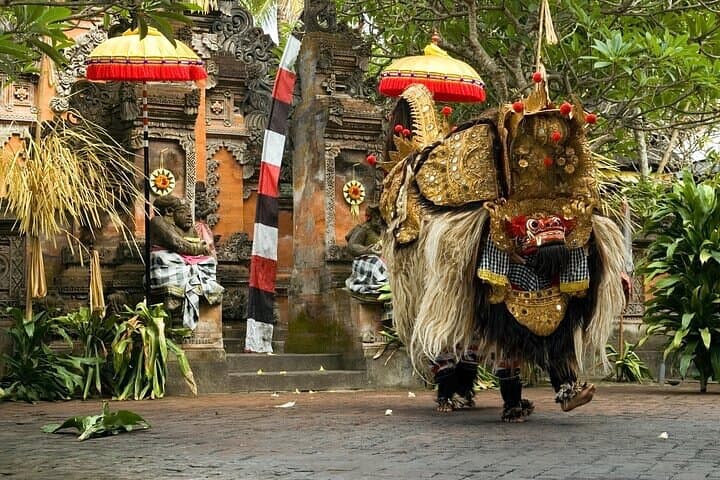
You step out of an air-conditioned van into warm, fragrant air and a chorus of market calls — Ubud announces itself with texture and sound. The day moves in measured stages: first the ceremonial drums of a Barong & Kris performance where masked figures enact ancient myths, then the quick, curious motions of long-tailed macaques threading through the Sacred Monkey Forest’s temple ruins.
Verified experiences and guided adventures in the surrounding area.
Operated by Nirvana Bali Tours · Ubud, Bali
You step out of an air-conditioned van into warm, fragrant air and a chorus of market calls — Ubud announces itself with texture and sound. The day moves in measured stages: first the ceremonial drums of a Barong & Kris performance where masked figures enact ancient myths, then the quick, curious motions of long-tailed macaques threading through the Sacred Monkey Forest’s temple ruins.
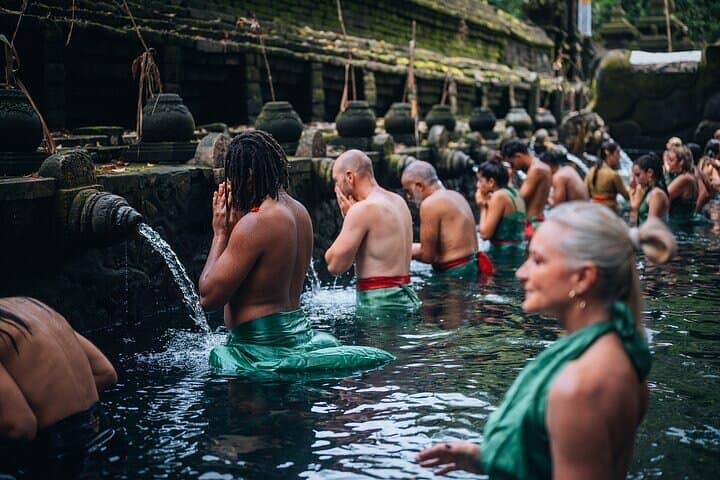
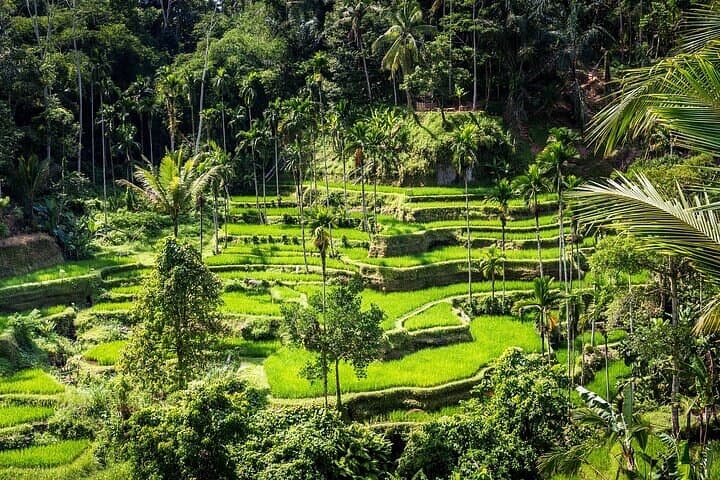
This region sits on volcanic soils that shaped terraced rice landscapes like Tegalalang, maintained for centuries by Bali’s cooperative subak irrigation system. Mas Village shows the other craft of the valley — teak and mahogany carved into functional art — while Tirta Empul’s spring-fed pools reveal a living layer of Balinese Hindu ritual and purification practice.
Expect a mix of paved lanes, temple steps and short dirt paths; the tour balances cultural stops with light walking rather than strenuous hiking. Photography is encouraged but tempered by etiquette: dress modestly for temple visits, remove shoes where required, and decline to touch monkeys or feed them.
Practical notes: plan for a 9–11 hour day with multiple short stops, bring cash for small entrance fees, souvenirs and offerings, and set aside time for a shaded lunch in Ubud center. Comfortable closed-toe shoes handle uneven temple steps and wet paths at waterfalls. Early starts and midweek departures reduce crowds at Tegalalang and the Monkey Forest. The result is a day that mixes living culture, craft, and landscape — a compact, accessible immersion into central Bali’s rhythms.
easy.
9–11 hours.
Light walking on mostly flat or gently stepped terrain; suitable for most fitness levels
Some admissions are included if selected; otherwise plan to pay small fees on-site—your guide will confirm what’s covered before departure.
Private transportation typically includes pickup within Ubud; confirm your exact pickup point when booking.
Yes—tour is suitable for all ages, though infants usually sit on laps and some stops involve steps and short walks.
Visitors may join purification rituals; bring modest swimwear or clothing you can change into and follow the temple’s hygiene rules guided by staff.
Ubud evolved as a royal and artistic center; its terraced rice system reflects centuries-old subak cooperative irrigation and Hindu agricultural rites.
High visitor numbers strain Monkey Forest and rice terraces—support local artisans, avoid single-use plastics, and follow guide instructions to minimize disturbance.
Nirvana Bali Tours operates guided outdoor trips and adventures with an emphasis on safety, stewardship, and memorable experiences.

You step out of an air-conditioned van into warm, fragrant air and a chorus of market calls — Ubud announces itself with texture and sound. The day moves in measured stages: first the ceremonial drums of a Barong & Kris performance where masked figures enact ancient myths, then the quick, curious motions of long-tailed macaques threading through the Sacred Monkey Forest’s temple ruins.
You step out of an air-conditioned van into warm, fragrant air and a chorus of market calls — Ubud announces itself with texture and sound. The day moves in measured stages: first the ceremonial drums of a Barong & Kris performance where masked figures enact ancient myths, then the quick, curious motions of long-tailed macaques threading through the Sacred Monkey Forest’s temple ruins.
This region sits on volcanic soils that shaped terraced rice landscapes like Tegalalang, maintained for centuries by Bali’s cooperative subak irrigation system. Mas Village shows the other craft of the valley — teak and mahogany carved into functional art — while Tirta Empul’s spring-fed pools reveal a living layer of Balinese Hindu ritual and purification practice.
Expect a mix of paved lanes, temple steps and short dirt paths; the tour balances cultural stops with light walking rather than strenuous hiking. Photography is encouraged but tempered by etiquette: dress modestly for temple visits, remove shoes where required, and decline to touch monkeys or feed them.
Practical notes: plan for a 9–11 hour day with multiple short stops, bring cash for small entrance fees, souvenirs and offerings, and set aside time for a shaded lunch in Ubud center. Comfortable closed-toe shoes handle uneven temple steps and wet paths at waterfalls. Early starts and midweek departures reduce crowds at Tegalalang and the Monkey Forest. The result is a day that mixes living culture, craft, and landscape — a compact, accessible immersion into central Bali’s rhythms.