THE ADVENTURE COLLECTIVE® · Independent discovery and booking for outdoor travel

Spend a full day moving between Ubud’s temples, the Monkey Forest sanctuary, and the sculpted tiers of Tegalalang. This guided tour pairs cultural context—Goa Gajah and a purification temple—with hands-on canang sari making and relaxed walking through iconic landscapes.
Spend a full day moving between Ubud’s temples, the Monkey Forest sanctuary, and the sculpted tiers of Tegalalang. This guided tour pairs cultural context—Goa Gajah and a purification temple—with hands-on canang sari making and relaxed walking through iconic landscapes.
Morning light filters through tall jackfruit and frangipani as you step from an air-conditioned minivan into Ubud’s humid air. The day unfolds as a sequence of textures: mossed stone at Goa Gajah, the busy curiosity of macaques in the Monkey Forest, the stepped geometry of Tegalalang’s rice paddies, and a quiet jungle temple where you learn to assemble a canang sari.
Verified experiences and guided adventures in the surrounding area.
Operated by Discova Southeast Asia · Ubud, Bali
Morning light filters through tall jackfruit and frangipani as you step from an air-conditioned minivan into Ubud’s humid air. The day unfolds as a sequence of textures: mossed stone at Goa Gajah, the busy curiosity of macaques in the Monkey Forest, the stepped geometry of Tegalalang’s rice paddies, and a quiet jungle temple where you learn to assemble a canang sari.
Goa Gajah (Elephant Cave) dates to the island’s early Hindu-Buddhist period and shows carved entrances and ritual bathing pools that reflect centuries of devotional life. Ubud’s Royal Palace anchors the town’s cultural identity—its gateways and courtyards still host dance and ceremony—while Tegalalang exposes the volcanic terrain’s capacity for rice cultivation, terraces carved into slopes using age-old subak irrigation.
The tour balances cultural context and sensory detail: you’ll hear temple gamelan threads in doorways, feel the monkeys’ presence as a physical hum, and see terraces catching late-afternoon light like folded emeralds. Guides explain both overt ritual—daily offerings—and quieter practices tied to water management and royal patronage.
Practicalities: wear closed-toe shoes with grip for uneven paths and steps, bring modest clothing or a sarong for temple visits, and carry a refillable water bottle. Keep small items zipped—the macaques are adept at snatching loose sunglasses or snacks. Expect a full 12-hour day with hotel pickup and drop-off; pacing is relaxed but involves walking at multiple sites.
This itinerary suits travelers seeking a grounded cultural day with light walking, natural views, and hands-on ritual insight—an efficient way to experience Ubud’s layered landscape and living traditions.
easy.
12 hours.
Suitable for travelers with basic fitness; involves multiple short walks and stair/stepped terrain but no technical exertion.
Yes—there’s a lunch break in central Ubud with recommendations from your guide; lunch is typically not included unless specified.
Yes, the tour includes entrance fees to listed attractions like Goa Gajah and Monkey Forest as noted in the itinerary.
The tour is rated easy and is generally suitable for all ages, but infants must sit on laps and those with mobility concerns should note uneven paths and steps.
Yes—at the smaller jungle purification temple guests may participate in a local ritual, following the guide’s instructions; it’s optional and typically included.
Ubud grew as a royal and artistic center; the Ubud Palace remains a focal point for performance and traditional crafts, while Goa Gajah is an archaeological site linked to early Hindu-Buddhist communities.
Respect pathways and temple rules, avoid feeding wildlife, and use refillable bottles; supporting licensed guides helps fund local conservation and cultural preservation.
Discova Southeast Asia operates guided outdoor trips and adventures with an emphasis on safety, stewardship, and memorable experiences.
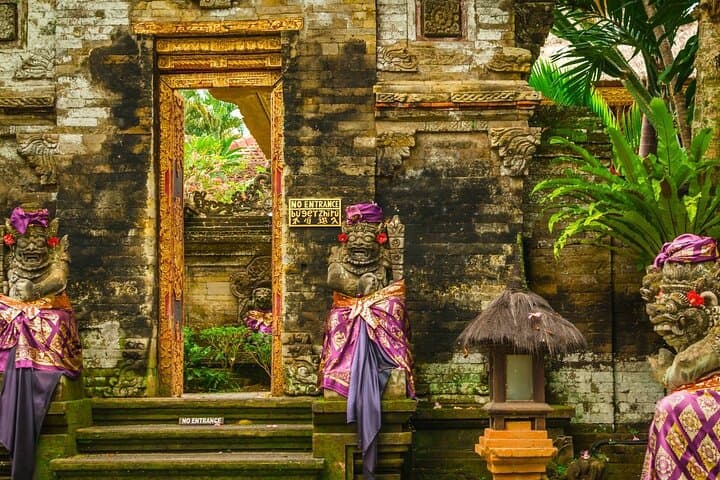
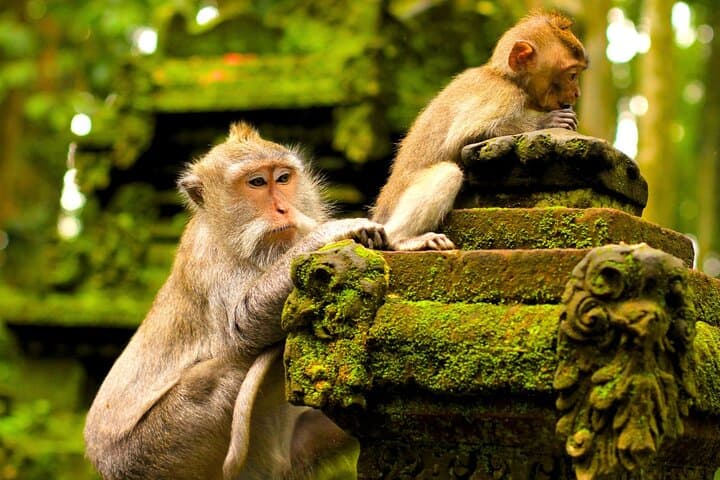
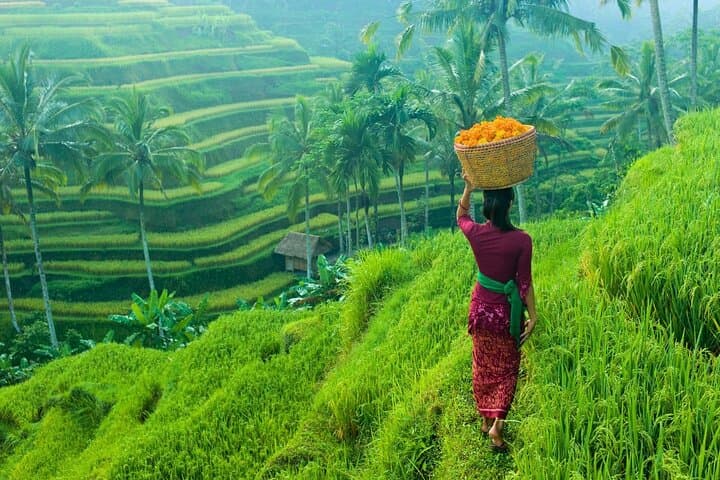
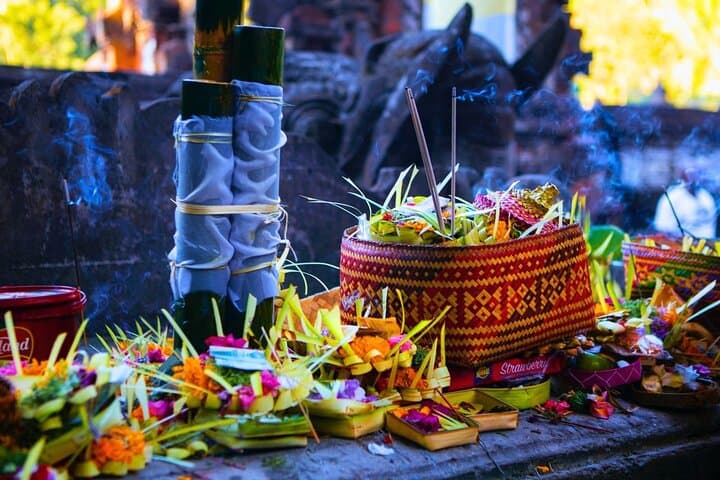
Morning light filters through tall jackfruit and frangipani as you step from an air-conditioned minivan into Ubud’s humid air. The day unfolds as a sequence of textures: mossed stone at Goa Gajah, the busy curiosity of macaques in the Monkey Forest, the stepped geometry of Tegalalang’s rice paddies, and a quiet jungle temple where you learn to assemble a canang sari.
Morning light filters through tall jackfruit and frangipani as you step from an air-conditioned minivan into Ubud’s humid air. The day unfolds as a sequence of textures: mossed stone at Goa Gajah, the busy curiosity of macaques in the Monkey Forest, the stepped geometry of Tegalalang’s rice paddies, and a quiet jungle temple where you learn to assemble a canang sari.
Goa Gajah (Elephant Cave) dates to the island’s early Hindu-Buddhist period and shows carved entrances and ritual bathing pools that reflect centuries of devotional life. Ubud’s Royal Palace anchors the town’s cultural identity—its gateways and courtyards still host dance and ceremony—while Tegalalang exposes the volcanic terrain’s capacity for rice cultivation, terraces carved into slopes using age-old subak irrigation.
The tour balances cultural context and sensory detail: you’ll hear temple gamelan threads in doorways, feel the monkeys’ presence as a physical hum, and see terraces catching late-afternoon light like folded emeralds. Guides explain both overt ritual—daily offerings—and quieter practices tied to water management and royal patronage.
Practicalities: wear closed-toe shoes with grip for uneven paths and steps, bring modest clothing or a sarong for temple visits, and carry a refillable water bottle. Keep small items zipped—the macaques are adept at snatching loose sunglasses or snacks. Expect a full 12-hour day with hotel pickup and drop-off; pacing is relaxed but involves walking at multiple sites.
This itinerary suits travelers seeking a grounded cultural day with light walking, natural views, and hands-on ritual insight—an efficient way to experience Ubud’s layered landscape and living traditions.