THE ADVENTURE COLLECTIVE® · Independent discovery and booking for outdoor travel

Spend a full day exploring Ubud’s countryside on a private tour that pairs rice-terrace views with temple visits, a coffee tasting and village culture. Ideal for travelers who want a compact, customizable introduction to central Bali’s landscapes and crafts.
Spend a full day exploring Ubud’s countryside on a private tour that pairs rice-terrace views with temple visits, a coffee tasting and village culture. Ideal for travelers who want a compact, customizable introduction to central Bali’s landscapes and crafts.
Dawn finds the road out of central Ubud thin with scooters and birdsong as the driver slips into the rice-lined lanes. Palm fronds whisper; terraces fold away like steps of green. Over the day the private van threads small villages, stopping at an ancestral house in Batuan, a coffee plantation tasting, a popular waterfall, the crafts market and a stretch of rice terraces with optional swings.
Verified experiences and guided adventures in the surrounding area.
Operated by Bali Global Tour · Ubud, Bali
Dawn finds the road out of central Ubud thin with scooters and birdsong as the driver slips into the rice-lined lanes. Palm fronds whisper; terraces fold away like steps of green. Over the day the private van threads small villages, stopping at an ancestral house in Batuan, a coffee plantation tasting, a popular waterfall, the crafts market and a stretch of rice terraces with optional swings.
Ubud sits on central Bali’s volcanic plain — soils rich from Mt. Agung’s eruptions centuries ago produce the island’s famed rice and coffee. The region’s Balinese-Hindu culture remains visible in household temples, daily offerings, and village compound life; villages like Batuan preserve traditional kitchens and ornate carved houses. The water-worn cliffs at local falls and the terraced paddies illustrate both geology and irrigation techniques the local communities refined for generations.
Expect short, mostly level walks (10–30 minutes) at each stop, a few stone steps at terraces and slippery sections near the waterfall. Photography, craft shopping and a Luwak-coffee tasting are typical highlights; many purchases and swing rides are pay-as-you-go.
Practical guidance: start early to avoid midday heat, bring modest clothing for temple visits, carry cash for small entrance fees and tips, and wear grippy shoes for wet trails. The tour includes private transport, bottled water and a guide; physical demands are low but uneven surfaces and stairs mean sensible footwear matters.
easy.
About 10 hours.
Suitable for most fitness levels; involves multiple short walks on uneven ground and steps
Yes — the tour includes private vehicle pickup and drop-off as listed in the inclusions.
Some admissions are included but optional extras like the rice-terrace swing, souvenirs and certain craft demonstrations are pay-as-you-go; confirm specifics with the operator.
Children are welcome but infants must sit on an adult’s lap; the operator notes the tour is not recommended for pregnant travelers or those with significant back or heart issues.
Yes — the tour can often be adjusted to include preferred stops, though additions may incur personal costs and require advance notice.
Ubud grew in the 19th–20th centuries as a center for royal courts and artists; its rice cultivation and water temples reflect centuries of Balinese-Hindu agrarian practice.
Rice terraces rely on traditional subak irrigation systems managed by local communities; visitors are encouraged to respect paddies, avoid trampling, and minimize single-use plastics.
Bali Global Tour operates guided outdoor trips and adventures with an emphasis on safety, stewardship, and memorable experiences.
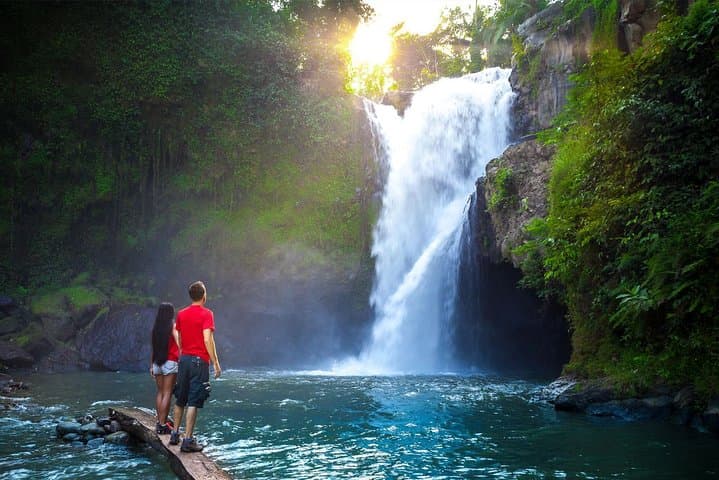
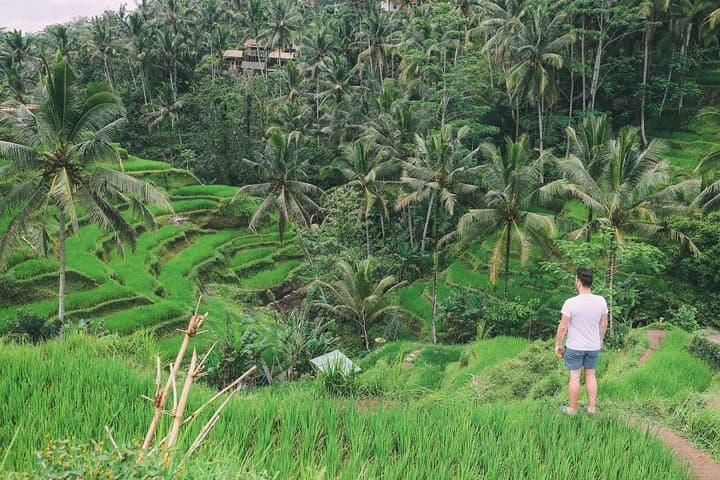
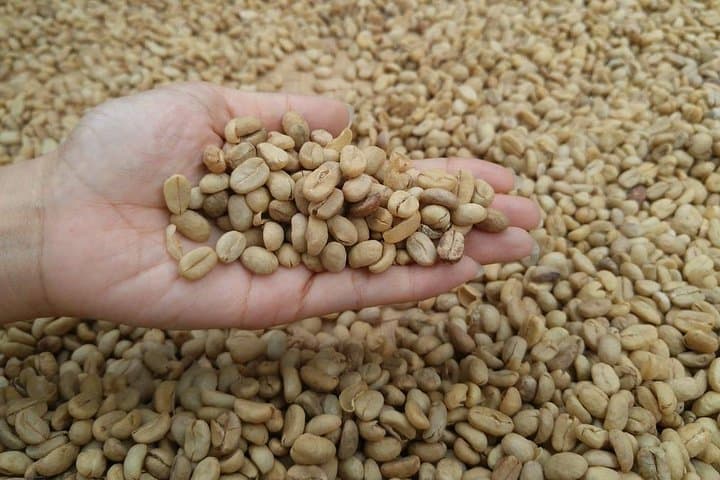
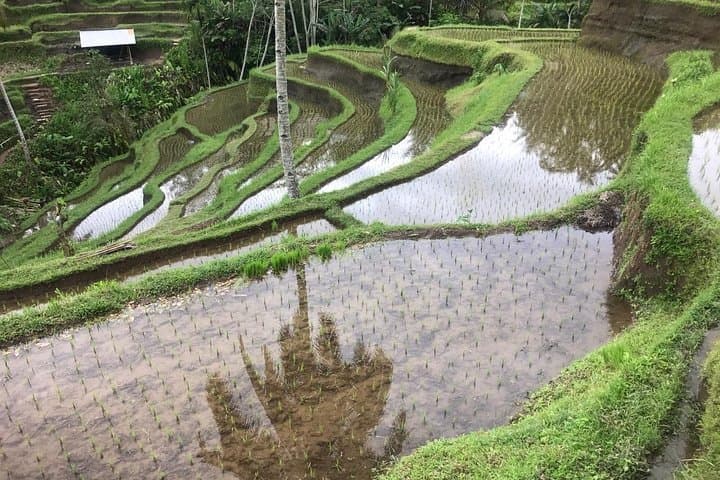
Dawn finds the road out of central Ubud thin with scooters and birdsong as the driver slips into the rice-lined lanes. Palm fronds whisper; terraces fold away like steps of green. Over the day the private van threads small villages, stopping at an ancestral house in Batuan, a coffee plantation tasting, a popular waterfall, the crafts market and a stretch of rice terraces with optional swings.
Dawn finds the road out of central Ubud thin with scooters and birdsong as the driver slips into the rice-lined lanes. Palm fronds whisper; terraces fold away like steps of green. Over the day the private van threads small villages, stopping at an ancestral house in Batuan, a coffee plantation tasting, a popular waterfall, the crafts market and a stretch of rice terraces with optional swings.
Ubud sits on central Bali’s volcanic plain — soils rich from Mt. Agung’s eruptions centuries ago produce the island’s famed rice and coffee. The region’s Balinese-Hindu culture remains visible in household temples, daily offerings, and village compound life; villages like Batuan preserve traditional kitchens and ornate carved houses. The water-worn cliffs at local falls and the terraced paddies illustrate both geology and irrigation techniques the local communities refined for generations.
Expect short, mostly level walks (10–30 minutes) at each stop, a few stone steps at terraces and slippery sections near the waterfall. Photography, craft shopping and a Luwak-coffee tasting are typical highlights; many purchases and swing rides are pay-as-you-go.
Practical guidance: start early to avoid midday heat, bring modest clothing for temple visits, carry cash for small entrance fees and tips, and wear grippy shoes for wet trails. The tour includes private transport, bottled water and a guide; physical demands are low but uneven surfaces and stairs mean sensible footwear matters.