THE ADVENTURE COLLECTIVE® · Independent discovery and booking for outdoor travel

Walk through Ubud’s green lanes with a plant specialist who identifies medicinal herbs, spice trees and village crops. This private half-day tour pairs a two-hour guided walk with a local lunch and hotel transfers.
Walk through Ubud’s green lanes with a plant specialist who identifies medicinal herbs, spice trees and village crops. This private half-day tour pairs a two-hour guided walk with a local lunch and hotel transfers.
You set off from a quiet kerb in southern Bali or Ubud, the engine of an air-conditioned minivan easing you to Bayad. The rice terraces slope and breathe; leaves and fronds reach out like curious hands. For two hours you walk at a gentle pace—paths of packed earth, shaded lanes and short, stony sections—while a guide and plant specialist points out medicinal herbs, spice trees and edible greens.
Verified experiences and guided adventures in the surrounding area.
Operated by Asian Trails LTD · Ubud, Bali
You set off from a quiet kerb in southern Bali or Ubud, the engine of an air-conditioned minivan easing you to Bayad. The rice terraces slope and breathe; leaves and fronds reach out like curious hands. For two hours you walk at a gentle pace—paths of packed earth, shaded lanes and short, stony sections—while a guide and plant specialist points out medicinal herbs, spice trees and edible greens.
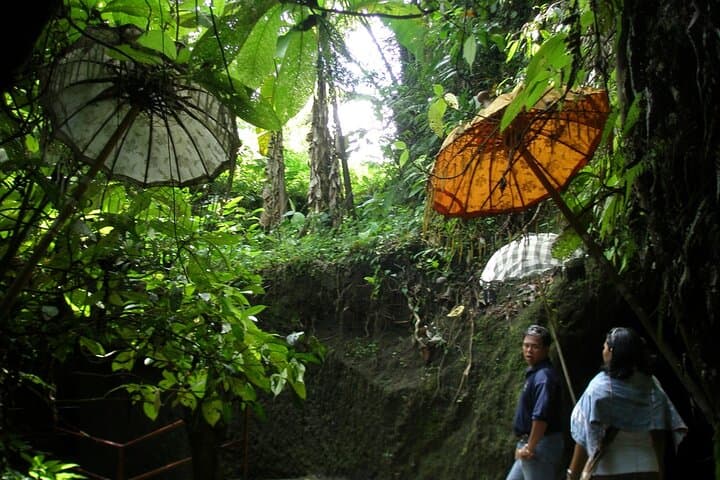
Bali’s central uplands sit on volcanic soils deposited by ancient eruptions from Mount Agung and Batur; that fertility explains the dense, cultivated plantings you’ll encounter. The route threads small village plots, a traditional herb garden where locals still use plants for remedies, and a shallow cave entrance that hints at older, water-carved limestone channels beneath the surface.
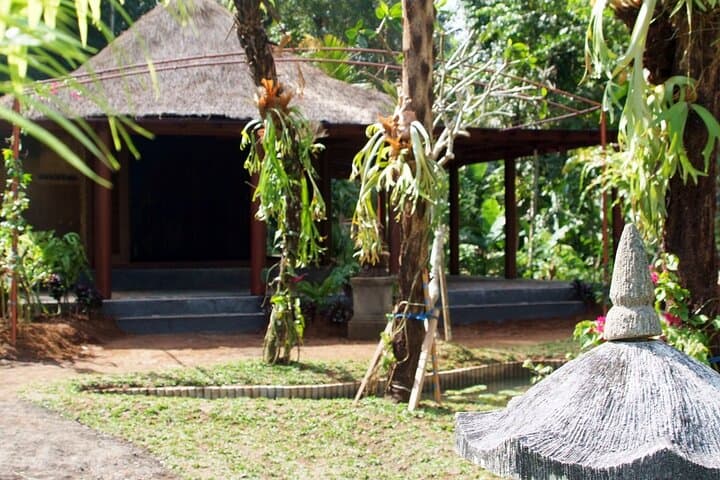
Culturally, the walk crosses land stewarded by families who practice rice-agriculture and village temple rites; your guide will explain how plants and ceremonies overlap in Balinese daily life. The tour ends at a local family-run restaurant where steamed rice, sambal and fresh vegetable dishes restore energy.
Practical notes: the walk itself is about two hours within a five-hour half-day program that includes transfers, refreshments and lunch. Expect heat, sun and short uneven steps—sturdy walking shoes and sun protection are essential. The tour is private and conducted in English; it does not operate on Nyepi (Bali’s Day of Silence). Bring water, small cash for souvenirs, and a camera protected from humidity. Morning departures avoid the hottest midday sun and increase bird and insect activity—nature that seems to move with you, not behind you.
moderate.
4–5 hours.
Moderate level of fitness: able to walk 2 hours over uneven terrain with occasional short climbs and steps.
The actual guided walk is about two hours; the total half-day experience, including transfers and lunch, runs roughly 4–5 hours.
Yes—children and adults can join, but infants must sit on an adult’s lap during transfers and participants should be comfortable walking on uneven ground.
Transfers are included for hotels in South Bali and Ubud; accommodations outside those areas or private residences may require a supplement or meeting at a nearby hotel.
The tour does not operate on Nyepi (Bali’s Day of Silence); other public holidays can vary—confirm at booking.
Central Bali’s soils and irrigation systems were shaped over centuries by volcanic activity and traditional subak rice-sharing systems that still influence village land use.
Stick to paths, avoid removing plant material from gardens and use refillable water bottles; many local farms practice traditional agroforestry that benefits soil and biodiversity.
Asian Trails LTD operates guided outdoor trips and adventures with an emphasis on safety, stewardship, and memorable experiences.
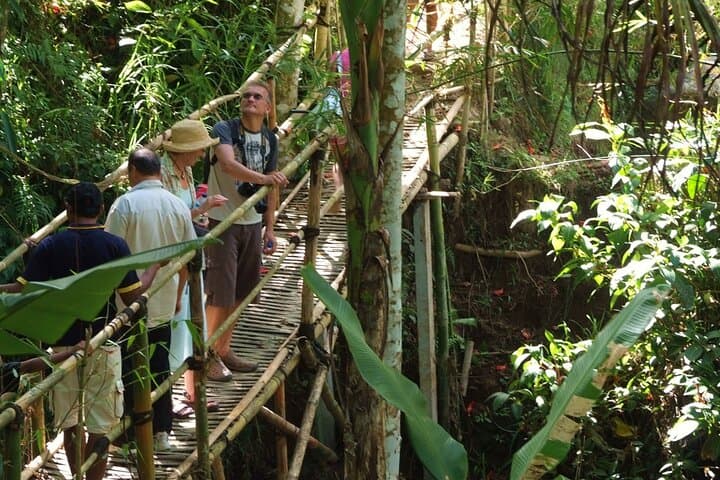
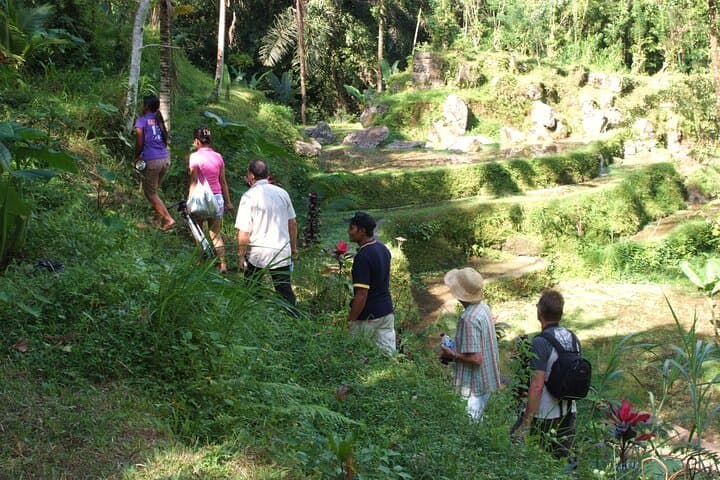
You set off from a quiet kerb in southern Bali or Ubud, the engine of an air-conditioned minivan easing you to Bayad. The rice terraces slope and breathe; leaves and fronds reach out like curious hands. For two hours you walk at a gentle pace—paths of packed earth, shaded lanes and short, stony sections—while a guide and plant specialist points out medicinal herbs, spice trees and edible greens.
You set off from a quiet kerb in southern Bali or Ubud, the engine of an air-conditioned minivan easing you to Bayad. The rice terraces slope and breathe; leaves and fronds reach out like curious hands. For two hours you walk at a gentle pace—paths of packed earth, shaded lanes and short, stony sections—while a guide and plant specialist points out medicinal herbs, spice trees and edible greens.
Bali’s central uplands sit on volcanic soils deposited by ancient eruptions from Mount Agung and Batur; that fertility explains the dense, cultivated plantings you’ll encounter. The route threads small village plots, a traditional herb garden where locals still use plants for remedies, and a shallow cave entrance that hints at older, water-carved limestone channels beneath the surface.
Culturally, the walk crosses land stewarded by families who practice rice-agriculture and village temple rites; your guide will explain how plants and ceremonies overlap in Balinese daily life. The tour ends at a local family-run restaurant where steamed rice, sambal and fresh vegetable dishes restore energy.
Practical notes: the walk itself is about two hours within a five-hour half-day program that includes transfers, refreshments and lunch. Expect heat, sun and short uneven steps—sturdy walking shoes and sun protection are essential. The tour is private and conducted in English; it does not operate on Nyepi (Bali’s Day of Silence). Bring water, small cash for souvenirs, and a camera protected from humidity. Morning departures avoid the hottest midday sun and increase bird and insect activity—nature that seems to move with you, not behind you.