THE ADVENTURE COLLECTIVE® · Independent discovery and booking for outdoor travel

Ride electric through Ubud’s rice terraces, village lanes, and coffee plots on a half-day guided tour. Expect gentle climbs, cultural stops at temples and traditional houses, and a plantation coffee tasting.
Ride electric through Ubud’s rice terraces, village lanes, and coffee plots on a half-day guided tour. Expect gentle climbs, cultural stops at temples and traditional houses, and a plantation coffee tasting.
Morning light filters through palm fronds as riders mount electric bikes at the edge of Ubud, tires whispering on village lanes. The ride falls into a steady rhythm: gentle descents into emerald rice steps, climbs that the motor quietly eases, and narrow lanes that thread between thatched homes and temple gates. Rivers call you to the valley; terraces tilt and spill like stairways carved into the earth.
Verified experiences and guided adventures in the surrounding area.
Operated by Info Ke Bali · Ubud, Bali
Morning light filters through palm fronds as riders mount electric bikes at the edge of Ubud, tires whispering on village lanes. The ride falls into a steady rhythm: gentle descents into emerald rice steps, climbs that the motor quietly eases, and narrow lanes that thread between thatched homes and temple gates. Rivers call you to the valley; terraces tilt and spill like stairways carved into the earth.
This region grew from subsistence rice agriculture governed by the subak cooperative system—centuries-old water management that shapes the terraces you pass. Volcanic soils from Mount Agung feed the paddies; Hindu temples anchor village life with daily offerings and temple festivals. Coffee plantations nearby cultivate beans on shaded slopes where farmers still roast and brew using age-old methods—try a local kopi for a clear sense of place.
Practically, the route mixes paved village roads, steeper rural tracks, and short gravel sections; expect modest elevation changes but sustained pedaling despite the e-assist. Traffic can be intermittent; local drivers are accustomed to two-wheelers but remain alert at junctions and market stretches.
Plan to start mid-morning to avoid heavy heat, carry water and sunscreen, and wear closed-toe shoes for brief farm-side walks. Guides typically provide helmets, an introductory e-bike briefing, and a Balinese lunch at a local warung. Photographic stops at Tegallalang and a plantation slow the pace—this is an adventure of steady discovery more than adrenaline. For first-time e-bikers or those seeking cultural context, it’s an accessible way to feel the island’s rhythm beneath your wheels.
easy.
4–5 hours.
Suitable for most fitness levels; basic cycling stamina and the ability to sit and pedal for several hours recommended
No—guides provide a short orientation; e-bikes offer pedal assist that reduces effort, but riders should be comfortable balancing and using brakes on mixed surfaces.
Many operators allow older children who can ride safely; confirm age limits with the provider and request child-sized bikes if needed.
Yes—small bills for temple offerings, snacks, or souvenirs are useful as many village stalls do not accept cards.
Short tropical showers are common; operators may continue in light rain with ponchos, but heavy storms could prompt rescheduling—check cancellation terms.
Rice cultivation in the Ubud area has long been organized by subak cooperatives, an irrigation system dating to the 9th–10th centuries that remains central to landscape and culture.
Stick to marked paths and avoid stepping on young paddies; many local communities balance tourism income with traditional farming and request respectful behavior around fields and temples.
Info Ke Bali operates guided outdoor trips and adventures with an emphasis on safety, stewardship, and memorable experiences.
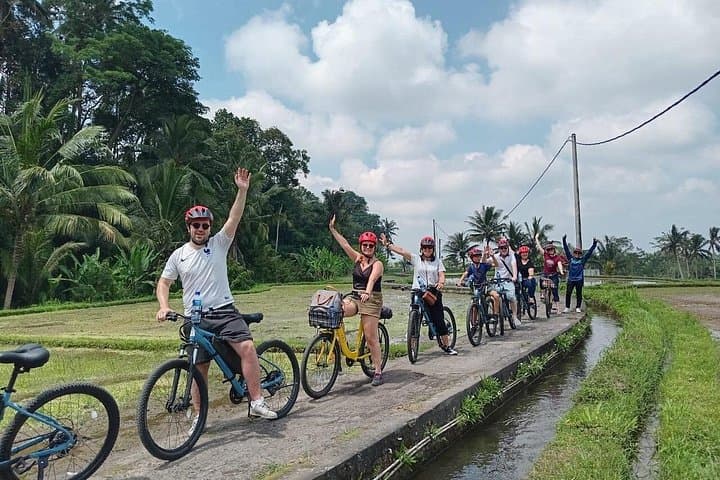
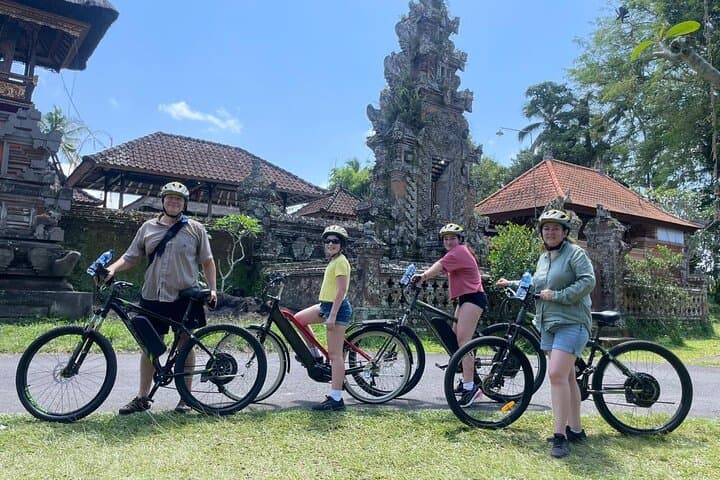
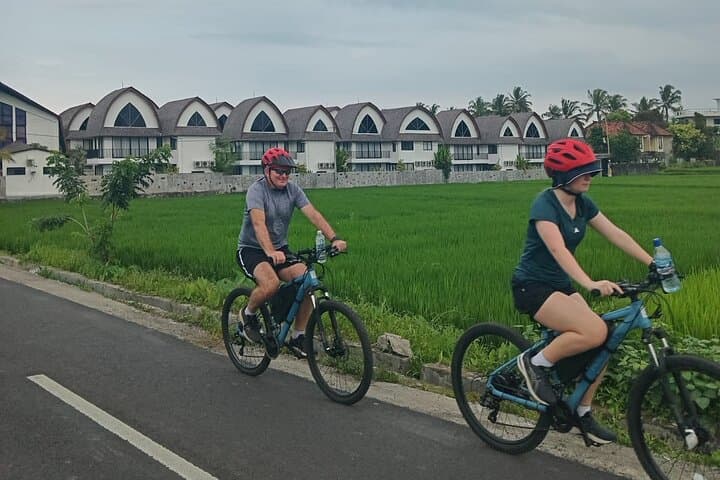
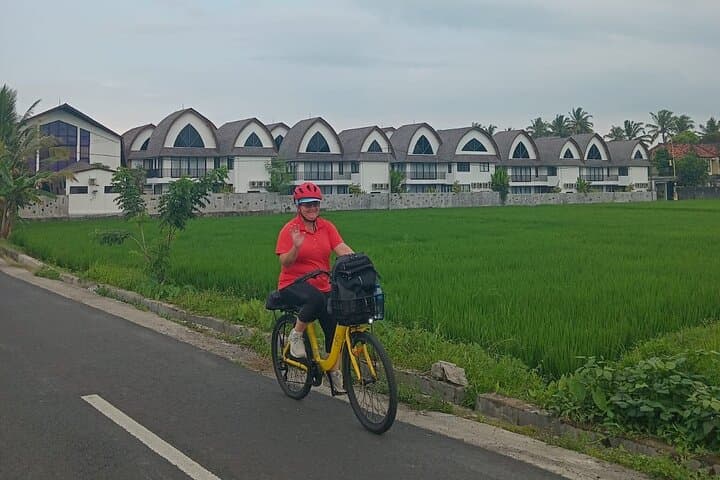
Morning light filters through palm fronds as riders mount electric bikes at the edge of Ubud, tires whispering on village lanes. The ride falls into a steady rhythm: gentle descents into emerald rice steps, climbs that the motor quietly eases, and narrow lanes that thread between thatched homes and temple gates. Rivers call you to the valley; terraces tilt and spill like stairways carved into the earth.
Morning light filters through palm fronds as riders mount electric bikes at the edge of Ubud, tires whispering on village lanes. The ride falls into a steady rhythm: gentle descents into emerald rice steps, climbs that the motor quietly eases, and narrow lanes that thread between thatched homes and temple gates. Rivers call you to the valley; terraces tilt and spill like stairways carved into the earth.
This region grew from subsistence rice agriculture governed by the subak cooperative system—centuries-old water management that shapes the terraces you pass. Volcanic soils from Mount Agung feed the paddies; Hindu temples anchor village life with daily offerings and temple festivals. Coffee plantations nearby cultivate beans on shaded slopes where farmers still roast and brew using age-old methods—try a local kopi for a clear sense of place.
Practically, the route mixes paved village roads, steeper rural tracks, and short gravel sections; expect modest elevation changes but sustained pedaling despite the e-assist. Traffic can be intermittent; local drivers are accustomed to two-wheelers but remain alert at junctions and market stretches.
Plan to start mid-morning to avoid heavy heat, carry water and sunscreen, and wear closed-toe shoes for brief farm-side walks. Guides typically provide helmets, an introductory e-bike briefing, and a Balinese lunch at a local warung. Photographic stops at Tegallalang and a plantation slow the pace—this is an adventure of steady discovery more than adrenaline. For first-time e-bikers or those seeking cultural context, it’s an accessible way to feel the island’s rhythm beneath your wheels.