THE ADVENTURE COLLECTIVE® · Independent discovery and booking for outdoor travel

Spend a day moving from emerald rice terraces to sacred water temples and secret waterfalls around Ubud. This private, full-day tour mixes short walks, cultural stops and artisan workshops—ideal for travelers who want a compact but layered introduction to Bali’s central highlands.
Spend a day moving from emerald rice terraces to sacred water temples and secret waterfalls around Ubud. This private, full-day tour mixes short walks, cultural stops and artisan workshops—ideal for travelers who want a compact but layered introduction to Bali’s central highlands.
Sunlight cuts through morning mist over the Tegalalang terraces as a driver-steers through narrow lanes toward Ubud’s leafy heart. The day opens with the tactile calm of paddies etched into the hillside—each step along narrow ridges brings the scent of wet earth and the low murmur of water channels guiding life downhill. From carved temple gates to the sudden, riotous chatter of macaques in the Monkey Forest, the tour moves like a sequence of short, deliberate scenes, each with its own mood and ritual.
Verified experiences and guided adventures in the surrounding area.
Operated by PT. Diwira Wisata Indonesia · Ubud, Bali
Sunlight cuts through morning mist over the Tegalalang terraces as a driver-steers through narrow lanes toward Ubud’s leafy heart. The day opens with the tactile calm of paddies etched into the hillside—each step along narrow ridges brings the scent of wet earth and the low murmur of water channels guiding life downhill. From carved temple gates to the sudden, riotous chatter of macaques in the Monkey Forest, the tour moves like a sequence of short, deliberate scenes, each with its own mood and ritual.
Bali’s central highlands were formed by volcanic uplift and the steady patience of terracing—farmers here shape steep slopes into long, curving steps that slow rainwater and coax two rice harvests a year. Ubud itself grew from a cluster of villages to a cultural hub in the 20th century, drawing painters, dancers and musicians who built the town’s reputation for craft and performance. The itinerary threads together this living heritage: water temples such as Tirta Empul where locals practice purification rituals; artisan villages like Celuk and Batubulan where silversmiths and batik makers keep centuries-old techniques alive; and quiet hamlets like Penglipuran that preserve traditional village plans.
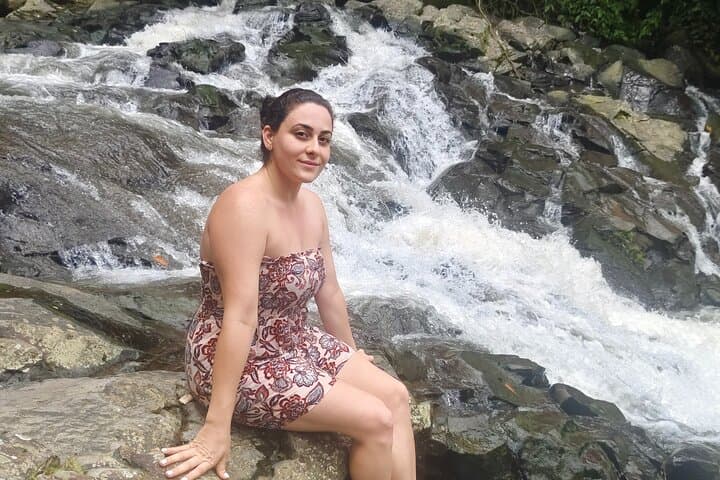
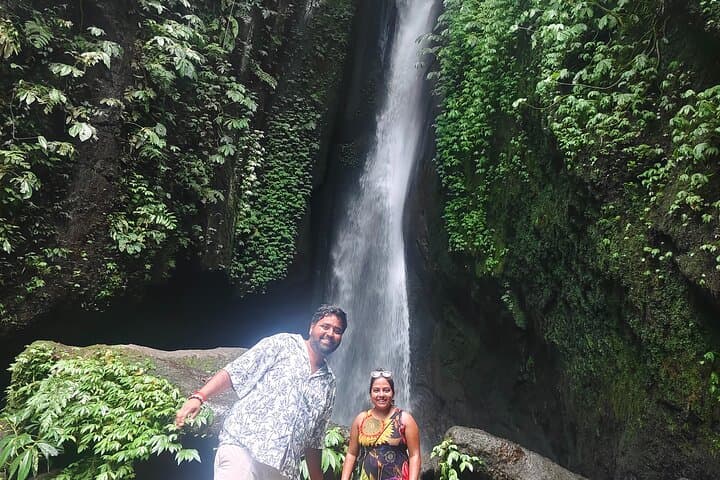
Geology puts waterfalls at the end of short canyons—Kanto Lampo and Tibumana fall humbly over basalts and boulders, while Tukad Cepung hides its cascade inside a narrow gorge so light finds the water in theatrical shafts. Wildlife is urban-edge and tropical: long-tailed macaques shuffle along paths, songbirds fill the gardens, and the irrigation channels sustain dragonflies and frogs.
Practical guidance: this is a full-day private tour—expect about 10 hours including hotel pickup, 30–90 minutes at most stops, and short walks under 2 km at each site. Terrain is mixed: paved village roads, packed-earth trails, and steep stone stairs at some waterfalls (prepare for slippery sections). Dress respectfully for temples—shoulders and knees covered; sarongs are often provided but bringing your own saves time. Carry a reusable water bottle, small cash for market purchases and entrance fees, light rain protection during the wet season, and a power bank for photos. Arrive early to waterfalls and the Monkey Forest to avoid crowds; don’t feed or tease monkeys and secure loose items.
For travelers who want a single-day primer on Ubud’s landscapes and crafts, this package stitches together accessible adventure with cultural context—and leaves space for curiosity between each stop.
moderate.
10–11 hours.
Suitable for travelers with basic fitness; expect short walks of up to 2 km with stair sections at waterfalls.
The standard private option runs about 10 hours from hotel pickup to drop-off and includes multiple short stops around Ubud.
Yes—private hotel pickup within the Ubud area is included; drivers will contact you via WhatsApp to confirm details.
Some itineraries include entrance fees; check your chosen option—otherwise have cash on hand for site admissions.
Visitors may observe or participate respectfully; follow local guidance, wear appropriate clothing and consider asking your guide for instruction.
Yes—stroller-friendly parts exist, but many sites have stairs and uneven terrain; infant seats are available in vehicles but children may need to be carried at waterfalls.
Avoid feeding or making eye contact, keep bags zipped and remove dangling items—macaques are curious and fast.
Ubud rose as a center for arts in the early 20th century, attracting painters and performers who established studios and preserved traditional crafts.
Many sites rely on tourism revenue for conservation; use refillable bottles, follow marked trails, and respect temple rules to reduce impact.
PT. Diwira Wisata Indonesia operates guided outdoor trips and adventures with an emphasis on safety, stewardship, and memorable experiences.
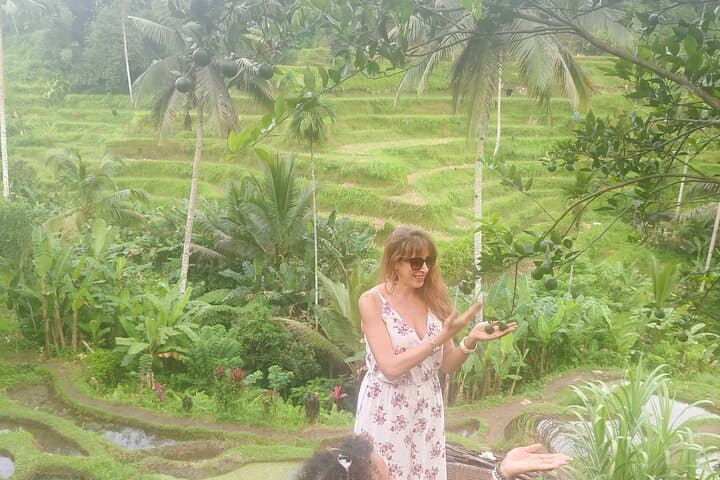
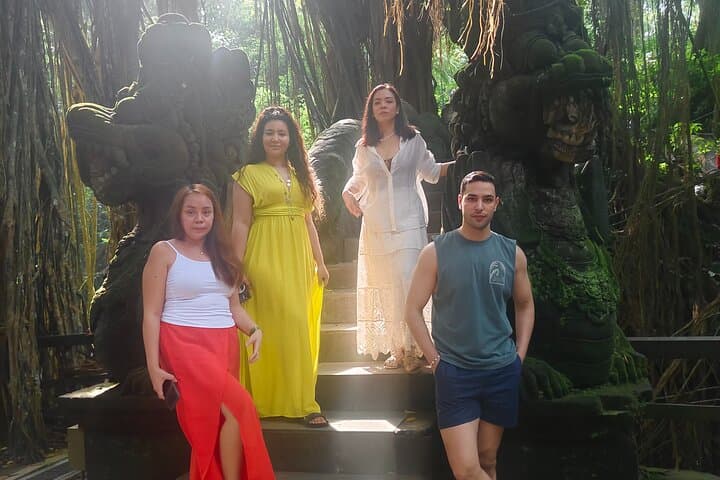
Sunlight cuts through morning mist over the Tegalalang terraces as a driver-steers through narrow lanes toward Ubud’s leafy heart. The day opens with the tactile calm of paddies etched into the hillside—each step along narrow ridges brings the scent of wet earth and the low murmur of water channels guiding life downhill. From carved temple gates to the sudden, riotous chatter of macaques in the Monkey Forest, the tour moves like a sequence of short, deliberate scenes, each with its own mood and ritual.
Sunlight cuts through morning mist over the Tegalalang terraces as a driver-steers through narrow lanes toward Ubud’s leafy heart. The day opens with the tactile calm of paddies etched into the hillside—each step along narrow ridges brings the scent of wet earth and the low murmur of water channels guiding life downhill. From carved temple gates to the sudden, riotous chatter of macaques in the Monkey Forest, the tour moves like a sequence of short, deliberate scenes, each with its own mood and ritual.
Bali’s central highlands were formed by volcanic uplift and the steady patience of terracing—farmers here shape steep slopes into long, curving steps that slow rainwater and coax two rice harvests a year. Ubud itself grew from a cluster of villages to a cultural hub in the 20th century, drawing painters, dancers and musicians who built the town’s reputation for craft and performance. The itinerary threads together this living heritage: water temples such as Tirta Empul where locals practice purification rituals; artisan villages like Celuk and Batubulan where silversmiths and batik makers keep centuries-old techniques alive; and quiet hamlets like Penglipuran that preserve traditional village plans.
Geology puts waterfalls at the end of short canyons—Kanto Lampo and Tibumana fall humbly over basalts and boulders, while Tukad Cepung hides its cascade inside a narrow gorge so light finds the water in theatrical shafts. Wildlife is urban-edge and tropical: long-tailed macaques shuffle along paths, songbirds fill the gardens, and the irrigation channels sustain dragonflies and frogs.
Practical guidance: this is a full-day private tour—expect about 10 hours including hotel pickup, 30–90 minutes at most stops, and short walks under 2 km at each site. Terrain is mixed: paved village roads, packed-earth trails, and steep stone stairs at some waterfalls (prepare for slippery sections). Dress respectfully for temples—shoulders and knees covered; sarongs are often provided but bringing your own saves time. Carry a reusable water bottle, small cash for market purchases and entrance fees, light rain protection during the wet season, and a power bank for photos. Arrive early to waterfalls and the Monkey Forest to avoid crowds; don’t feed or tease monkeys and secure loose items.
For travelers who want a single-day primer on Ubud’s landscapes and crafts, this package stitches together accessible adventure with cultural context—and leaves space for curiosity between each stop.