THE ADVENTURE COLLECTIVE® · Independent discovery and booking for outdoor travel

Spend a full day exploring Tegalalang’s iconic rice terraces, a riverside temple with sacred springs, and an easy-access waterfall outside Ubud. This private tour pairs cultural insight with short walks and local artisans, ideal for travelers seeking scenic photography and a practical introduction to central Bali.
Spend a full day exploring Tegalalang’s iconic rice terraces, a riverside temple with sacred springs, and an easy-access waterfall outside Ubud. This private tour pairs cultural insight with short walks and local artisans, ideal for travelers seeking scenic photography and a practical introduction to central Bali.
The day begins before the heat, as a cool motorbike-of-light breeze hums through the valleys north of Ubud and fields tilt like green stairs toward the sky. Your private driver threads narrow lanes past family compounds and artisans at work, and the first light finds the terraces at Tegalalang where irrigation channels trace ancient lines and the rice seems to lean forward to greet you.
Verified experiences and guided adventures in the surrounding area.
Operated by Bali Local Tour · Ubud, Bali
The day begins before the heat, as a cool motorbike-of-light breeze hums through the valleys north of Ubud and fields tilt like green stairs toward the sky. Your private driver threads narrow lanes past family compounds and artisans at work, and the first light finds the terraces at Tegalalang where irrigation channels trace ancient lines and the rice seems to lean forward to greet you.
This route stitches together Bali’s layered history: the subak irrigation system that shaped Tegalalang is part communal water law, part agricultural engineering; Gunung Kawi’s carved shrines recall 11th-century kings and stone sculptors whose work survives in sheltered river gorges. Geologically, the area sits on volcanic soils that feed the paddies; the river at the temple cuts a cooler, rock-lined corridor where holy springs are drawn for purification rituals.
Culturally the trip is as much about people as place — Celuk’s silversmiths hammer traditional motifs while local guides explain offerings and temple etiquette. Expect a short, easy walk to a viewpoint above a small waterfall; the descent is brief but steep in spots, and the top offers a broad valley outlook rather than a cavernous plunge pool.
Practical notes: wear closed shoes with grip for uneven paths, bring sun protection and a light rain layer during the wet season, and carry small change for temple donations and local crafts. Plan for a full day (pickup through return) with comfortable transport and time to pause for photos or a coffee stop at a rice-edge cafe.
easy.
10 hours.
Suitable for most travelers who can walk short uneven slopes and climb a few steps; no sustained fitness required.
The tour runs about 10 hours; pickup is scheduled from your Ubud-area hotel—confirm your exact pickup time during booking.
Itinerary notes admission is included for listed stops; meals are typically not included so plan for lunch or request stops during booking.
Yes — the itinerary is described as physically easy with short walks; however, some steps at temples and viewpoints may be challenging for those with mobility issues.
Yes — visits include Celuk village and local stalls where you can purchase silverwork and souvenirs; bring cash and ask for prices before buying.
Ubud grew as a cultural center under Balinese royal patronage; nearby rice terraces are maintained by the subak cooperative irrigation system, a centuries-old communal practice.
Tourism pressures can erode paths and strain water systems—stick to marked trails, avoid littering, and support local businesses that use sustainable practices.
Bali Local Tour operates guided outdoor trips and adventures with an emphasis on safety, stewardship, and memorable experiences.
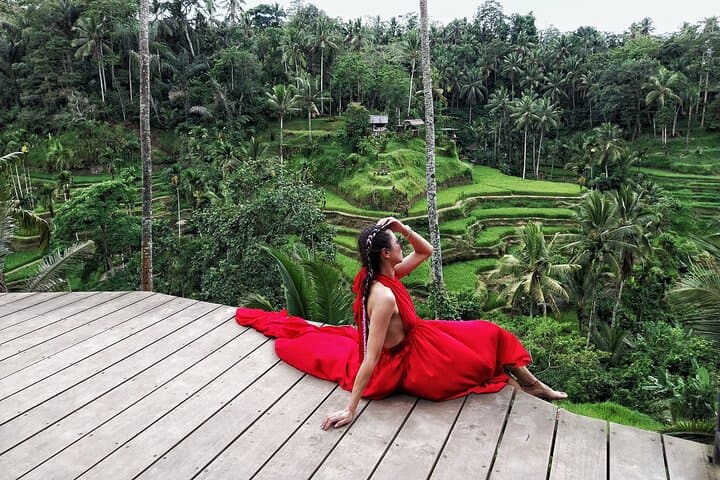
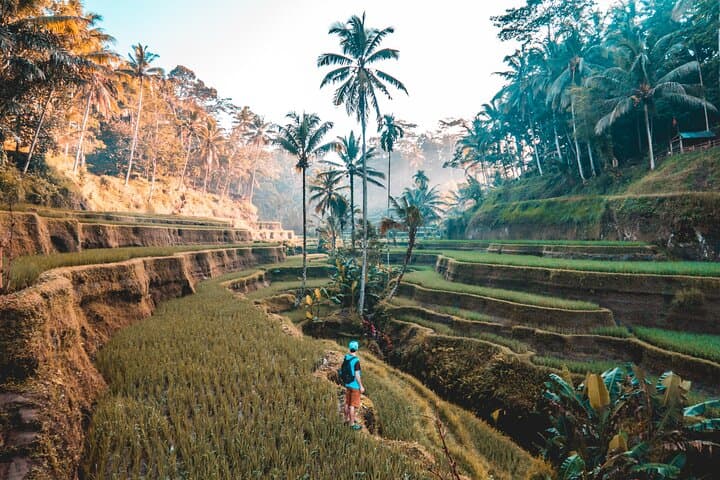
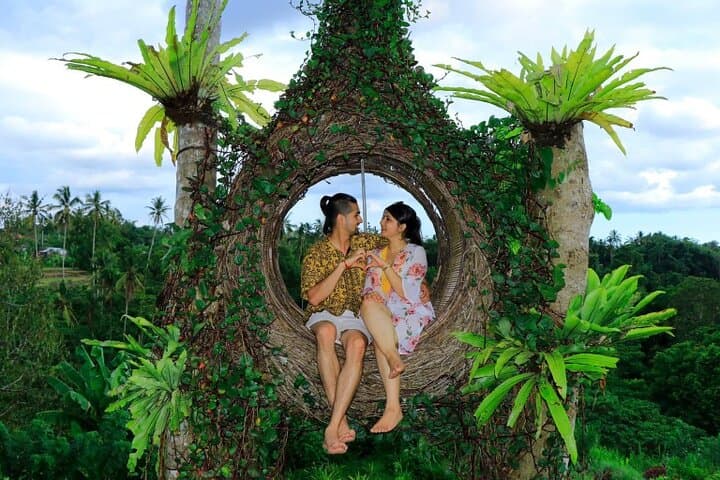
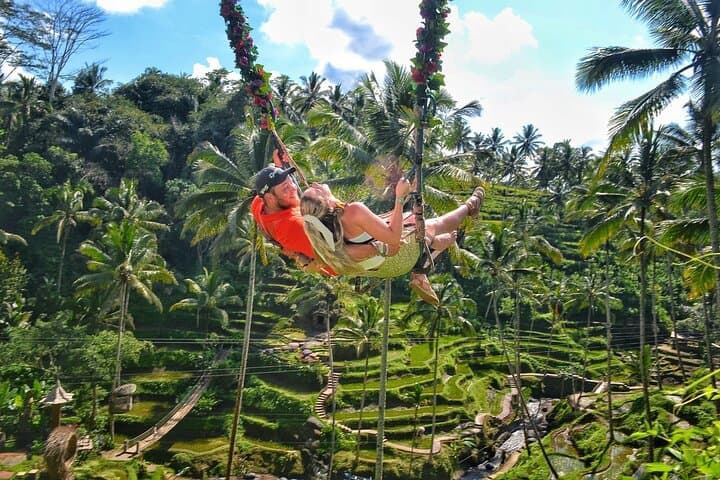
The day begins before the heat, as a cool motorbike-of-light breeze hums through the valleys north of Ubud and fields tilt like green stairs toward the sky. Your private driver threads narrow lanes past family compounds and artisans at work, and the first light finds the terraces at Tegalalang where irrigation channels trace ancient lines and the rice seems to lean forward to greet you.
The day begins before the heat, as a cool motorbike-of-light breeze hums through the valleys north of Ubud and fields tilt like green stairs toward the sky. Your private driver threads narrow lanes past family compounds and artisans at work, and the first light finds the terraces at Tegalalang where irrigation channels trace ancient lines and the rice seems to lean forward to greet you.
This route stitches together Bali’s layered history: the subak irrigation system that shaped Tegalalang is part communal water law, part agricultural engineering; Gunung Kawi’s carved shrines recall 11th-century kings and stone sculptors whose work survives in sheltered river gorges. Geologically, the area sits on volcanic soils that feed the paddies; the river at the temple cuts a cooler, rock-lined corridor where holy springs are drawn for purification rituals.
Culturally the trip is as much about people as place — Celuk’s silversmiths hammer traditional motifs while local guides explain offerings and temple etiquette. Expect a short, easy walk to a viewpoint above a small waterfall; the descent is brief but steep in spots, and the top offers a broad valley outlook rather than a cavernous plunge pool.
Practical notes: wear closed shoes with grip for uneven paths, bring sun protection and a light rain layer during the wet season, and carry small change for temple donations and local crafts. Plan for a full day (pickup through return) with comfortable transport and time to pause for photos or a coffee stop at a rice-edge cafe.