THE ADVENTURE COLLECTIVE® · Independent discovery and booking for outdoor travel

A single-day loop through Ubud that pairs playful macaques, rice-terrace panoramas and a tropical waterfall. This balanced tour mixes short walks, cultural stops and a plantation coffee tasting — ideal for travelers who want nature and local flavor in one day.
A single-day loop through Ubud that pairs playful macaques, rice-terrace panoramas and a tropical waterfall. This balanced tour mixes short walks, cultural stops and a plantation coffee tasting — ideal for travelers who want nature and local flavor in one day.
You step out of the van into warm Balinese air, palms brushing the light and the distant thud of a gamelan echoing from a temple — Ubud announces itself slowly, with small sounds and green slopes.
Verified experiences and guided adventures in the surrounding area.
Operated by See Bali Now · Ubud, Bali
You step out of the van into warm Balinese air, palms brushing the light and the distant thud of a gamelan echoing from a temple — Ubud announces itself slowly, with small sounds and green slopes.
Begin at the Sacred Monkey Forest Sanctuary where long-tailed macaques move like local hosts between mossy statues and old temples. The site sits on volcanic soils sculpted by centuries of temple-building and irrigated rice culture; the rhythms of water here are the same that shape Tegallalang’s stepped terraces further north.
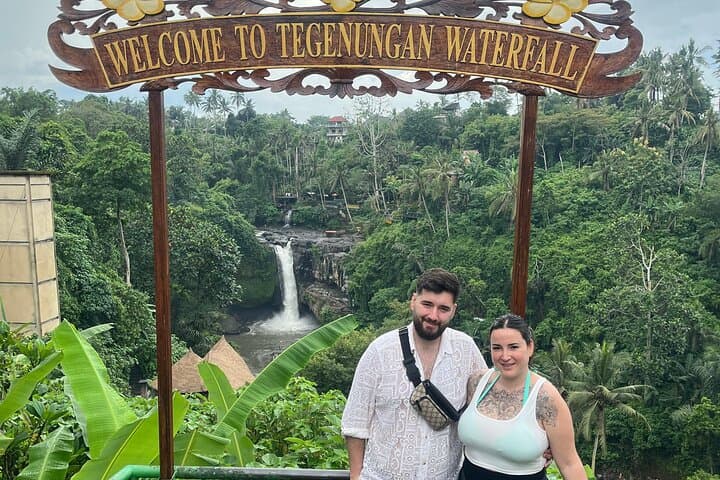
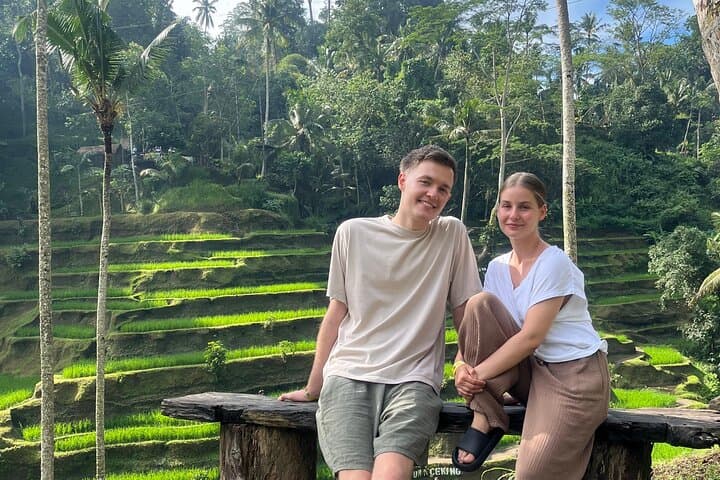
Tegallalang showcases traditional subak irrigation — stone terraces carved into a volcanic valley where farmers still hand-tend rice paddies. The landscape shifts again at Tegenungan, a curtain of water flowing from higher uplands, its limestone and andesite bedrock polished by seasonal runoff.
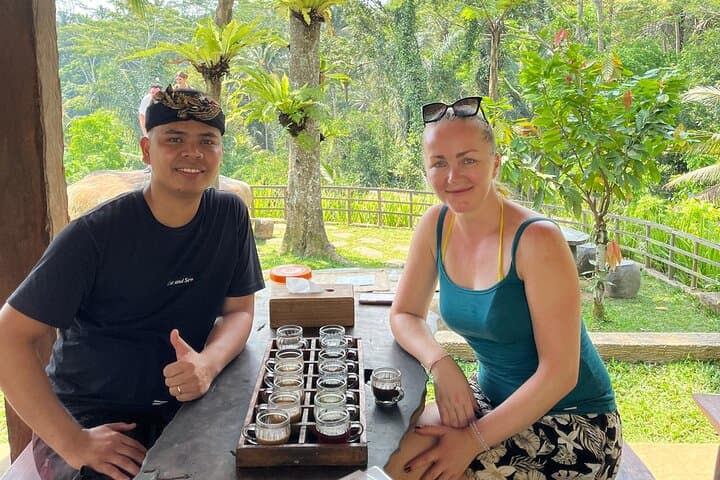
Culturally, Ubud is framed by Balinese Hindu ritual and village cooperatives; coffee farms nearby highlight local processing methods, from wet-hulling to traditional kopi luwak presentations. Expect a mix of soft forest walking, short stair descents at the waterfall, and photo stops on swing platforms that frame the valley.
Practical guidance: start early to beat heat and crowds, carry small change for entrance fees and tips, wear grippy shoes for wet steps, and keep electronics secured around monkeys. Hydrate and plan an 8–10 hour day to move comfortably between sites. Respect temple rules, don’t feed the macaques, and allow extra time for narrow roads — Ubud rewards patient travel with close-up culture and vivid green views.
easy.
8–10 hours.
Suitable for most fitness levels; you should be comfortable walking short distances, climbing stairs, and standing for photo stops.
Macaques are wild animals; they are generally curious rather than aggressive but will snatch food or loose items — follow your guide’s rules and avoid direct eye contact or feeding.
Yes — the itinerary is family-friendly, but parents should supervise children around monkeys and steep steps; stroller access is limited in some spots.
Yes, there is a swimming area when conditions are safe, but currents and depth vary; follow local signage and guide advice before entering the water.
Indonesian rupiah (IDR) is preferred; bring small notes and coins for entrance fees, local purchases and gratuities — card acceptance is limited at small vendors.
The Tegallalang terraces are part of Bali’s subak irrigation tradition linked to temple cooperatives; Ubud developed around royal courts and spiritual arts.
Tourism pressure and litter affect temple groves and terraces; follow local guidelines, avoid single-use plastics, and don’t feed wildlife to reduce human-wildlife conflict.
See Bali Now operates guided outdoor trips and adventures with an emphasis on safety, stewardship, and memorable experiences.
You step out of the van into warm Balinese air, palms brushing the light and the distant thud of a gamelan echoing from a temple — Ubud announces itself slowly, with small sounds and green slopes.
You step out of the van into warm Balinese air, palms brushing the light and the distant thud of a gamelan echoing from a temple — Ubud announces itself slowly, with small sounds and green slopes.
Begin at the Sacred Monkey Forest Sanctuary where long-tailed macaques move like local hosts between mossy statues and old temples. The site sits on volcanic soils sculpted by centuries of temple-building and irrigated rice culture; the rhythms of water here are the same that shape Tegallalang’s stepped terraces further north.
Tegallalang showcases traditional subak irrigation — stone terraces carved into a volcanic valley where farmers still hand-tend rice paddies. The landscape shifts again at Tegenungan, a curtain of water flowing from higher uplands, its limestone and andesite bedrock polished by seasonal runoff.
Culturally, Ubud is framed by Balinese Hindu ritual and village cooperatives; coffee farms nearby highlight local processing methods, from wet-hulling to traditional kopi luwak presentations. Expect a mix of soft forest walking, short stair descents at the waterfall, and photo stops on swing platforms that frame the valley.
Practical guidance: start early to beat heat and crowds, carry small change for entrance fees and tips, wear grippy shoes for wet steps, and keep electronics secured around monkeys. Hydrate and plan an 8–10 hour day to move comfortably between sites. Respect temple rules, don’t feed the macaques, and allow extra time for narrow roads — Ubud rewards patient travel with close-up culture and vivid green views.