THE ADVENTURE COLLECTIVE® · Independent discovery and booking for outdoor travel

Begin with a floating breakfast in jungle calm, then follow Ubud’s cultural highlights from the layered rice terraces of Tegalalang to cliff-cut shrines and the purification pools at Tirta Empul. This full-day tour blends scenery, history, and practical logistics for a stress-free cultural circuit.
Begin with a floating breakfast in jungle calm, then follow Ubud’s cultural highlights from the layered rice terraces of Tegalalang to cliff-cut shrines and the purification pools at Tirta Empul. This full-day tour blends scenery, history, and practical logistics for a stress-free cultural circuit.
You wake to humid jungle air and a low chorus of birds as a carved wooden tray drifts toward your table on a quiet pool—pandan pancakes, tropical fruit, and coffee steaming under a green canopy. The morning moves at a gentle pace: a private floating breakfast gives way to carved cliffs, layered rice paddies, and the clear run of a sacred spring.
Verified experiences and guided adventures in the surrounding area.
Operated by Angga's Hidden Bali · Ubud, Bali
You wake to humid jungle air and a low chorus of birds as a carved wooden tray drifts toward your table on a quiet pool—pandan pancakes, tropical fruit, and coffee steaming under a green canopy. The morning moves at a gentle pace: a private floating breakfast gives way to carved cliffs, layered rice paddies, and the clear run of a sacred spring.
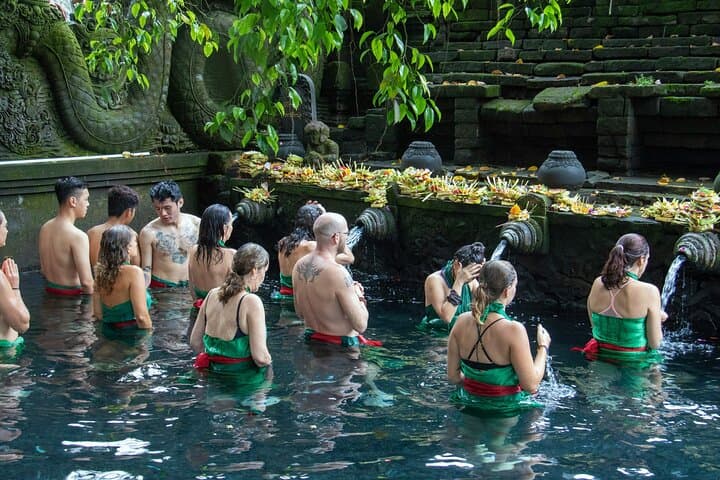
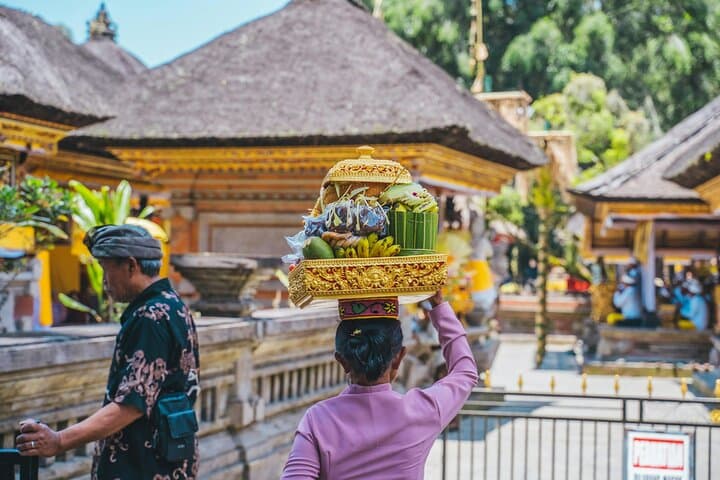
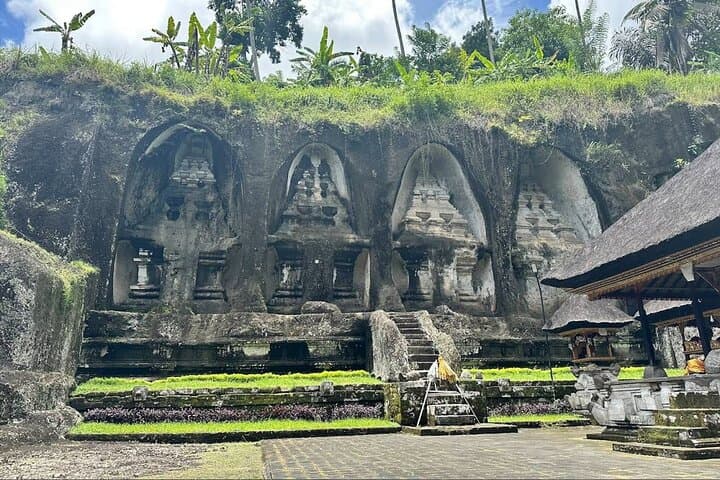
Ubud sits on volcanic soils shaped over millennia; terraces here are both agricultural engineering and cultural practice. The Tegalalang rice terraces highlight Bali’s subak irrigation system, managed communally since the 9th century, while Gunung Kawi’s rock-cut shrines date to the 11th century and reflect early Balinese Hindu kingdoms. Tirta Empul’s freshwater pools remain a living center for purification rites and local ceremony.
Expect easy walking between viewpoints, stepped trails edged by palms, and short paved lanes through villages where artisans still carve and weave. Guides will explain the subak system, offer safe viewing of temple rituals, and manage entrance logistics so you avoid long queues.
Practical edge: start early to beat the heat and crowds, bring sun protection and respectful clothing for temple visits (a sarong is usually provided but better to have your own). Carry cash for small entrance fees and local purchases, and keep water handy—the day is long (8–10 hours) though physically undemanding. Be mindful of monkeys at temple sites; they’re bold and curious. With a guide and an air-conditioned vehicle, this is a seamless way to pack Ubud’s layered culture into a single, manageable day.
easy.
8–10 hours.
Suitable for most fitness levels; involves short walks and stairs but no sustained hiking.
The full-day tour runs about 8–10 hours, typically including pickup and return to Ubud-area hotels.
Entrance fees listed in the itinerary are usually included; bring extra cash for optional offerings and donations.
Most operators can accommodate common dietary needs with advance notice—indicate restrictions when booking.
Yes—temple protocol requires covered legs and shoulders; many sites loan sarongs but bringing your own is more convenient.
The terraces reflect Bali’s subak cooperative irrigation system, a UNESCO-recognized practice; Gunung Kawi’s cliff shrines date to the 11th century and mark early royal devotion.
Tourism pressures fragile terraces and temple environs—stay on designated paths, avoid littering, and support local conservation fees when asked.
Angga's Hidden Bali operates guided outdoor trips and adventures with an emphasis on safety, stewardship, and memorable experiences.

You wake to humid jungle air and a low chorus of birds as a carved wooden tray drifts toward your table on a quiet pool—pandan pancakes, tropical fruit, and coffee steaming under a green canopy. The morning moves at a gentle pace: a private floating breakfast gives way to carved cliffs, layered rice paddies, and the clear run of a sacred spring.
You wake to humid jungle air and a low chorus of birds as a carved wooden tray drifts toward your table on a quiet pool—pandan pancakes, tropical fruit, and coffee steaming under a green canopy. The morning moves at a gentle pace: a private floating breakfast gives way to carved cliffs, layered rice paddies, and the clear run of a sacred spring.
Ubud sits on volcanic soils shaped over millennia; terraces here are both agricultural engineering and cultural practice. The Tegalalang rice terraces highlight Bali’s subak irrigation system, managed communally since the 9th century, while Gunung Kawi’s rock-cut shrines date to the 11th century and reflect early Balinese Hindu kingdoms. Tirta Empul’s freshwater pools remain a living center for purification rites and local ceremony.
Expect easy walking between viewpoints, stepped trails edged by palms, and short paved lanes through villages where artisans still carve and weave. Guides will explain the subak system, offer safe viewing of temple rituals, and manage entrance logistics so you avoid long queues.
Practical edge: start early to beat the heat and crowds, bring sun protection and respectful clothing for temple visits (a sarong is usually provided but better to have your own). Carry cash for small entrance fees and local purchases, and keep water handy—the day is long (8–10 hours) though physically undemanding. Be mindful of monkeys at temple sites; they’re bold and curious. With a guide and an air-conditioned vehicle, this is a seamless way to pack Ubud’s layered culture into a single, manageable day.