THE ADVENTURE COLLECTIVE® · Independent discovery and booking for outdoor travel

Spend a day moving from a thundering waterfall to a sacred temple, iconic rice terraces and the lively Monkey Forest around Ubud. This practical guide covers what to expect, cultural norms, and how to prepare for an active, full‑day tour.
Spend a day moving from a thundering waterfall to a sacred temple, iconic rice terraces and the lively Monkey Forest around Ubud. This practical guide covers what to expect, cultural norms, and how to prepare for an active, full‑day tour.
You step out of the van and the air changes—humid and green, heavy with wet soil and the sharp sweetness of frangipani. The day unfolds like a local map: first the roar of a waterfall daring you closer, then the quiet stone courtyards of a temple that hold offerings to the sky, terraces that fold across the hills, and the mischievous eyes of long‑tailed macaques in a reserved forest.
Verified experiences and guided adventures in the surrounding area.
Operated by Best Bali Things To Do · Ubud, Bali
You step out of the van and the air changes—humid and green, heavy with wet soil and the sharp sweetness of frangipani. The day unfolds like a local map: first the roar of a waterfall daring you closer, then the quiet stone courtyards of a temple that hold offerings to the sky, terraces that fold across the hills, and the mischievous eyes of long‑tailed macaques in a reserved forest.
Ubud sits in central Bali, a cultural hub whose rice terraces reflect centuries of subak cooperative irrigation and Hindu practice. Geologically the region is weathered volcanic highland—deep red soils and carved ravines channel water to stepped paddies. Temples here are living sites: expect incense, carved lintels, and community rituals woven into daily life.
Practical guidance: this is a full‑day, moderately paced sightseeing tour (about 8 hours). Trails at waterfalls and terraces can be uneven and slippery; solid footwear matters more than fashion. Temples require modest clothing—bring a sarong or rent one at the entrance, and remove shoes where requested. At the Monkey Forest, animals are curious and fast: secure loose items, avoid direct eye contact when they approach, and follow the guide’s instructions.
Timing matters—start early to beat depositions of tour buses and midday heat. Carry cash for entrance fees, tips, and local snacks; bottled water or a refillable bottle is essential. Respect local customs: photograph with permission near shrines and leave no trace in rice fields. This itinerary pairs active walking with cultural immersion—expect a day that moves from splash and rush to quiet, contemplative vistas.
moderate.
8 hours.
Suitable for travelers who can walk multiple short, uneven stretches and negotiate stairs; basic mobility required.
Options vary—some packages include entrance tickets and lunch as an "all inclusive" upgrade; check your booking details or carry small cash to pay on arrival.
Monkeys are wild—observe from a short distance, avoid feeding them, and follow the guide’s directions to minimize conflict and stress to the animals.
The tour is family-friendly but involves stairs and uneven terrain; it’s not recommended for travelers with serious back, heart, or mobility issues—check restrictions before booking.
Photography is usually allowed in temple grounds but avoid photographing worshippers during private rituals; always be respectful and ask if unsure.
The Ubud area grew as a cultural center under royal patronage in the 19th–20th centuries and integrates Bali’s Hindu temple traditions with age‑old rice‑cultivation methods (subak).
Rice terrace maintenance depends on traditional water management and community cooperation; visitors are asked to stay on paths, avoid littering and respect irrigation channels to reduce impact.
Best Bali Things To Do operates guided outdoor trips and adventures with an emphasis on safety, stewardship, and memorable experiences.
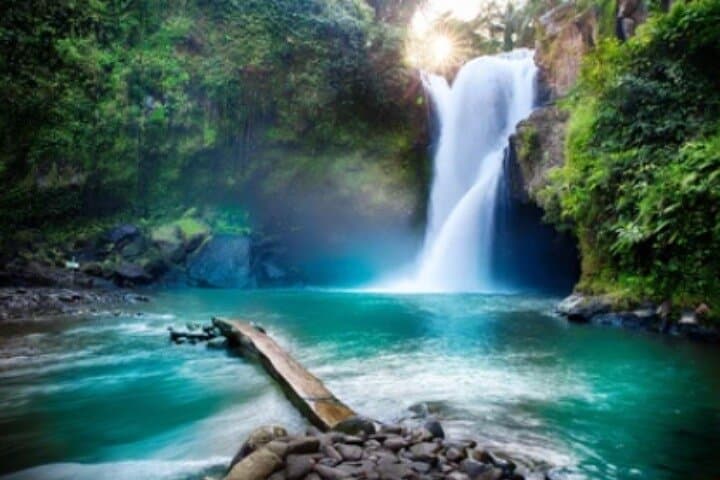
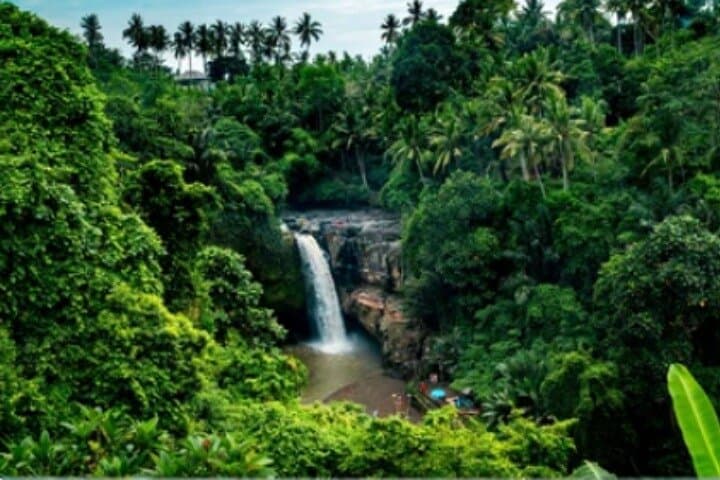
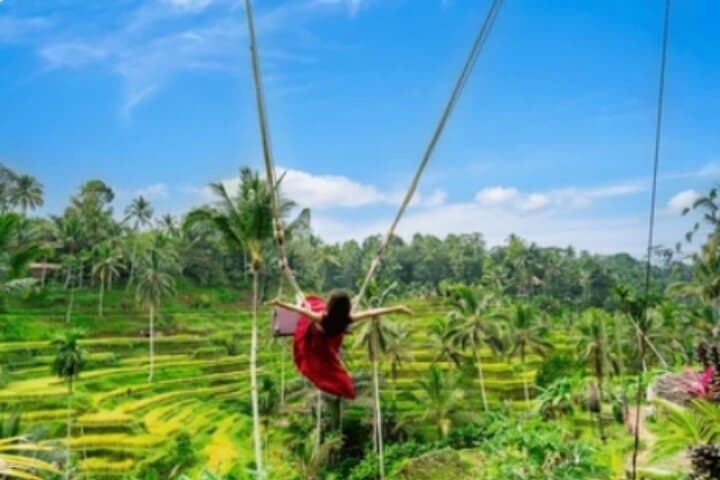
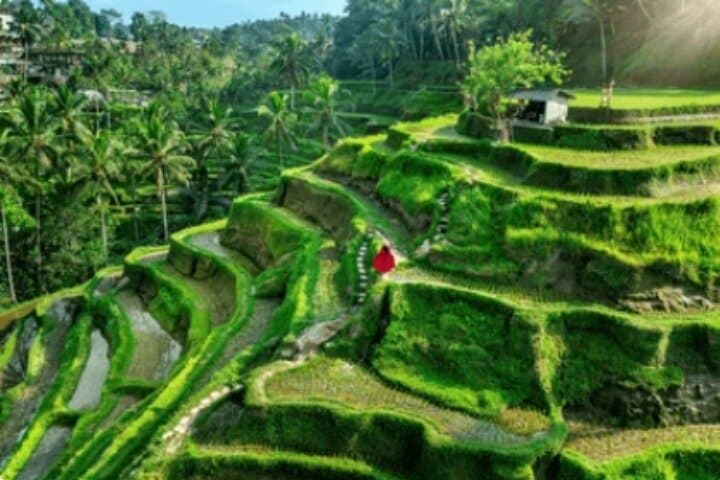
You step out of the van and the air changes—humid and green, heavy with wet soil and the sharp sweetness of frangipani. The day unfolds like a local map: first the roar of a waterfall daring you closer, then the quiet stone courtyards of a temple that hold offerings to the sky, terraces that fold across the hills, and the mischievous eyes of long‑tailed macaques in a reserved forest.
You step out of the van and the air changes—humid and green, heavy with wet soil and the sharp sweetness of frangipani. The day unfolds like a local map: first the roar of a waterfall daring you closer, then the quiet stone courtyards of a temple that hold offerings to the sky, terraces that fold across the hills, and the mischievous eyes of long‑tailed macaques in a reserved forest.
Ubud sits in central Bali, a cultural hub whose rice terraces reflect centuries of subak cooperative irrigation and Hindu practice. Geologically the region is weathered volcanic highland—deep red soils and carved ravines channel water to stepped paddies. Temples here are living sites: expect incense, carved lintels, and community rituals woven into daily life.
Practical guidance: this is a full‑day, moderately paced sightseeing tour (about 8 hours). Trails at waterfalls and terraces can be uneven and slippery; solid footwear matters more than fashion. Temples require modest clothing—bring a sarong or rent one at the entrance, and remove shoes where requested. At the Monkey Forest, animals are curious and fast: secure loose items, avoid direct eye contact when they approach, and follow the guide’s instructions.
Timing matters—start early to beat depositions of tour buses and midday heat. Carry cash for entrance fees, tips, and local snacks; bottled water or a refillable bottle is essential. Respect local customs: photograph with permission near shrines and leave no trace in rice fields. This itinerary pairs active walking with cultural immersion—expect a day that moves from splash and rush to quiet, contemplative vistas.