THE ADVENTURE COLLECTIVE® · Independent discovery and booking for outdoor travel

Spend a private day around Ubud visiting Tirta Empul’s holy spring, the UNESCO-linked rice terraces, playful monkeys in a sacred forest, and the plunge pool at Tegenungan waterfall. This full-day tour mixes culture, short walks, and scenic stops with local food and coffee tastings.
Spend a private day around Ubud visiting Tirta Empul’s holy spring, the UNESCO-linked rice terraces, playful monkeys in a sacred forest, and the plunge pool at Tegenungan waterfall. This full-day tour mixes culture, short walks, and scenic stops with local food and coffee tastings.
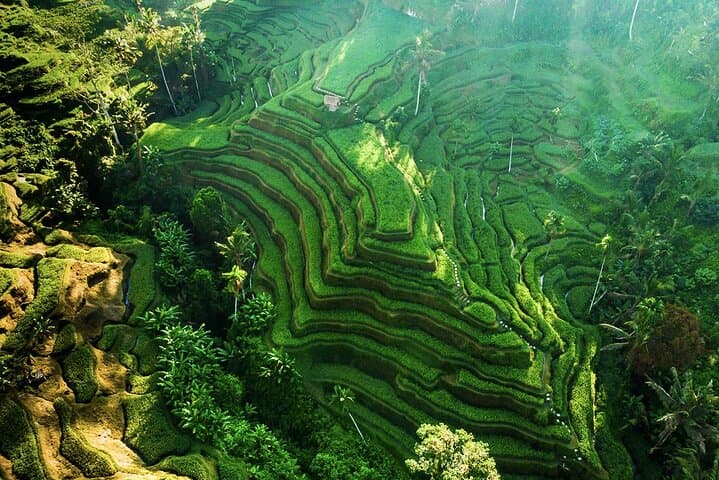
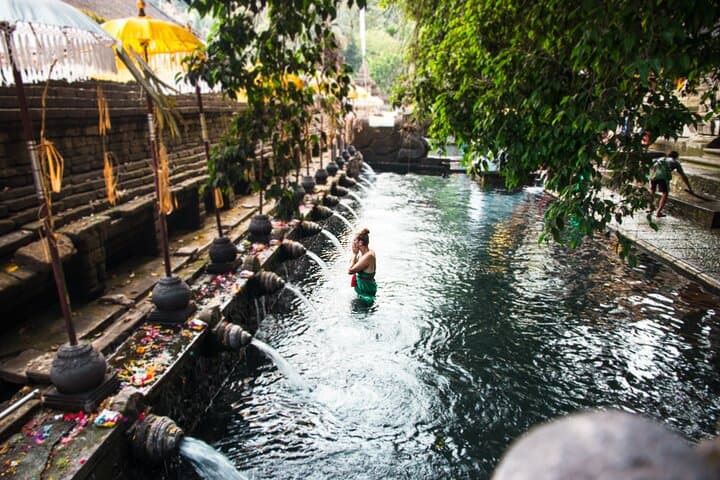
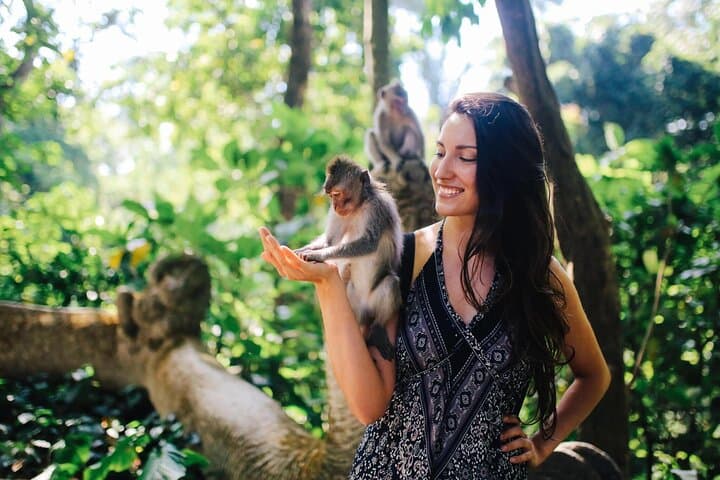
Morning light spills over emerald rice steps as your driver eases out of Ubud’s narrow lanes. Monkeys chatter in a shaded forest that smells of damp leaf mold and incense, while terraces to the north ripple like green waves across a hillside. By afternoon the Tirta Empul pools glitter—steamless, sacred water that invites quiet reflection and the slow, deliberate motions of Balinese purification.
Verified experiences and guided adventures in the surrounding area.
Operated by Baliezy · Ubud, Bali
Morning light spills over emerald rice steps as your driver eases out of Ubud’s narrow lanes. Monkeys chatter in a shaded forest that smells of damp leaf mold and incense, while terraces to the north ripple like green waves across a hillside. By afternoon the Tirta Empul pools glitter—steamless, sacred water that invites quiet reflection and the slow, deliberate motions of Balinese purification.
This loop of sites ties together centuries of culture and geology. The rice terraces owe their shape to volcanic soils and the island’s Subak cooperative irrigation system—an agricultural practice recognized by UNESCO—while Tirta Empul has been a pilgrimage site for centuries, threaded through with local legend and ritual. Tegenungan falls cuts through basalt and volcanic ash deposits, plunging into a cool pool that visitors sometimes brave on hot days. Scattered plantations between sights produce the island’s famed coffees, including small-lot civet varieties sampled during many tours.
Practical notes: most operators run 8–10 hour private tours with hotel pickup in an air-conditioned vehicle and a guide who handles tickets and photo stops. Dress modestly for temple visits—shoulders and knees covered—and bring swimwear if you plan to enter the waterfall pool. Footwear should handle mud and uneven paths; bring sun protection and insect repellent. Expect light walking at each site, short stairs at Tirta Empul, and slippery steps near viewpoints.
Timing matters: start early to avoid crowds at Monkey Forest and the terraces, and keep cash for small donations, market purchases, and local snacks. Respect feeding rules around the macaques and let the landscape set its own pace—Bali’s rhythms are slow, insistent, and surprisingly direct.
easy.
8–10 hours.
Light activity: suitable for most fitness levels with short walks and some stairs; able to stand and walk for up to 90 minutes at individual sites.
Most private Ubud day tours include entrance fees for scheduled stops and a set lunch; check your booking details for specific inclusions.
Yes—this itinerary is labeled easy and family-friendly; infants should sit on laps in the vehicle and supervisors should watch children around monkeys and water.
Swimming is often allowed in the pool but conditions vary with rainfall; follow local guidance and avoid swimming after heavy rains due to stronger currents.
Expect short walks (10–30 minutes) at each site with some stairs and uneven ground; no technical hiking is required.
The Subak cooperative irrigation system shaped the terraced landscapes over centuries, and Tirta Empul has been a center for Balinese purification rituals for many generations.
Monkey Forest is managed as a conservation and cultural site with rules to limit feeding and harassment; visitors are asked to minimize plastic and stay on designated paths to protect fragile terraces.
Baliezy operates guided outdoor trips and adventures with an emphasis on safety, stewardship, and memorable experiences.

Morning light spills over emerald rice steps as your driver eases out of Ubud’s narrow lanes. Monkeys chatter in a shaded forest that smells of damp leaf mold and incense, while terraces to the north ripple like green waves across a hillside. By afternoon the Tirta Empul pools glitter—steamless, sacred water that invites quiet reflection and the slow, deliberate motions of Balinese purification.
Morning light spills over emerald rice steps as your driver eases out of Ubud’s narrow lanes. Monkeys chatter in a shaded forest that smells of damp leaf mold and incense, while terraces to the north ripple like green waves across a hillside. By afternoon the Tirta Empul pools glitter—steamless, sacred water that invites quiet reflection and the slow, deliberate motions of Balinese purification.
This loop of sites ties together centuries of culture and geology. The rice terraces owe their shape to volcanic soils and the island’s Subak cooperative irrigation system—an agricultural practice recognized by UNESCO—while Tirta Empul has been a pilgrimage site for centuries, threaded through with local legend and ritual. Tegenungan falls cuts through basalt and volcanic ash deposits, plunging into a cool pool that visitors sometimes brave on hot days. Scattered plantations between sights produce the island’s famed coffees, including small-lot civet varieties sampled during many tours.
Practical notes: most operators run 8–10 hour private tours with hotel pickup in an air-conditioned vehicle and a guide who handles tickets and photo stops. Dress modestly for temple visits—shoulders and knees covered—and bring swimwear if you plan to enter the waterfall pool. Footwear should handle mud and uneven paths; bring sun protection and insect repellent. Expect light walking at each site, short stairs at Tirta Empul, and slippery steps near viewpoints.
Timing matters: start early to avoid crowds at Monkey Forest and the terraces, and keep cash for small donations, market purchases, and local snacks. Respect feeding rules around the macaques and let the landscape set its own pace—Bali’s rhythms are slow, insistent, and surprisingly direct.