THE ADVENTURE COLLECTIVE® · Independent discovery and booking for outdoor travel

Spend a day circling Ubud’s most compelling sights: Tegenungan Waterfall, Kemenuh artisans, the sacred pools of Tirta Empul, coffee tasting and the Tegalalang rice terraces. This five-to-seven-hour private tour blends landscape, culture and hands-on experiences.
Spend a day circling Ubud’s most compelling sights: Tegenungan Waterfall, Kemenuh artisans, the sacred pools of Tirta Empul, coffee tasting and the Tegalalang rice terraces. This five-to-seven-hour private tour blends landscape, culture and hands-on experiences.
Morning light breaks over carved rice steps as your driver threads narrow lanes toward Ubud. The air tastes of damp earth and roasted coffee; the first stop is Tegenungan, where a river has cut through volcanic rock and a constant mist dares you closer to the falls. From there the route moves through Kemenuh’s artisan lanes—wood carvers chiseling scenes you can buy by the roadside—before the ritual hush of Tirta Empul, where pools have been used for spiritual purification for centuries.
Verified experiences and guided adventures in the surrounding area.
Operated by Agus Indrawan · Ubud, Bali
Morning light breaks over carved rice steps as your driver threads narrow lanes toward Ubud. The air tastes of damp earth and roasted coffee; the first stop is Tegenungan, where a river has cut through volcanic rock and a constant mist dares you closer to the falls. From there the route moves through Kemenuh’s artisan lanes—wood carvers chiseling scenes you can buy by the roadside—before the ritual hush of Tirta Empul, where pools have been used for spiritual purification for centuries.
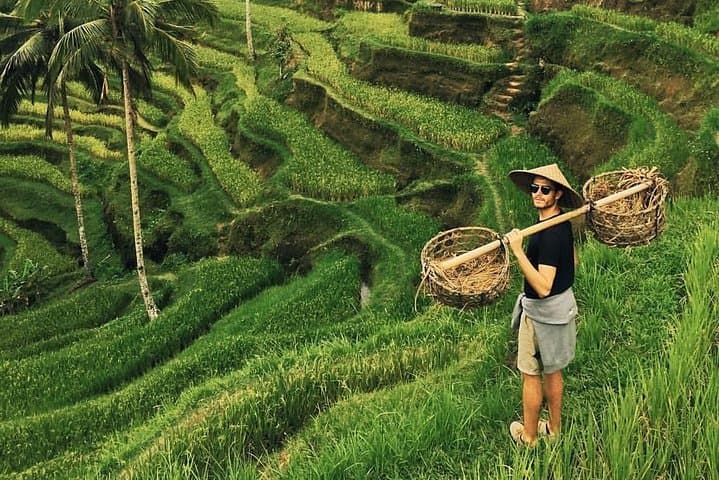
Geology here is volcanic: lava flows and rich andesite soils created the ridged terraces at Tegalalang and the waterfalls that feed them. The Subak irrigation system—organized by farmers for generations—still shapes the terraces you’ll walk beside. Cultural notes are immediate: Tirta Empul dates back to the 10th century and enforces temple etiquette; women who are menstruating are traditionally not permitted to enter the purification area.
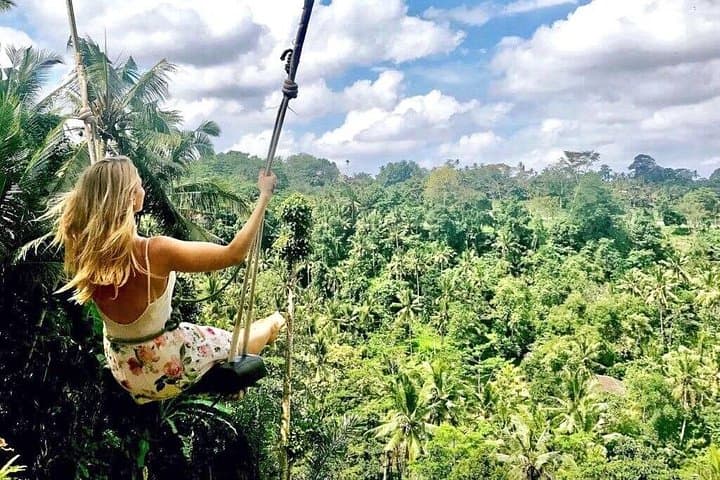
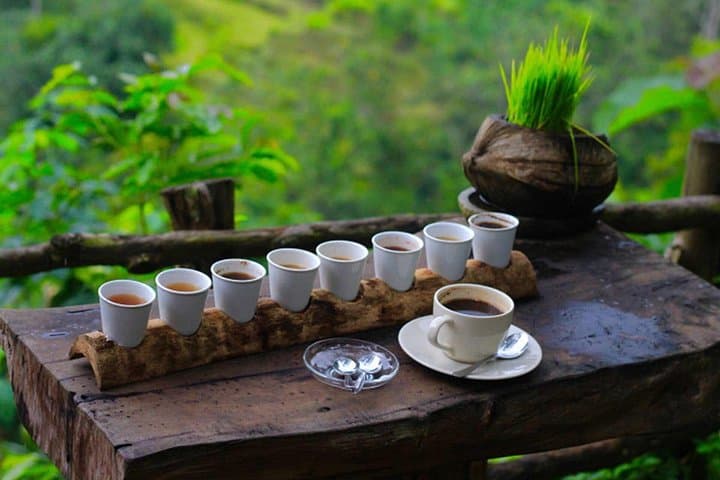
Practically, plan a 5–7 hour day that starts 07:00–08:00 to dodge heat and crowds. Bring a sarong/sash for the temple (often rentable), sturdy, quick-dry shoes for uneven trails and slippery steps, and cash for entrance fees, the swing, and lunch—those are usually not included. Expect light walking, many steps, and short photo stops; the coffee tasting at Bali Pulina offers a seated pause and local flavors. Pickup from Ubud is standard; notify your pickup point in advance. Respect local customs, stick to marked paths across rice terraces, and carry a lightweight rain layer in the wet season.
easy.
5–7 hours.
Light activity; good for travelers who can manage stairs and short walks over uneven ground
Most park and temple entrance fees, plus the Bali Pulina swing and lunch, are not included—bring cash to pay onsite or confirm inclusions before booking.
Pickup from central Ubud is typically included; confirm your exact pickup point when you book and expect a shared/private vehicle depending on your selection.
Local custom generally prohibits menstruating women from participating in the purification pools; they may still visit temple grounds but should avoid the ritual bathing areas.
The tour is rated easy but involves stairs and uneven surfaces; it’s not recommended for travelers with serious back, heart or mobility issues.
Tirta Empul was established around the 10th century during Bali’s Warmadewa period; the Subak irrigation system has governed rice farming here for centuries.
Stay on marked paths across rice fields to protect irrigation channels and replanting efforts; support local artisans directly and minimize single-use plastics.
Agus Indrawan operates guided outdoor trips and adventures with an emphasis on safety, stewardship, and memorable experiences.

Morning light breaks over carved rice steps as your driver threads narrow lanes toward Ubud. The air tastes of damp earth and roasted coffee; the first stop is Tegenungan, where a river has cut through volcanic rock and a constant mist dares you closer to the falls. From there the route moves through Kemenuh’s artisan lanes—wood carvers chiseling scenes you can buy by the roadside—before the ritual hush of Tirta Empul, where pools have been used for spiritual purification for centuries.
Morning light breaks over carved rice steps as your driver threads narrow lanes toward Ubud. The air tastes of damp earth and roasted coffee; the first stop is Tegenungan, where a river has cut through volcanic rock and a constant mist dares you closer to the falls. From there the route moves through Kemenuh’s artisan lanes—wood carvers chiseling scenes you can buy by the roadside—before the ritual hush of Tirta Empul, where pools have been used for spiritual purification for centuries.
Geology here is volcanic: lava flows and rich andesite soils created the ridged terraces at Tegalalang and the waterfalls that feed them. The Subak irrigation system—organized by farmers for generations—still shapes the terraces you’ll walk beside. Cultural notes are immediate: Tirta Empul dates back to the 10th century and enforces temple etiquette; women who are menstruating are traditionally not permitted to enter the purification area.
Practically, plan a 5–7 hour day that starts 07:00–08:00 to dodge heat and crowds. Bring a sarong/sash for the temple (often rentable), sturdy, quick-dry shoes for uneven trails and slippery steps, and cash for entrance fees, the swing, and lunch—those are usually not included. Expect light walking, many steps, and short photo stops; the coffee tasting at Bali Pulina offers a seated pause and local flavors. Pickup from Ubud is standard; notify your pickup point in advance. Respect local customs, stick to marked paths across rice terraces, and carry a lightweight rain layer in the wet season.