THE ADVENTURE COLLECTIVE® · Independent discovery and booking for outdoor travel

Spend a day moving from temple forest to waterfall and rice terraces around Ubud. This guided loop combines monkey encounters, a plunging waterfall, and classic Balinese irrigation scenery with practical stops for crafts and lunch.
Spend a day moving from temple forest to waterfall and rice terraces around Ubud. This guided loop combines monkey encounters, a plunging waterfall, and classic Balinese irrigation scenery with practical stops for crafts and lunch.
You step out of an air‑conditioned car into a humid, green pocket of Bali: motor scooters hum on the distance, and a troop of long‑tailed macaques loiters in the shade as the guide opens the gate to the Sacred Monkey Forest. The morning light filters through tall banyan and teak, monkeys chittering as they leap between roots and temple stones.
Verified experiences and guided adventures in the surrounding area.
Operated by Rukmana Bali Tour · Ubud, Bali
You step out of an air‑conditioned car into a humid, green pocket of Bali: motor scooters hum on the distance, and a troop of long‑tailed macaques loiters in the shade as the guide opens the gate to the Sacred Monkey Forest. The morning light filters through tall banyan and teak, monkeys chittering as they leap between roots and temple stones.
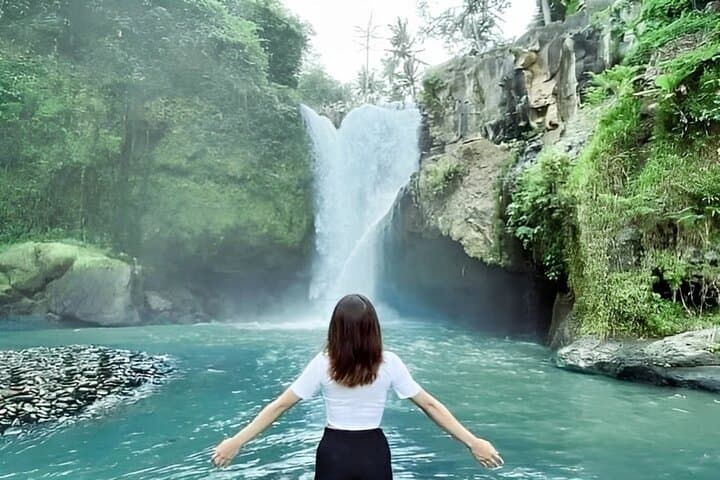
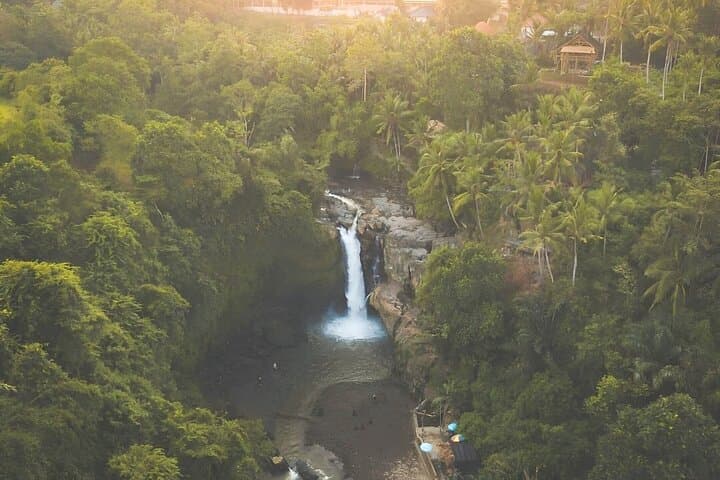
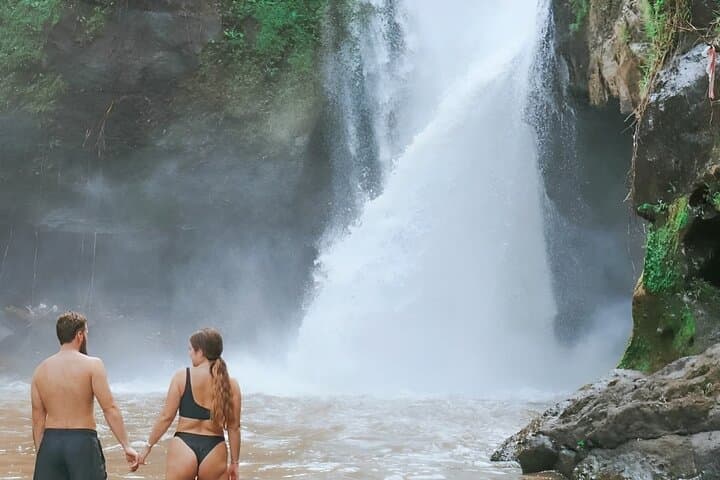
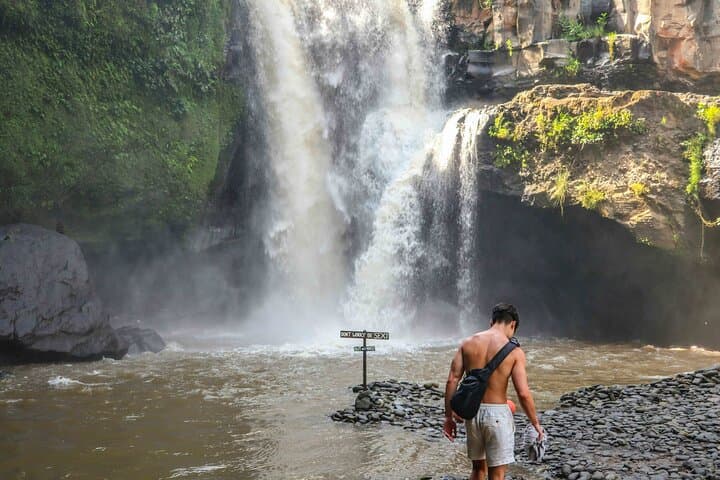
This full‑day circuit stitches together Ubud’s cultural core and its surrounding landscapes. The Monkey Forest is an active temple complex with carved shrines and mossed statues—religious and ecological significance have overlapped here for centuries. Tegenungan Waterfall, with its roughly 20‑meter drop, sits on volcanic terrain where water has scoured basalt and river rock into a plunge pool that dares you to cool off. The rice terraces near Tegallalang reveal Bali’s subak irrigation system—centuries‑old cooperative engineering that shapes steep slopes into neat contours.
Expect a blend of short walks, photo stops, and cultural stops (including local craft and souvenir stalls). The day is practical: entrance fees vary by site, surfaces range from stone steps to muddy paths, and the climate is tropical—hot and damp by midday. Bring secure footwear for uneven steps, cash for small entry fees and offerings, and a lightweight rain layer during the wet season.
Plan to start early to avoid crowds and heat, keep belongings zipped around monkeys, and allow time for a relaxed lunch in Ubud town. This loop balances wildlife encounters, a splash of adventure at the waterfall, and a clear window into Bali’s agrarian and temple traditions.
easy.
8–10 hours.
Suitable for travelers in average physical condition; involves short walks, stairs, and uneven ground.
Most operators exclude site entrance fees; bring cash for the Monkey Forest, Tegenungan, and some terrace viewpoints.
Monkeys are wild—observe from a distance, avoid feeding unless supervised, and keep valuables stowed to prevent bites or theft.
Yes—sites have stairs and uneven paths; the itinerary is low‑impact but requires careful footing and moderate mobility.
Visa requirements depend on your nationality; check Indonesia entry rules before travel—this tour operator does not handle visas.
Ubud grew as an arts and cultural center in the 20th century; the subak irrigation around Tegallalang reflects a centuries‑old cooperative system central to Balinese Hindu agriculture.
The Monkey Forest is managed as a conservation and cultural complex balancing tourism with temple functions; visitors are encouraged to minimize litter and avoid feeding wildlife.
Rukmana Bali Tour operates guided outdoor trips and adventures with an emphasis on safety, stewardship, and memorable experiences.
You step out of an air‑conditioned car into a humid, green pocket of Bali: motor scooters hum on the distance, and a troop of long‑tailed macaques loiters in the shade as the guide opens the gate to the Sacred Monkey Forest. The morning light filters through tall banyan and teak, monkeys chittering as they leap between roots and temple stones.
You step out of an air‑conditioned car into a humid, green pocket of Bali: motor scooters hum on the distance, and a troop of long‑tailed macaques loiters in the shade as the guide opens the gate to the Sacred Monkey Forest. The morning light filters through tall banyan and teak, monkeys chittering as they leap between roots and temple stones.
This full‑day circuit stitches together Ubud’s cultural core and its surrounding landscapes. The Monkey Forest is an active temple complex with carved shrines and mossed statues—religious and ecological significance have overlapped here for centuries. Tegenungan Waterfall, with its roughly 20‑meter drop, sits on volcanic terrain where water has scoured basalt and river rock into a plunge pool that dares you to cool off. The rice terraces near Tegallalang reveal Bali’s subak irrigation system—centuries‑old cooperative engineering that shapes steep slopes into neat contours.
Expect a blend of short walks, photo stops, and cultural stops (including local craft and souvenir stalls). The day is practical: entrance fees vary by site, surfaces range from stone steps to muddy paths, and the climate is tropical—hot and damp by midday. Bring secure footwear for uneven steps, cash for small entry fees and offerings, and a lightweight rain layer during the wet season.
Plan to start early to avoid crowds and heat, keep belongings zipped around monkeys, and allow time for a relaxed lunch in Ubud town. This loop balances wildlife encounters, a splash of adventure at the waterfall, and a clear window into Bali’s agrarian and temple traditions.