THE ADVENTURE COLLECTIVE® · Independent discovery and booking for outdoor travel

Pack a daypack and a sense of curiosity: this full‑day Ubud loop pairs playful macaques, rice‑terrace panoramas and a sacred spring. The tour is a practical, walkable way to see Ubud’s cultural and natural highlights in one day.
Pack a daypack and a sense of curiosity: this full‑day Ubud loop pairs playful macaques, rice‑terrace panoramas and a sacred spring. The tour is a practical, walkable way to see Ubud’s cultural and natural highlights in one day.
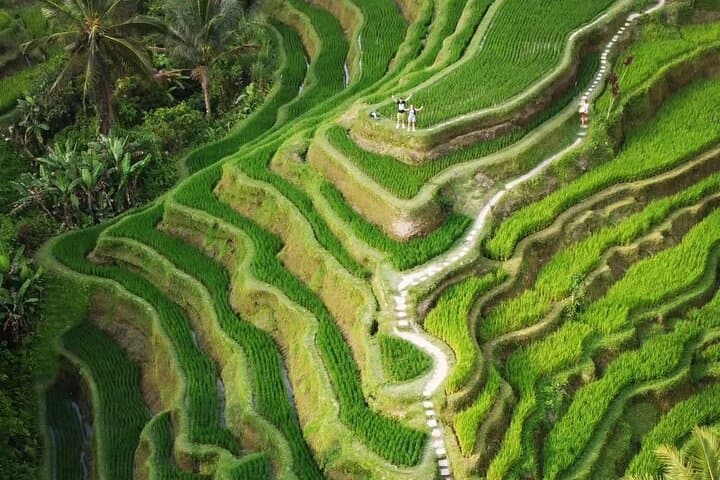
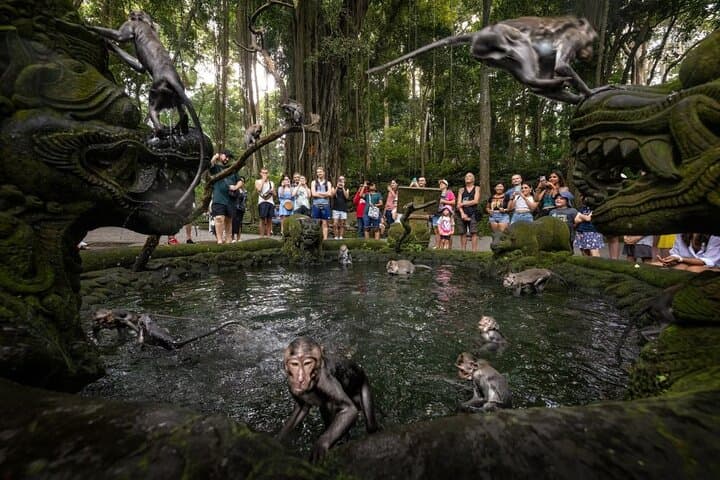
You step out of an air‑conditioned van into the humid green of central Bali — a chorus of birds, the quick rustle of long‑tailed macaques and the distant thunder of water. The day moves in chapters: a shaded walk through the Monkey Forest, the carved walls of Ubud Palace, the market’s pulse, the stepped geometry of Tegalalang, a purifying dip at Tirta Empul and the spray of Tegenungan Waterfall.
Verified experiences and guided adventures in the surrounding area.
Operated by Rahayu Bali Tour · Ubud, Bali
You step out of an air‑conditioned van into the humid green of central Bali — a chorus of birds, the quick rustle of long‑tailed macaques and the distant thunder of water. The day moves in chapters: a shaded walk through the Monkey Forest, the carved walls of Ubud Palace, the market’s pulse, the stepped geometry of Tegalalang, a purifying dip at Tirta Empul and the spray of Tegenungan Waterfall.
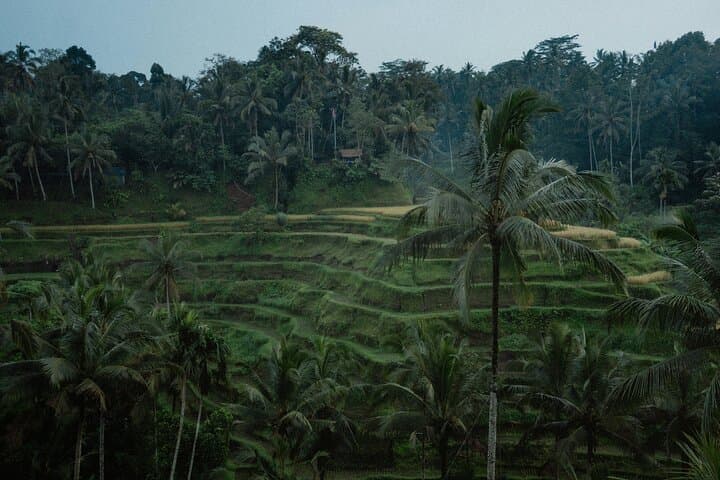
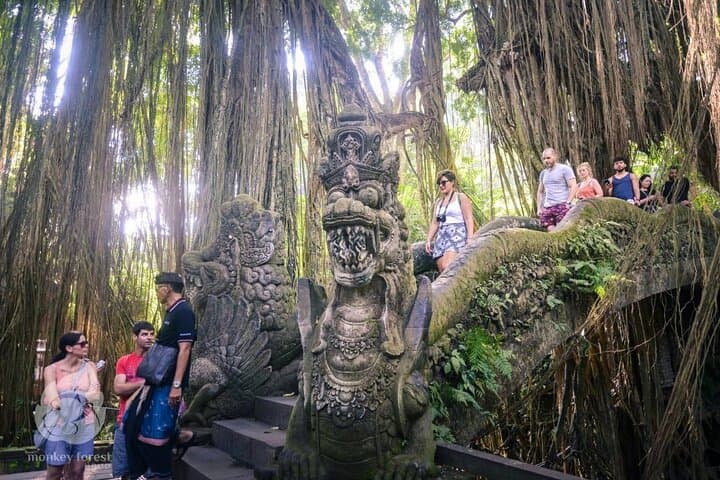
Ubud sits at the cultural heart of Bali. The Monkey Forest is a protected temple complex home to several hundred macaques and three ancient shrines; Tegalalang showcases the island’s cooperative subak irrigation that has shaped these terraces for centuries. Tirta Empul traces its religious role back to the island’s royal courts; its spring is still used for ritual cleansing. Tegenungan’s basalt brink and plunge pool are reminders of Bali’s volcanic geology and the river systems that cut through it.
Expect light walking at each stop — generally 15–60 minute strolls on stone paths, steps and uneven terrain. Bring modest clothing for temple visits, secure valuables around monkeys, and plan for midday humidity. Photography is rewarding but intrusive behavior toward wildlife and worshippers is discouraged.
Practical tips: the full itinerary takes roughly eight hours with round‑trip transfers included from many Bali locations. The route is suitable for most fitness levels but involves stairs and short descents at natural sites. Hydrate, wear grippy shoes, carry some local currency for small purchases, and allow time to savor quiet viewpoints between the photo moments.
easy.
8 hours.
Suitable for most fitness levels; expect short walks, stairs and uneven surfaces; able to walk 1–3 miles over the day.
This is a full‑day excursion of about eight hours, including transfers and time at each attraction.
The tour lists entry fees included for several sites; check the booking details for any optional or extra activities.
Yes—guests may join the ritual; wear modest clothing and follow your guide’s instructions for respectful participation.
Yes; the tour is rated easy with short walks, but it involves stairs and uneven terrain so mobility considerations apply.
Ubud evolved as a royal arts center; sites like Tirta Empul date back centuries and reflect Bali’s Hindu traditions and the island’s subak irrigation heritage.
Follow guidance on wildlife interactions—do not feed monkeys and avoid single‑use plastics; supporting local guides and shops helps sustain community tourism.
Rahayu Bali Tour operates guided outdoor trips and adventures with an emphasis on safety, stewardship, and memorable experiences.
You step out of an air‑conditioned van into the humid green of central Bali — a chorus of birds, the quick rustle of long‑tailed macaques and the distant thunder of water. The day moves in chapters: a shaded walk through the Monkey Forest, the carved walls of Ubud Palace, the market’s pulse, the stepped geometry of Tegalalang, a purifying dip at Tirta Empul and the spray of Tegenungan Waterfall.
You step out of an air‑conditioned van into the humid green of central Bali — a chorus of birds, the quick rustle of long‑tailed macaques and the distant thunder of water. The day moves in chapters: a shaded walk through the Monkey Forest, the carved walls of Ubud Palace, the market’s pulse, the stepped geometry of Tegalalang, a purifying dip at Tirta Empul and the spray of Tegenungan Waterfall.
Ubud sits at the cultural heart of Bali. The Monkey Forest is a protected temple complex home to several hundred macaques and three ancient shrines; Tegalalang showcases the island’s cooperative subak irrigation that has shaped these terraces for centuries. Tirta Empul traces its religious role back to the island’s royal courts; its spring is still used for ritual cleansing. Tegenungan’s basalt brink and plunge pool are reminders of Bali’s volcanic geology and the river systems that cut through it.
Expect light walking at each stop — generally 15–60 minute strolls on stone paths, steps and uneven terrain. Bring modest clothing for temple visits, secure valuables around monkeys, and plan for midday humidity. Photography is rewarding but intrusive behavior toward wildlife and worshippers is discouraged.
Practical tips: the full itinerary takes roughly eight hours with round‑trip transfers included from many Bali locations. The route is suitable for most fitness levels but involves stairs and short descents at natural sites. Hydrate, wear grippy shoes, carry some local currency for small purchases, and allow time to savor quiet viewpoints between the photo moments.