THE ADVENTURE COLLECTIVE® · Independent discovery and booking for outdoor travel

Spend a day moving between Ubud’s living forest of macaques, the sculpted tiers of Tegalalang rice terraces, the cleansing springs of Tirta Empul, and a bucket‑list jungle swing. This guide outlines what to expect and how to prepare for the full‑day loop.
Spend a day moving between Ubud’s living forest of macaques, the sculpted tiers of Tegalalang rice terraces, the cleansing springs of Tirta Empul, and a bucket‑list jungle swing. This guide outlines what to expect and how to prepare for the full‑day loop.
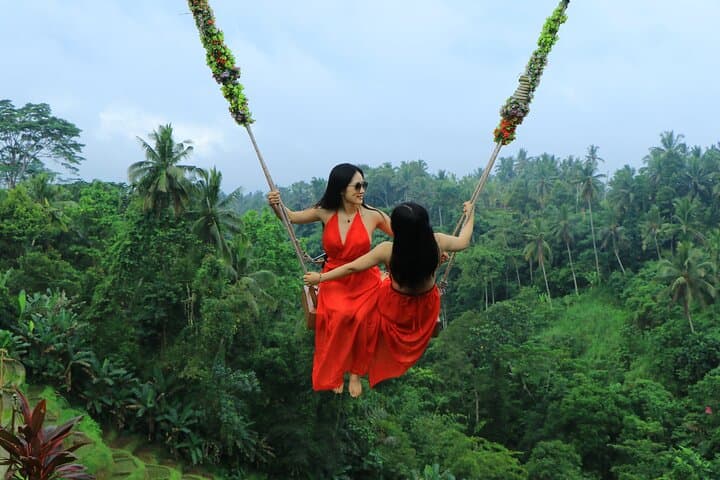
You step out of an air-conditioned car into a humid Balinese morning. Frangipani perfumes the air and a chorus of birds threads through the trees; somewhere ahead water gurgles and a group of long‑tailed macaques moves like a restless audience. This day tour strings together Ubud’s most immediate encounters with nature and culture—rock temples fed by holy springs, carved rice paddies climbing a steep valley, a waterfall that roars against jungle walls, and the adrenaline flicker of a jungle swing over terraced fields.
Verified experiences and guided adventures in the surrounding area.
Operated by Bali Endey Tours · Ubud, Bali
You step out of an air-conditioned car into a humid Balinese morning. Frangipani perfumes the air and a chorus of birds threads through the trees; somewhere ahead water gurgles and a group of long‑tailed macaques moves like a restless audience. This day tour strings together Ubud’s most immediate encounters with nature and culture—rock temples fed by holy springs, carved rice paddies climbing a steep valley, a waterfall that roars against jungle walls, and the adrenaline flicker of a jungle swing over terraced fields.
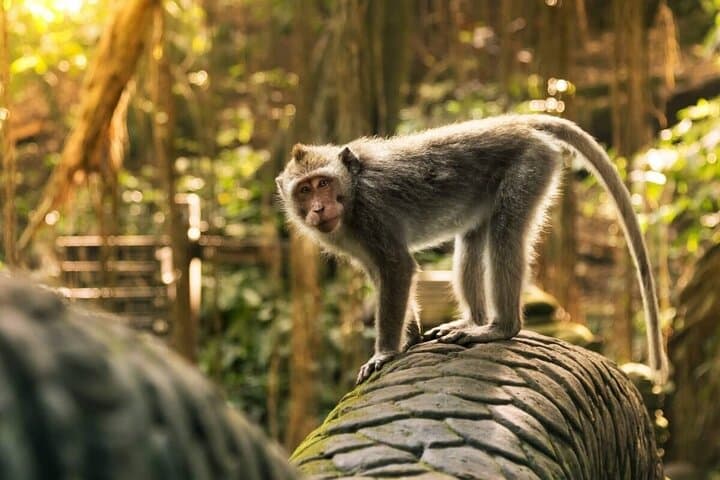
Tirta Empul’s springs are living history: a 10th‑century fountain complex where Balinese purification rituals are still practiced. The terraces at Tegalalang illustrate the subak cooperative irrigation system that shaped rice farming across Bali. Tegenungan’s waterfall cuts through volcanic bedrock, while the Monkey Forest preserves centuries‑old temples inside a 12.5‑hectare upland forest where macaques roam.
Practically, expect paved drives between sites with short uphill walks, stone steps and occasional muddy trails near the waterfall. Pack sturdy shoes for stairs, a lightweight rain shell if you visit in the wet season, and small bills for entrance fees and local purchases. Be firm with the monkeys—don’t feed them and secure phones and sunglasses. The swing operators will help with photos and safety harnesses, but check the fit and the platform conditions before you ride.
Timing matters: start early to avoid midafternoon crowds and heat; bring water and sunscreen, and allow the day to be as much about quiet observation as it is about ticking off attractions.
easy.
8–10 hours.
Suitable for travelers in normal physical condition; involves short walks, steps and brief uphill sections.
Most standard options do not include every attraction entrance fee; check your booking details and carry small cash for gates and optional activities.
Operators provide harnesses and staff assistance, but suitability depends on the child’s size and comfort—confirm age/weight limits with the provider before booking.
Visitors can observe and some may choose to take part; follow local guidance, wear appropriate clothing and be respectful of ceremony rules.
Do not feed them, store snacks out of sight, avoid direct eye contact, and back away slowly if a monkey approaches. Report any bites to your guide immediately.
Tirta Empul dates back to the 10th century and the rice terraces reflect Bali’s centuries‑old subak water‑management tradition tied to religious and community life.
Tourism pressure has led to local rules on feeding wildlife, trash management and fees that support site maintenance—avoid single‑use plastics and heed local signage.
Bali Endey Tours operates guided outdoor trips and adventures with an emphasis on safety, stewardship, and memorable experiences.

You step out of an air-conditioned car into a humid Balinese morning. Frangipani perfumes the air and a chorus of birds threads through the trees; somewhere ahead water gurgles and a group of long‑tailed macaques moves like a restless audience. This day tour strings together Ubud’s most immediate encounters with nature and culture—rock temples fed by holy springs, carved rice paddies climbing a steep valley, a waterfall that roars against jungle walls, and the adrenaline flicker of a jungle swing over terraced fields.
You step out of an air-conditioned car into a humid Balinese morning. Frangipani perfumes the air and a chorus of birds threads through the trees; somewhere ahead water gurgles and a group of long‑tailed macaques moves like a restless audience. This day tour strings together Ubud’s most immediate encounters with nature and culture—rock temples fed by holy springs, carved rice paddies climbing a steep valley, a waterfall that roars against jungle walls, and the adrenaline flicker of a jungle swing over terraced fields.
Tirta Empul’s springs are living history: a 10th‑century fountain complex where Balinese purification rituals are still practiced. The terraces at Tegalalang illustrate the subak cooperative irrigation system that shaped rice farming across Bali. Tegenungan’s waterfall cuts through volcanic bedrock, while the Monkey Forest preserves centuries‑old temples inside a 12.5‑hectare upland forest where macaques roam.
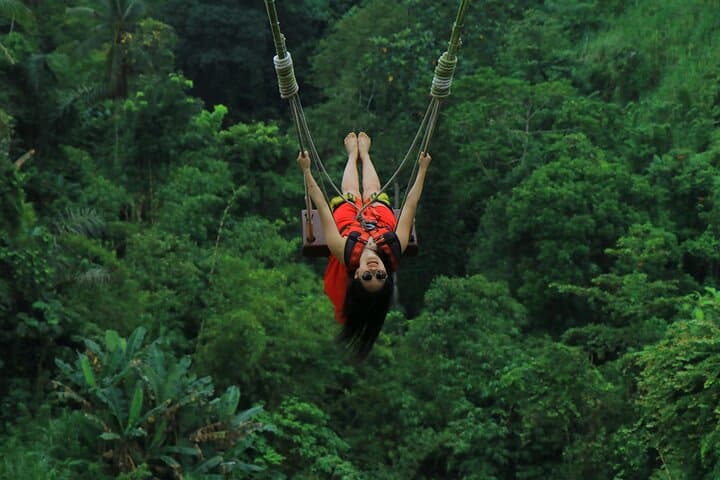
Practically, expect paved drives between sites with short uphill walks, stone steps and occasional muddy trails near the waterfall. Pack sturdy shoes for stairs, a lightweight rain shell if you visit in the wet season, and small bills for entrance fees and local purchases. Be firm with the monkeys—don’t feed them and secure phones and sunglasses. The swing operators will help with photos and safety harnesses, but check the fit and the platform conditions before you ride.
Timing matters: start early to avoid midafternoon crowds and heat; bring water and sunscreen, and allow the day to be as much about quiet observation as it is about ticking off attractions.