THE ADVENTURE COLLECTIVE® · Independent discovery and booking for outdoor travel

Spend a private day in Ubud visiting temples, rice terraces, wood‑carving villages and the famous Monkey Forest. Ideal for travelers who want cultural context, local craft stops, and short walks rather than strenuous hiking.
Spend a private day in Ubud visiting temples, rice terraces, wood‑carving villages and the famous Monkey Forest. Ideal for travelers who want cultural context, local craft stops, and short walks rather than strenuous hiking.
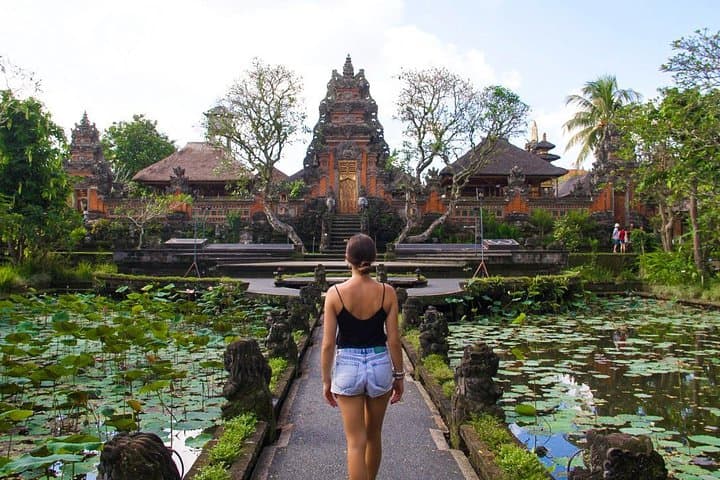
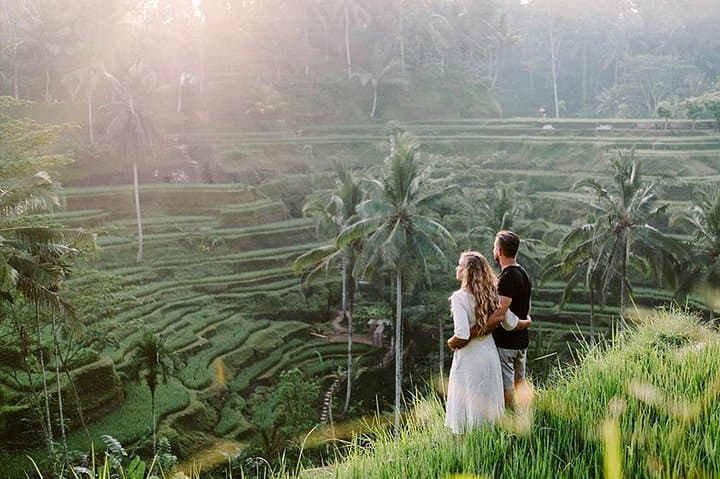
You step out of a private car onto a warm, humid lane and Ubud unrolls around you — stately temple gates carved with demonic faces, rice paddies stepping down the valley like deliberate green stairs, and the chatter of market vendors folding batik into neat piles.
Verified experiences and guided adventures in the surrounding area.
Operated by balimahatour · Ubud, Bali
You step out of a private car onto a warm, humid lane and Ubud unrolls around you — stately temple gates carved with demonic faces, rice paddies stepping down the valley like deliberate green stairs, and the chatter of market vendors folding batik into neat piles.
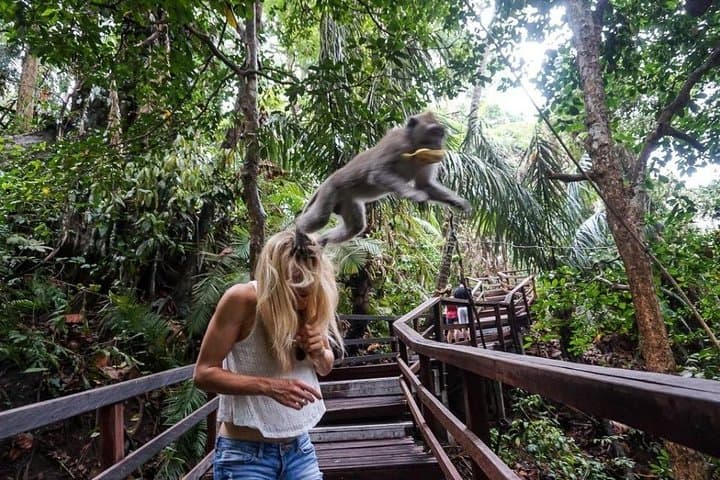
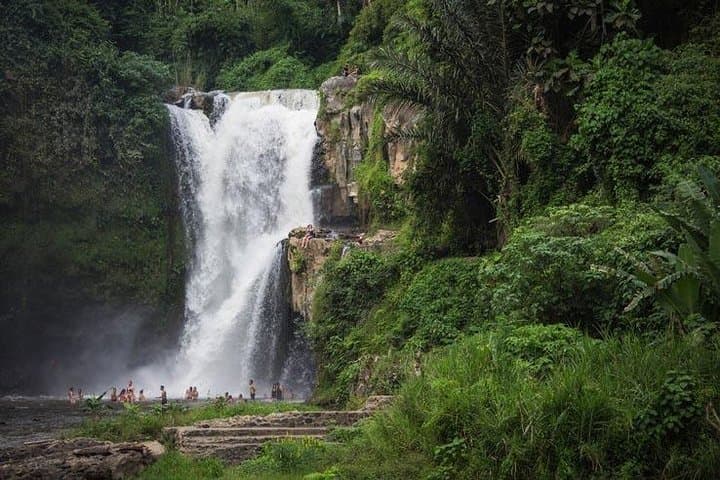
This full-day private tour threads local highlights together: centuries-old Puseh Temple in Batuan, the wood‑carving lanes of Mas Village, the dense canopy and macaque colony in the Ubud Monkey Forest, the bustling Ubud Traditional Art Market, the engineered contours of Tegalalang’s rice terraces, and the foaming drop at Tegenungan Waterfall.
Ubud’s landscape reflects volcanic soils of central Bali and an irrigation tradition called subak, a cooperative system with roots in the 8th century. The villages visited still practice crafts and rituals that shaped modern Balinese identity; many sites have religious functions as well as tourist appeal.
Expect short guided walks at each stop, photo pauses, and time to browse markets and workshops. The Monkey Forest requires respectful distance—macaques are bold and quick. Tegalalang’s terraces are best seen from the higher viewpoints or a short farm track if you want a quieter vantage.
Practical notes: bring cash for small shops and temple donations, sun protection, and sturdy shoes for uneven paths. Start early to avoid midafternoon heat and market crowds; a private driver makes logistics simple for travelers who want cultural depth without heavy hiking.
easy.
10 hours.
Suitable for all fitness levels; involves short walks and some uneven terrain but no sustained climbing.
Most standard temple and attraction fees are paid on entry and may not be included—confirm with your operator; small donations are common at temples.
Yes; the itinerary involves short walks and vehicle transfers, making it family- and senior-friendly, but be mindful of steep steps and active macaques.
Yes; the Ubud Art Market and Mas Village offer woodcarving and textiles—bargaining is expected at market stalls but less so in established workshops.
Private tours typically include pickup and drop-off—confirm your pickup point and timing when booking and share flight or arrival details if requested.
Ubud evolved as a center for crafts and ritual; the subak irrigation system that shapes rice terraces dates back centuries and is still managed by local communities.
Respect temple rules and wildlife—avoid feeding macaques, stick to marked paths in rice fields, and support local artisans rather than buying mass-produced souvenirs.
balimahatour operates guided outdoor trips and adventures with an emphasis on safety, stewardship, and memorable experiences.
You step out of a private car onto a warm, humid lane and Ubud unrolls around you — stately temple gates carved with demonic faces, rice paddies stepping down the valley like deliberate green stairs, and the chatter of market vendors folding batik into neat piles.
You step out of a private car onto a warm, humid lane and Ubud unrolls around you — stately temple gates carved with demonic faces, rice paddies stepping down the valley like deliberate green stairs, and the chatter of market vendors folding batik into neat piles.
This full-day private tour threads local highlights together: centuries-old Puseh Temple in Batuan, the wood‑carving lanes of Mas Village, the dense canopy and macaque colony in the Ubud Monkey Forest, the bustling Ubud Traditional Art Market, the engineered contours of Tegalalang’s rice terraces, and the foaming drop at Tegenungan Waterfall.
Ubud’s landscape reflects volcanic soils of central Bali and an irrigation tradition called subak, a cooperative system with roots in the 8th century. The villages visited still practice crafts and rituals that shaped modern Balinese identity; many sites have religious functions as well as tourist appeal.
Expect short guided walks at each stop, photo pauses, and time to browse markets and workshops. The Monkey Forest requires respectful distance—macaques are bold and quick. Tegalalang’s terraces are best seen from the higher viewpoints or a short farm track if you want a quieter vantage.
Practical notes: bring cash for small shops and temple donations, sun protection, and sturdy shoes for uneven paths. Start early to avoid midafternoon heat and market crowds; a private driver makes logistics simple for travelers who want cultural depth without heavy hiking.