THE ADVENTURE COLLECTIVE® · Independent discovery and booking for outdoor travel

Spend a day tracing Ubud’s cultural core: Barong dance, craft villages, ancient temples, rice terraces and the Monkey Forest, all in one private tour. Practical tips on etiquette, timing and what to bring make this a focused introduction to Balinese life.
Spend a day tracing Ubud’s cultural core: Barong dance, craft villages, ancient temples, rice terraces and the Monkey Forest, all in one private tour. Practical tips on etiquette, timing and what to bring make this a focused introduction to Balinese life.
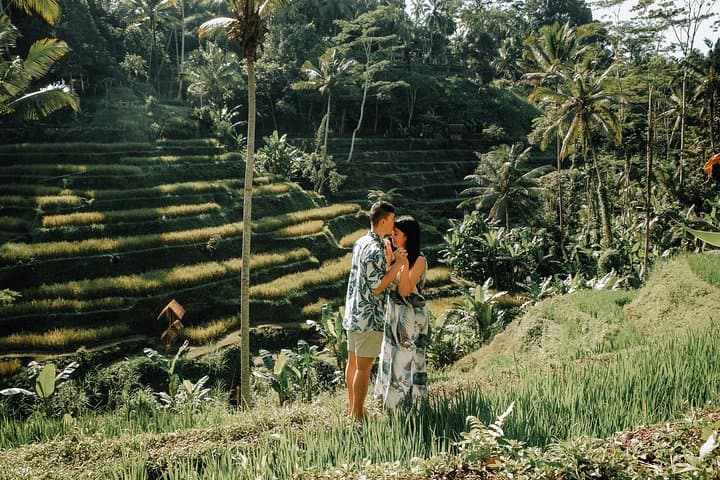
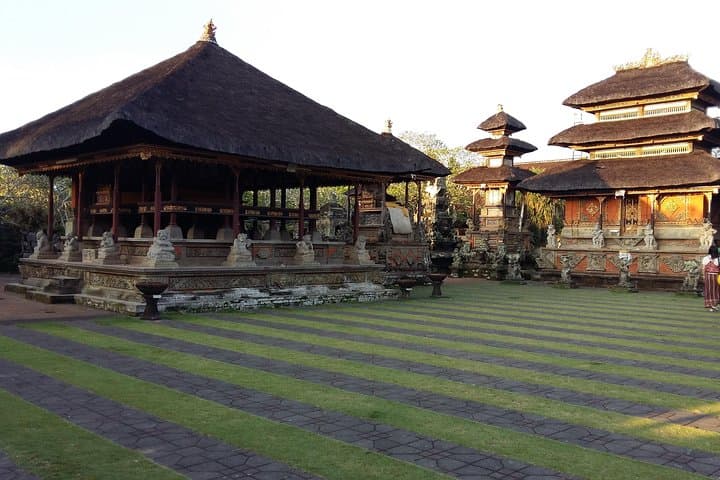
Stand on the shaded path outside Ubud Palace and listen: gamelan chimes fade between temple shrines, vendors fold offerings beneath frangipani trees, and the river valley exhales a humid breeze that carries rice-scented air. This full-day private tour threads through central Bali’s cultural landmarks—Barong dance halls, handcraft villages, ancient stone temples, terraced paddies and the famous Monkey Forest—offering a concentrated view of how religion, craft and landscape shape local life.
Verified experiences and guided adventures in the surrounding area.
Operated by The Bali Driver · Ubud, Bali
Stand on the shaded path outside Ubud Palace and listen: gamelan chimes fade between temple shrines, vendors fold offerings beneath frangipani trees, and the river valley exhales a humid breeze that carries rice-scented air. This full-day private tour threads through central Bali’s cultural landmarks—Barong dance halls, handcraft villages, ancient stone temples, terraced paddies and the famous Monkey Forest—offering a concentrated view of how religion, craft and landscape shape local life.
Historically Ubud grew as a royal and artistic center; the palace still stages traditional performances while nearby Goa Gajah preserves 9th-century stone reliefs carved into volcanic rock. The island’s geology—old lava flows and rich alluvial terraces—created the stepped rice systems you'll see and the limestone and andesite used in temple carving.
Culturally, expect ritual etiquette: sarongs at temple entry, quiet near shrines, and bargaining at craft stalls that specialize in silverwork, woodcarving and painting. The monkey sanctuary functions as both a religious guardian and a managed wildlife reserve, so interactions are monitored.
For practical planning: this is a long (9–12 hour) private excursion with hotel pickup and bottled water included. Wear closed-toe shoes for temple courtyards and slippery paths, carry sun protection and modest clothing for sacred sites, and bring small bills for entrance fees and tips. Timing matters—mornings are cooler and less crowded. Stay aware of the monkeys’ quick hands; use a small daypack and secure valuables. The tour is accessible and suitable for most fitness levels, making it a compact, informative way to experience Ubud’s cultural spine in a single day.
easy.
9–12 hours.
Suitable for most fitness levels; involves walking on uneven temple grounds and short steps
Yes—private hotel pickup and drop-off are included; confirm your exact pickup time after booking.
Some transport options and a few sites are wheelchair accessible, but temple courtyards and terraces may have steps—contact the operator to plan for access needs.
Yes—the standard itinerary includes a Barong dance performance with cultural explanation and time for photos.
Bottled water is included; food is not always provided—plan for lunch at a local restaurant or confirm meal options with the operator.
Ubud developed as a royal and artistic center; sites like Goa Gajah date to the 9th century and reflect early Hindu-Buddhist influences.
The Monkey Forest is a managed conservation area—follow rules to protect both animals and visitors; avoid feeding wildlife and stay on marked paths to preserve rice terraces.
The Bali Driver operates guided outdoor trips and adventures with an emphasis on safety, stewardship, and memorable experiences.

Stand on the shaded path outside Ubud Palace and listen: gamelan chimes fade between temple shrines, vendors fold offerings beneath frangipani trees, and the river valley exhales a humid breeze that carries rice-scented air. This full-day private tour threads through central Bali’s cultural landmarks—Barong dance halls, handcraft villages, ancient stone temples, terraced paddies and the famous Monkey Forest—offering a concentrated view of how religion, craft and landscape shape local life.
Stand on the shaded path outside Ubud Palace and listen: gamelan chimes fade between temple shrines, vendors fold offerings beneath frangipani trees, and the river valley exhales a humid breeze that carries rice-scented air. This full-day private tour threads through central Bali’s cultural landmarks—Barong dance halls, handcraft villages, ancient stone temples, terraced paddies and the famous Monkey Forest—offering a concentrated view of how religion, craft and landscape shape local life.
Historically Ubud grew as a royal and artistic center; the palace still stages traditional performances while nearby Goa Gajah preserves 9th-century stone reliefs carved into volcanic rock. The island’s geology—old lava flows and rich alluvial terraces—created the stepped rice systems you'll see and the limestone and andesite used in temple carving.
Culturally, expect ritual etiquette: sarongs at temple entry, quiet near shrines, and bargaining at craft stalls that specialize in silverwork, woodcarving and painting. The monkey sanctuary functions as both a religious guardian and a managed wildlife reserve, so interactions are monitored.
For practical planning: this is a long (9–12 hour) private excursion with hotel pickup and bottled water included. Wear closed-toe shoes for temple courtyards and slippery paths, carry sun protection and modest clothing for sacred sites, and bring small bills for entrance fees and tips. Timing matters—mornings are cooler and less crowded. Stay aware of the monkeys’ quick hands; use a small daypack and secure valuables. The tour is accessible and suitable for most fitness levels, making it a compact, informative way to experience Ubud’s cultural spine in a single day.