THE ADVENTURE COLLECTIVE® · Independent discovery and booking for outdoor travel

Spend a private day through Ubud’s cultural heart: walk among macaques, overlook the stepped green of Tegalalang, cool off at Tegenungan waterfall, and explore the 11th-century Goa Gajah. This tour blends nature, history, and hands-on cultural context with easy walking and a private driver-guide.
Spend a private day through Ubud’s cultural heart: walk among macaques, overlook the stepped green of Tegalalang, cool off at Tegenungan waterfall, and explore the 11th-century Goa Gajah. This tour blends nature, history, and hands-on cultural context with easy walking and a private driver-guide.
Morning light filters through banyan roots as you step into Ubud’s Sacred Monkey Forest — macaques move like small, curious claims on the paths while temple stones keep a quiet, mossy watch.
Verified experiences and guided adventures in the surrounding area.
Operated by Bali Jinah Tours · Ubud, Bali
Morning light filters through banyan roots as you step into Ubud’s Sacred Monkey Forest — macaques move like small, curious claims on the paths while temple stones keep a quiet, mossy watch.
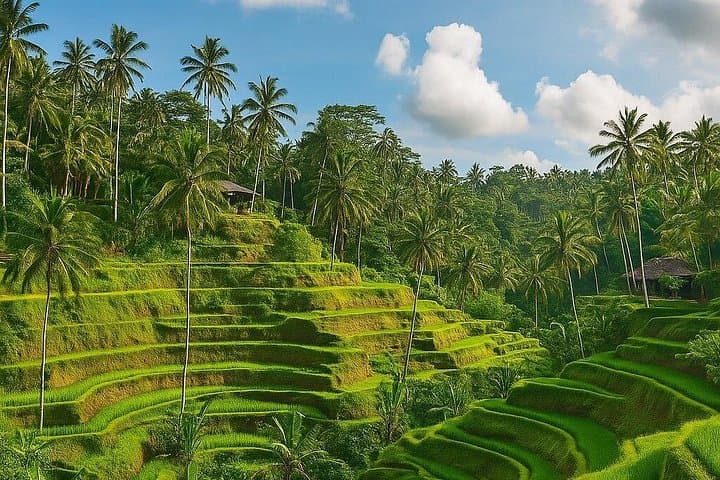
Over the day you’ll move from jungle shade to terraced sunlight at Tegalalang, where the Subak irrigation lines the valley in stepped green, then down to the cool roar of Tegenungan waterfall and finally into the shadowed carvings of Goa Gajah.
These stops stitch together Bali’s overlapping histories: rice terraces shaped by centuries of communal irrigation, temples that survived Hindu-Buddhist transitions, and jungle sanctuaries that remain part place of worship, part wildlife refuge. Geologically the landscape is river-cut volcanic soil — easily eroded into dramatic terraces and gullies that make the island both fertile and scenic.
Expect mostly short walks (many are on stone steps and uneven dirt trails), frequent steps at the terraces and waterfall, and casual temple pathways that require modest climbing. The itinerary runs about 8–9 hours with a private driver-guide, admissions included to the listed sites, and bottled water provided.
Practical edge: wear sturdy shoes with grip for wet steps, bring a sarong or modest clothing for temple entry, keep electronics zipped around macaques, and plan travel time — Ubud’s narrow roads slow midday transfers. Early starts beat the heat and the crowds; late afternoons make the waterfall and rice terraces glow. This day is ideal for travelers wanting an accessible, sensory introduction to central Bali’s culture and landscape.
easy.
8–9 hours.
Suitable for travelers with basic mobility who can handle short uneven walks and several flights of steps.
Admissions to the listed sites are included and you’ll have a private driver-guide for the full day.
Yes — the itinerary notes stroller access, but expect uneven paths at the waterfall and terraces that may require carrying small children briefly.
Lunch is not listed as included; most groups stop at a local restaurant where you can order Balinese dishes (cash or card may be accepted).
Yes; there’s an accessible pool at the base for swimming, but currents and rocks mean caution and footwear are recommended.
Goa Gajah dates to the 11th century with carved stone reliefs and ritual bathing pools reflecting Bali’s Hindu-Buddhist past.
The Subak system is UNESCO-recognized — visitors are encouraged to stay on trails, avoid feeding wildlife, and respect temple offerings to reduce impact.
Bali Jinah Tours operates guided outdoor trips and adventures with an emphasis on safety, stewardship, and memorable experiences.
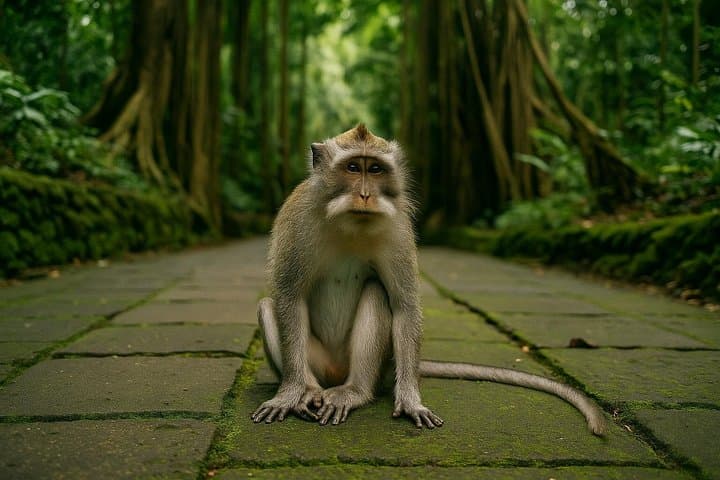
Morning light filters through banyan roots as you step into Ubud’s Sacred Monkey Forest — macaques move like small, curious claims on the paths while temple stones keep a quiet, mossy watch.
Morning light filters through banyan roots as you step into Ubud’s Sacred Monkey Forest — macaques move like small, curious claims on the paths while temple stones keep a quiet, mossy watch.
Over the day you’ll move from jungle shade to terraced sunlight at Tegalalang, where the Subak irrigation lines the valley in stepped green, then down to the cool roar of Tegenungan waterfall and finally into the shadowed carvings of Goa Gajah.
These stops stitch together Bali’s overlapping histories: rice terraces shaped by centuries of communal irrigation, temples that survived Hindu-Buddhist transitions, and jungle sanctuaries that remain part place of worship, part wildlife refuge. Geologically the landscape is river-cut volcanic soil — easily eroded into dramatic terraces and gullies that make the island both fertile and scenic.
Expect mostly short walks (many are on stone steps and uneven dirt trails), frequent steps at the terraces and waterfall, and casual temple pathways that require modest climbing. The itinerary runs about 8–9 hours with a private driver-guide, admissions included to the listed sites, and bottled water provided.
Practical edge: wear sturdy shoes with grip for wet steps, bring a sarong or modest clothing for temple entry, keep electronics zipped around macaques, and plan travel time — Ubud’s narrow roads slow midday transfers. Early starts beat the heat and the crowds; late afternoons make the waterfall and rice terraces glow. This day is ideal for travelers wanting an accessible, sensory introduction to central Bali’s culture and landscape.