THE ADVENTURE COLLECTIVE® · Independent discovery and booking for outdoor travel

Walk from Syrrako to Kalarrites via Kouiasa springs and the cliff-hung Kipina Monastery. This four-hour day trip combines stone villages, karst springs, and easy mountain tracks ideal for travelers seeking cultural hiking in Epirus.
Walk from Syrrako to Kalarrites via Kouiasa springs and the cliff-hung Kipina Monastery. This four-hour day trip combines stone villages, karst springs, and easy mountain tracks ideal for travelers seeking cultural hiking in Epirus.
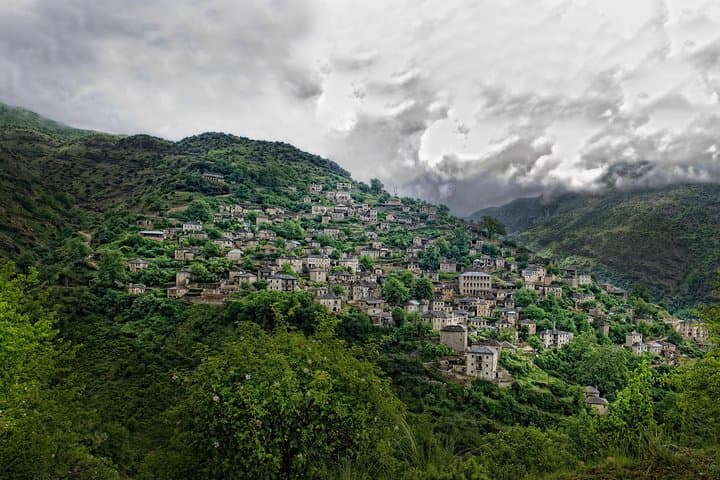
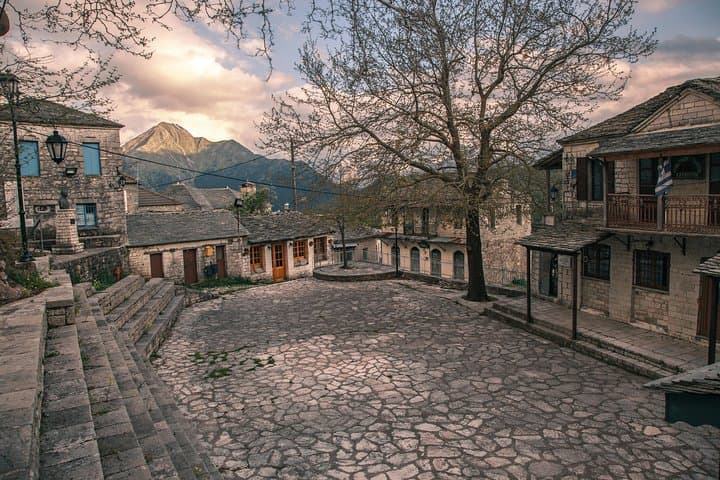
A morning coffee at Syrrako sets the pace: stone-paved lanes warm underfoot, shutters opening onto steep, forested ridges. The route slips from village streets into high-mountain pastures, following faint tracks and mule paths that guide walkers toward Kalarrites and the clear, moss-edged Kouiasa springs. The cliff that cradles Kipina Monastery appears suddenly—a stone hermitage cut into the rock, founded in 1212—and the monastery's low, shadowed façades hold centuries of mountain devotion.
Verified experiences and guided adventures in the surrounding area.
Operated by Epirus Traveller · Ioannina, Epirus
A morning coffee at Syrrako sets the pace: stone-paved lanes warm underfoot, shutters opening onto steep, forested ridges. The route slips from village streets into high-mountain pastures, following faint tracks and mule paths that guide walkers toward Kalarrites and the clear, moss-edged Kouiasa springs. The cliff that cradles Kipina Monastery appears suddenly—a stone hermitage cut into the rock, founded in 1212—and the monastery's low, shadowed façades hold centuries of mountain devotion.
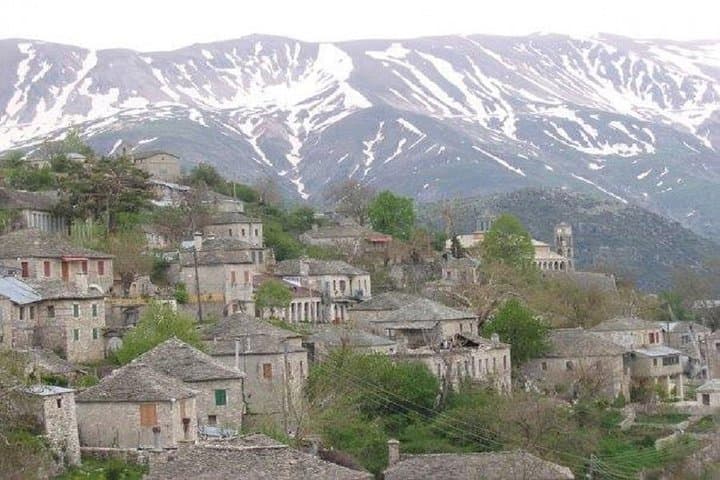
Tzoumerka sits on the eastern edge of Epirus, where limestone ridges and karst plateaus have been sculpted by glaciers and rivers into steep gorges and cascading springs. Syrrako and Kalarrites are 19th-century stonecraft villages once linked to regional textile trade; their architecture reflects local masonry and communal life centered on shepherding and timberwork.
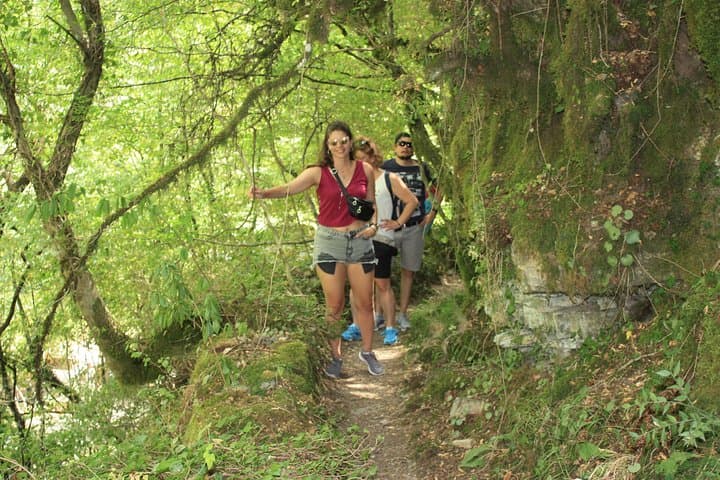
Practical route notes: expect uneven, rocky tracks and short paved village stretches; total outing runs about four hours including stops. The walk is primarily low-gradient but includes brief steeper scrambles near spring outlets and viewpoints. Carry water, sun protection, and a light layer for changing mountain weather. Respect monastery etiquette—modest clothing and quiet are customary—and avoid venturing off marked paths to protect fragile karst features and spring sources.
This day circuit mixes cultural heritage with the raw geology of Tzoumerka: brisk walks, cold spring water, and the contained, human scale of highland villages offer a complete mountain-day experience without technical climbing.
easy.
4 hours.
Suitable for travelers in average physical condition with ability to walk on uneven ground for several hours
The outing is rated easy—short walks on uneven trails and village streets—suitable for most visitors who can walk 2–4 hours at a relaxed pace.
Yes; the monastery is open to visitors but observe modest dress and quiet; check opening times locally as they can vary.
Syrrako has cafés for coffee and light snacks; water and lunch options are limited outside villages, so bring water and confirm lunch arrangements in advance.
Public transport options exist but are limited; many visitors travel from Ioannina by private vehicle or organized tour with pickup options.
Syrrako and Kalarrites grew prosperous in the 18th–19th centuries through textile and pastoral economies; Kipina Monastery dates to 1212 and underscores the area's long monastic tradition.
Tzoumerka is managed to protect karst springs and mountain pastures—stay on paths, pack out waste, and avoid disturbing spring outlets to preserve fragile water sources.
Epirus Traveller operates guided outdoor trips and adventures with an emphasis on safety, stewardship, and memorable experiences.
A morning coffee at Syrrako sets the pace: stone-paved lanes warm underfoot, shutters opening onto steep, forested ridges. The route slips from village streets into high-mountain pastures, following faint tracks and mule paths that guide walkers toward Kalarrites and the clear, moss-edged Kouiasa springs. The cliff that cradles Kipina Monastery appears suddenly—a stone hermitage cut into the rock, founded in 1212—and the monastery's low, shadowed façades hold centuries of mountain devotion.
A morning coffee at Syrrako sets the pace: stone-paved lanes warm underfoot, shutters opening onto steep, forested ridges. The route slips from village streets into high-mountain pastures, following faint tracks and mule paths that guide walkers toward Kalarrites and the clear, moss-edged Kouiasa springs. The cliff that cradles Kipina Monastery appears suddenly—a stone hermitage cut into the rock, founded in 1212—and the monastery's low, shadowed façades hold centuries of mountain devotion.
Tzoumerka sits on the eastern edge of Epirus, where limestone ridges and karst plateaus have been sculpted by glaciers and rivers into steep gorges and cascading springs. Syrrako and Kalarrites are 19th-century stonecraft villages once linked to regional textile trade; their architecture reflects local masonry and communal life centered on shepherding and timberwork.
Practical route notes: expect uneven, rocky tracks and short paved village stretches; total outing runs about four hours including stops. The walk is primarily low-gradient but includes brief steeper scrambles near spring outlets and viewpoints. Carry water, sun protection, and a light layer for changing mountain weather. Respect monastery etiquette—modest clothing and quiet are customary—and avoid venturing off marked paths to protect fragile karst features and spring sources.
This day circuit mixes cultural heritage with the raw geology of Tzoumerka: brisk walks, cold spring water, and the contained, human scale of highland villages offer a complete mountain-day experience without technical climbing.