THE ADVENTURE COLLECTIVE® · Independent discovery and booking for outdoor travel

Spend a salt-scented day from Savannah exploring Fort Pulaski, climbing past the Tybee Lighthouse, and wandering the pier and beach. This practical five-hour outing mixes Civil War history with easy coastal walking and free time for lunch and shopping.
Spend a salt-scented day from Savannah exploring Fort Pulaski, climbing past the Tybee Lighthouse, and wandering the pier and beach. This practical five-hour outing mixes Civil War history with easy coastal walking and free time for lunch and shopping.
The Atlantic greets you first—a steady breeze that pushes foam onto the sand and gulls that dare you to move faster. On this five-hour loop from Savannah, you step from urban oak-lined streets into a low, salt-sprayed world of dunes, a Civil War fort, and a lighthouse that keeps time with the tides.
Verified experiences and guided adventures in the surrounding area.
Operated by Tybee Beach Bus · Tybee Island, Georgia
The Atlantic greets you first—a steady breeze that pushes foam onto the sand and gulls that dare you to move faster. On this five-hour loop from Savannah, you step from urban oak-lined streets into a low, salt-sprayed world of dunes, a Civil War fort, and a lighthouse that keeps time with the tides.
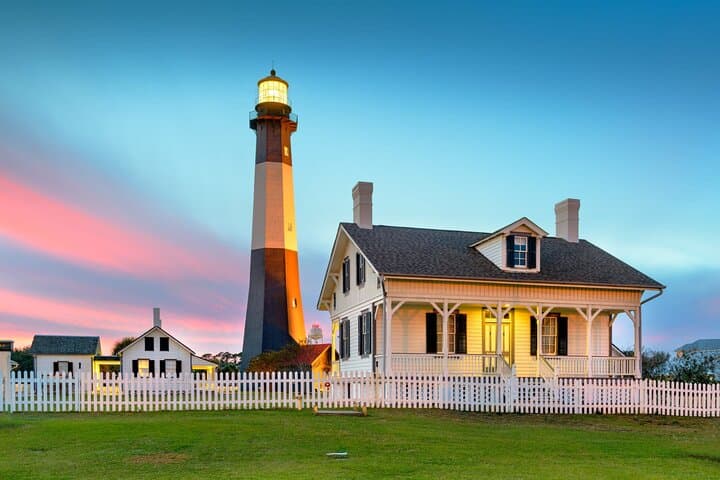
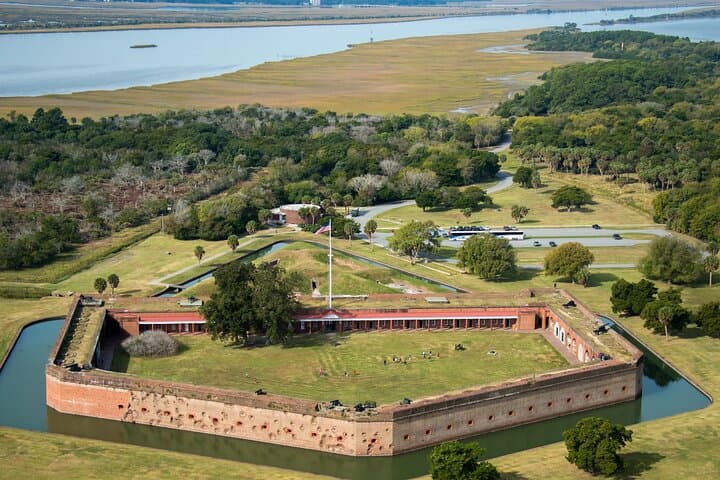
Fort Pulaski sits on the edge of the marsh, its brick walls telling a short, dramatic story: rifled artillery in 1862 proved the end of masonry fortifications and changed military engineering. A few miles east, Tybee Lighthouse and Fort Screven record the island’s longer arc—coastal navigation, lumbering steamers, and lifeboat rescues. Geologically the island is a classic barrier bar formed by longshore drift, with tidal creeks and marsh grass that filter the Savannah River’s outflow and feed a rich coastal ecology.
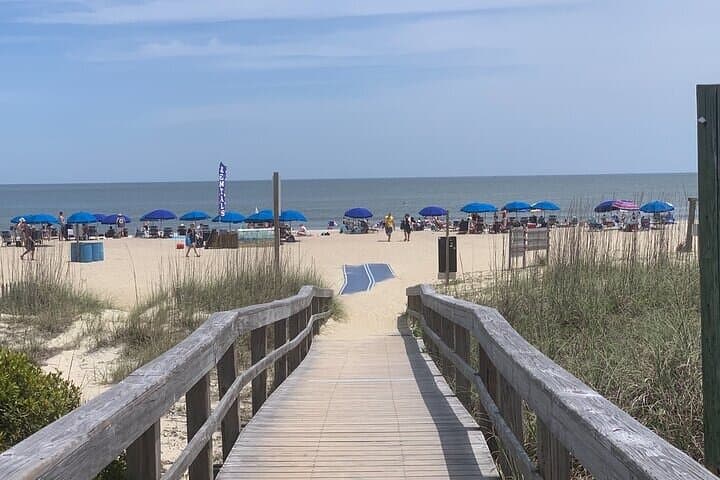
Culturally the pace is informal: shrimp boats return with the day’s haul, locals trade fish tales at casual seafood counters, and souvenir shops line the main drag. Expect flat, sandy walking and short boardwalks—elevation gain is negligible, but loose sand slows you more than distance figures suggest.
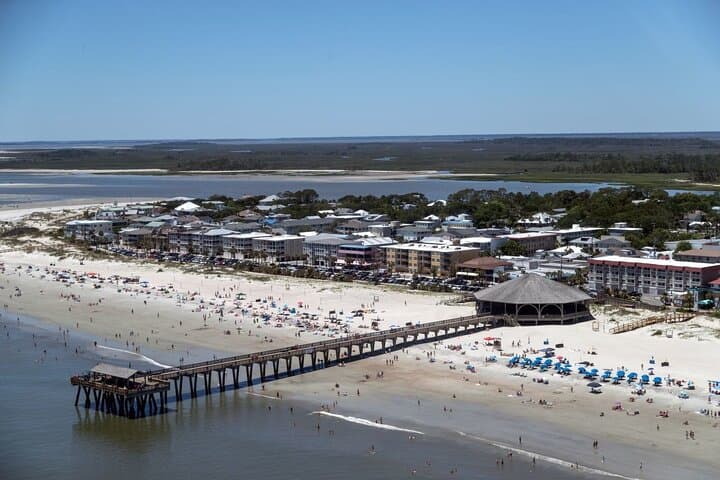
Practical notes: the tour includes a self-guided 50-minute visit to Fort Pulaski and time at Tybee Pier for 2–3 hours for lunch, beach walking, or shopping; lighthouse admission is extra. Wear sturdy sandals or trail shoes, sun protection, and layered light clothing for wind. Check tide times if you plan a shoreline walk and bring water; shuttle pickup from Savannah simplifies logistics. The rhythm here is coastal—slow, a bit bracing, and ultimately restorative.
easy.
5 hours.
Suitable for most fitness levels; expect flat walking up to 2–3 miles on sand and boardwalks.
No — lighthouse admission is not included in the tour price; you can buy tickets on site if you want to climb.
Typically 2–3 hours for beach walking, lunch, and shopping before returning to Savannah around 3:00 PM.
Fort Pulaski has some paved paths and exhibits accessible to many visitors; however, historic areas include uneven surfaces—check with staff for specific accessibility details.
Yes — the tour includes local historical commentary en route and a self-guided visit time at Fort Pulaski for close-up exploration.
Fort Pulaski’s 1862 bombardment demonstrated how rifled artillery changed siege warfare; Tybee Lighthouse has guarded the channel since 18th-century lights marked early navigation routes.
Barrier islands are dynamic and fragile—stay on marked paths, avoid disturbing dune vegetation, and pack out trash to protect nesting birds and marsh habitat.
Tybee Beach Bus operates guided outdoor trips and adventures with an emphasis on safety, stewardship, and memorable experiences.
The Atlantic greets you first—a steady breeze that pushes foam onto the sand and gulls that dare you to move faster. On this five-hour loop from Savannah, you step from urban oak-lined streets into a low, salt-sprayed world of dunes, a Civil War fort, and a lighthouse that keeps time with the tides.
The Atlantic greets you first—a steady breeze that pushes foam onto the sand and gulls that dare you to move faster. On this five-hour loop from Savannah, you step from urban oak-lined streets into a low, salt-sprayed world of dunes, a Civil War fort, and a lighthouse that keeps time with the tides.
Fort Pulaski sits on the edge of the marsh, its brick walls telling a short, dramatic story: rifled artillery in 1862 proved the end of masonry fortifications and changed military engineering. A few miles east, Tybee Lighthouse and Fort Screven record the island’s longer arc—coastal navigation, lumbering steamers, and lifeboat rescues. Geologically the island is a classic barrier bar formed by longshore drift, with tidal creeks and marsh grass that filter the Savannah River’s outflow and feed a rich coastal ecology.
Culturally the pace is informal: shrimp boats return with the day’s haul, locals trade fish tales at casual seafood counters, and souvenir shops line the main drag. Expect flat, sandy walking and short boardwalks—elevation gain is negligible, but loose sand slows you more than distance figures suggest.
Practical notes: the tour includes a self-guided 50-minute visit to Fort Pulaski and time at Tybee Pier for 2–3 hours for lunch, beach walking, or shopping; lighthouse admission is extra. Wear sturdy sandals or trail shoes, sun protection, and layered light clothing for wind. Check tide times if you plan a shoreline walk and bring water; shuttle pickup from Savannah simplifies logistics. The rhythm here is coastal—slow, a bit bracing, and ultimately restorative.