THE ADVENTURE COLLECTIVE® · Independent discovery and booking for outdoor travel

Spend a day seeing two faces of the Great Wall: the restored, visitor-ready Badaling and the quieter, unrestored ancient extension. This full-day bus tour from Beijing pairs context-rich guiding with VIP access and simpler logistics for first-time visitors.
Spend a day seeing two faces of the Great Wall: the restored, visitor-ready Badaling and the quieter, unrestored ancient extension. This full-day bus tour from Beijing pairs context-rich guiding with VIP access and simpler logistics for first-time visitors.
You step off the air-conditioned bus into a corridor of stone and wind; the Badaling ramparts rise like a wide staircase, the stones humming with generations of footsteps. For two hours you follow restored towers and broad crenellations where tourists cluster and selfie-sticks bob like reeds. Later the bus takes you to the older, unrestored stretch — the Ruined Great Wall — where crumbling parapets lean into the hills and silence dares you to listen.
Verified experiences and guided adventures in the surrounding area.
Operated by Yida Travel · Beijing, Beijing
You step off the air-conditioned bus into a corridor of stone and wind; the Badaling ramparts rise like a wide staircase, the stones humming with generations of footsteps. For two hours you follow restored towers and broad crenellations where tourists cluster and selfie-sticks bob like reeds. Later the bus takes you to the older, unrestored stretch — the Ruined Great Wall — where crumbling parapets lean into the hills and silence dares you to listen.
Built and rebuilt across dynasties, Badaling is the polished face of the Ming-era defense system, engineered to control passes north of Beijing. The southwestern extension retains its original weathering: fractured mortar, tilted bricks and visible traces of centuries of freeze-thaw. The surrounding Yanshan foothills are limestone-scarred and scrubby; wind and rain have their own claims on the ancient masonry.
Culturally, the two sections show different relationships with heritage — one curated for visiting crowds, the other raw and uncompromising. Guides onboard provide historical context; local food stalls at the parking lot sell simple snacks and hot tea.
Practical guidance: arrive early to use BusDa’s VIP boarding and secure better viewing time. Wear sturdy shoes — the ancient wall has uneven steps and loose stone. Bring at least 1–2 liters of water, sun protection, and small change if you don’t use Alipay/WeChat. Expect an overall roundtrip of about 8 hours, including 1.5-hour drives each way, 2 hours at Badaling and roughly 2.5 hours at the ancient section. Mobility access is available for portions of Badaling, but the unrestored segment is steep and uneven. Pace yourself on the climbs and take time at the towers — the views push you forward, the stones keep their stories.
moderate.
8 hours.
Basic walking fitness; able to climb stairs and manage uneven terrain for several hours.
Yes — BusDa includes entry to Badaling and the ancient Badaling section as part of the tour price.
Yes — the tour includes roundtrip downtown transfer by air-conditioned bus with VIP boarding.
Cable car rides are optional and available for an extra fee; the guide can help arrange purchases during the tour.
Portions of Badaling are wheelchair accessible, but the unrestored ancient section has uneven stone and is not suitable for wheelchairs.
Badaling became the most visited Ming-era section due to early 20th-century restoration and proximity to Beijing; the southwestern ancient extension preserves pre-restoration masonry and signs of long-term weathering.
Visitor impact is managed through designated paths and restoration at key sections; avoid removing stones or climbing off-path to protect fragile masonry.
Yida Travel operates guided outdoor trips and adventures with an emphasis on safety, stewardship, and memorable experiences.

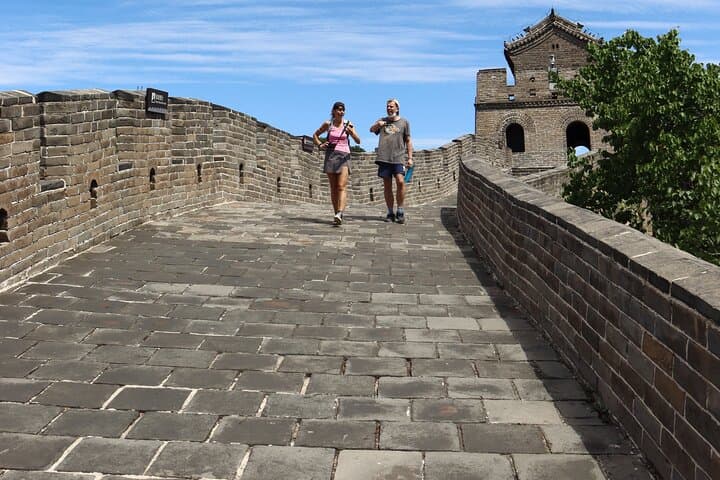
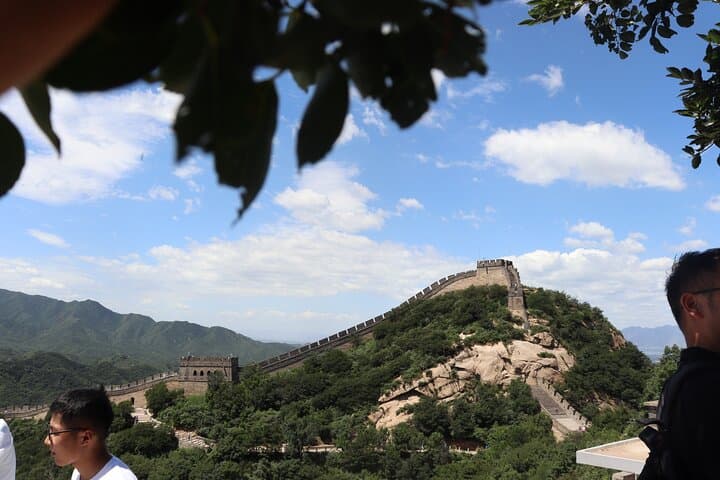
You step off the air-conditioned bus into a corridor of stone and wind; the Badaling ramparts rise like a wide staircase, the stones humming with generations of footsteps. For two hours you follow restored towers and broad crenellations where tourists cluster and selfie-sticks bob like reeds. Later the bus takes you to the older, unrestored stretch — the Ruined Great Wall — where crumbling parapets lean into the hills and silence dares you to listen.
You step off the air-conditioned bus into a corridor of stone and wind; the Badaling ramparts rise like a wide staircase, the stones humming with generations of footsteps. For two hours you follow restored towers and broad crenellations where tourists cluster and selfie-sticks bob like reeds. Later the bus takes you to the older, unrestored stretch — the Ruined Great Wall — where crumbling parapets lean into the hills and silence dares you to listen.
Built and rebuilt across dynasties, Badaling is the polished face of the Ming-era defense system, engineered to control passes north of Beijing. The southwestern extension retains its original weathering: fractured mortar, tilted bricks and visible traces of centuries of freeze-thaw. The surrounding Yanshan foothills are limestone-scarred and scrubby; wind and rain have their own claims on the ancient masonry.
Culturally, the two sections show different relationships with heritage — one curated for visiting crowds, the other raw and uncompromising. Guides onboard provide historical context; local food stalls at the parking lot sell simple snacks and hot tea.
Practical guidance: arrive early to use BusDa’s VIP boarding and secure better viewing time. Wear sturdy shoes — the ancient wall has uneven steps and loose stone. Bring at least 1–2 liters of water, sun protection, and small change if you don’t use Alipay/WeChat. Expect an overall roundtrip of about 8 hours, including 1.5-hour drives each way, 2 hours at Badaling and roughly 2.5 hours at the ancient section. Mobility access is available for portions of Badaling, but the unrestored segment is steep and uneven. Pace yourself on the climbs and take time at the towers — the views push you forward, the stones keep their stories.