THE ADVENTURE COLLECTIVE® · Independent discovery and booking for outdoor travel

Spend a half-day on a two-tank boat excursion from Key Largo into the Florida Keys National Marine Sanctuary. Short transits, guided group dives, and shallow wrecks make this a practical and scenic option for certified divers.
Spend a half-day on a two-tank boat excursion from Key Largo into the Florida Keys National Marine Sanctuary. Short transits, guided group dives, and shallow wrecks make this a practical and scenic option for certified divers.
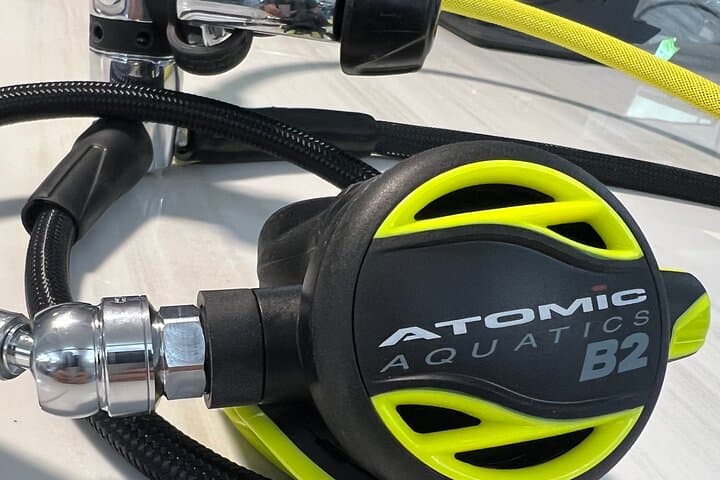
The boat rocks gently as the captain motors away from the mangrove-fringed shoreline and the Atlantic opens like a blue margin. Wearing fins and a regulator, divers feel the breeze and salt spray before the weight of the water takes over — two guided dives, a short surface interval, then a second descent into shallow wrecks and spur-and-groove reef.
Verified experiences and guided adventures in the surrounding area.
Operated by Key Largo Dive Center · Key Largo, Florida
The boat rocks gently as the captain motors away from the mangrove-fringed shoreline and the Atlantic opens like a blue margin. Wearing fins and a regulator, divers feel the breeze and salt spray before the weight of the water takes over — two guided dives, a short surface interval, then a second descent into shallow wrecks and spur-and-groove reef.
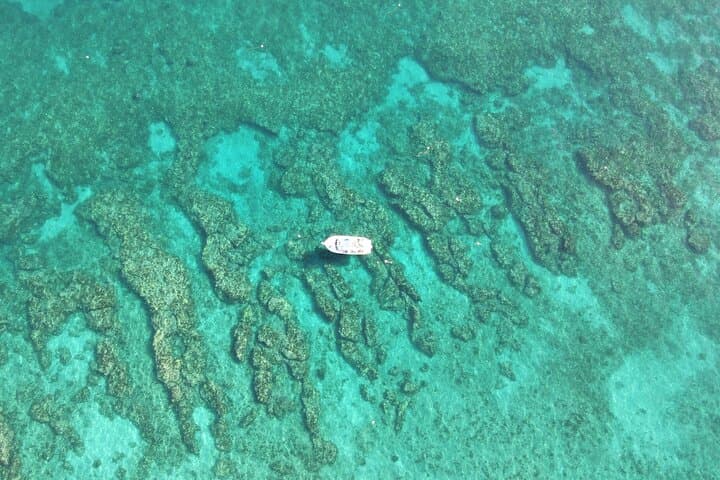
The Florida Keys National Marine Sanctuary protects coral growth that began millennia ago atop ancient limestone outcrops; currents sculpt the reef into ridges and channels where colorful life concentrates. Key Largo’s dive culture grew around these formations and the wrecks that now host sea fans and schooling fish. Locally, small fishing villages and dive shops shaped a practical, conservation-minded approach to recreation.
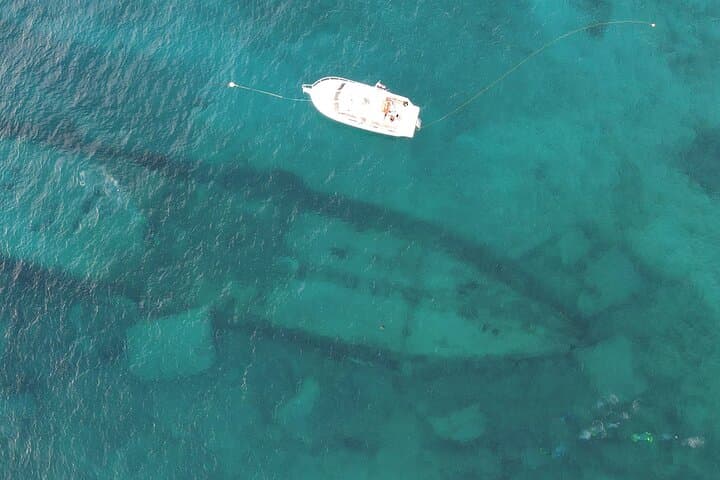
Expect dives in 30–60 feet of water over hard coral heads, patch reef gardens, and accessible shallow wrecks. Divemasters lead a group dive, point out parrotfish, angelfish, and the occasional green sea turtle, and manage safe returns to the boat. Boat transit is short thanks to the ocean-side launch — more time in the water, less in the mangroves.
Practical notes: bring your certification card and photo ID, check in an hour before departure, hydrate, and use reef-safe sunscreen. Comfortable buoyancy control and basic equalization skills make these dives rewarding. Photographers will appreciate dedicated camera rinse stations and a roomy camera table on deck. Respect the reef: avoid touching coral, use mooring buoys, and follow your guide’s safety brief to get the most out of two focused dives in one of the continental U.S.’s premier snorkeling and diving zones.
moderate.
4 hours.
Comfortable swimming ability and basic cardiovascular fitness; able to carry kit up a ladder and do repeated entries/exits.
Yes — divers must hold an open water or higher certification and present a certification card and government-issued ID at check-in.
Dives are typically in the 30–60 ft range over shallow reefs and wrecks; guided group dives are suitable for newly certified divers if they are comfortable with group skills and basic buoyancy.
Tanks (80 cu ft), weights, drinking water, snacks, camera rinse stations, hot-water deck showers, and on-board restroom are provided; additional gear rentals are available.
Trips may be canceled for bad weather or insufficient travelers; cancel at least 24 hours prior for a full refund per standard policy.
The Florida Keys National Marine Sanctuary, designated in 1990, protects living coral reefs and historic wrecks that have shaped local fishing and diving economies.
Diving operators encourage use of mooring buoys, no-touch policies, and reef‑safe sunscreen to limit damage to delicate coral communities.
Key Largo Dive Center operates guided outdoor trips and adventures with an emphasis on safety, stewardship, and memorable experiences.
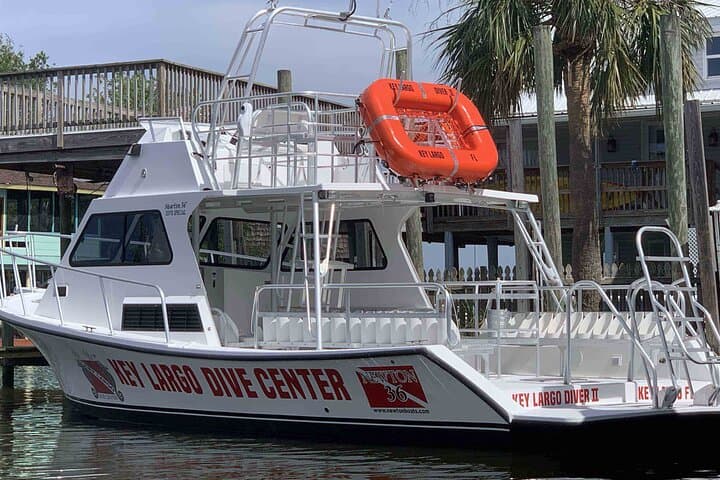
The boat rocks gently as the captain motors away from the mangrove-fringed shoreline and the Atlantic opens like a blue margin. Wearing fins and a regulator, divers feel the breeze and salt spray before the weight of the water takes over — two guided dives, a short surface interval, then a second descent into shallow wrecks and spur-and-groove reef.
The boat rocks gently as the captain motors away from the mangrove-fringed shoreline and the Atlantic opens like a blue margin. Wearing fins and a regulator, divers feel the breeze and salt spray before the weight of the water takes over — two guided dives, a short surface interval, then a second descent into shallow wrecks and spur-and-groove reef.
The Florida Keys National Marine Sanctuary protects coral growth that began millennia ago atop ancient limestone outcrops; currents sculpt the reef into ridges and channels where colorful life concentrates. Key Largo’s dive culture grew around these formations and the wrecks that now host sea fans and schooling fish. Locally, small fishing villages and dive shops shaped a practical, conservation-minded approach to recreation.
Expect dives in 30–60 feet of water over hard coral heads, patch reef gardens, and accessible shallow wrecks. Divemasters lead a group dive, point out parrotfish, angelfish, and the occasional green sea turtle, and manage safe returns to the boat. Boat transit is short thanks to the ocean-side launch — more time in the water, less in the mangroves.
Practical notes: bring your certification card and photo ID, check in an hour before departure, hydrate, and use reef-safe sunscreen. Comfortable buoyancy control and basic equalization skills make these dives rewarding. Photographers will appreciate dedicated camera rinse stations and a roomy camera table on deck. Respect the reef: avoid touching coral, use mooring buoys, and follow your guide’s safety brief to get the most out of two focused dives in one of the continental U.S.’s premier snorkeling and diving zones.