THE ADVENTURE COLLECTIVE® · Independent discovery and booking for outdoor travel

Explore two shore-access dives off Curaçao’s south coast — Pierbaai Reef and the Car Pile — in a guided small-group format. Ideal for certified divers who want clear water, shallow slopes, and rich reef life with minimal surface transit.
Explore two shore-access dives off Curaçao’s south coast — Pierbaai Reef and the Car Pile — in a guided small-group format. Ideal for certified divers who want clear water, shallow slopes, and rich reef life with minimal surface transit.
Footing on warm sand, you can hear the reef breathing: small waves folding over a shallow slope, a current nudging sand into ripples. The Dive Bus team briefs the group, you clip on tanks and roll into clear Caribbean water where visibility often stretches beyond 15 meters and the reef falls away in gentle terraces.
Verified experiences and guided adventures in the surrounding area.
Operated by The Dive Bus · Willemstad, Curaçao
Footing on warm sand, you can hear the reef breathing: small waves folding over a shallow slope, a current nudging sand into ripples. The Dive Bus team briefs the group, you clip on tanks and roll into clear Caribbean water where visibility often stretches beyond 15 meters and the reef falls away in gentle terraces.
Those terraces are limestone built from ancient reef growth and wind-blown sediments, part of Curaçao’s Pleistocene foundation. Dutch colonial history and a long maritime trade created harbors and marine traffic that today host artificial structures and wreck fragments — the “Car Pile” ghosts add structure for corals, sponges, and schooling fish. Local culture prizes shore diving: easy access, relaxed rhythms, and tight-knit dive shops that prioritize reef stewardship.
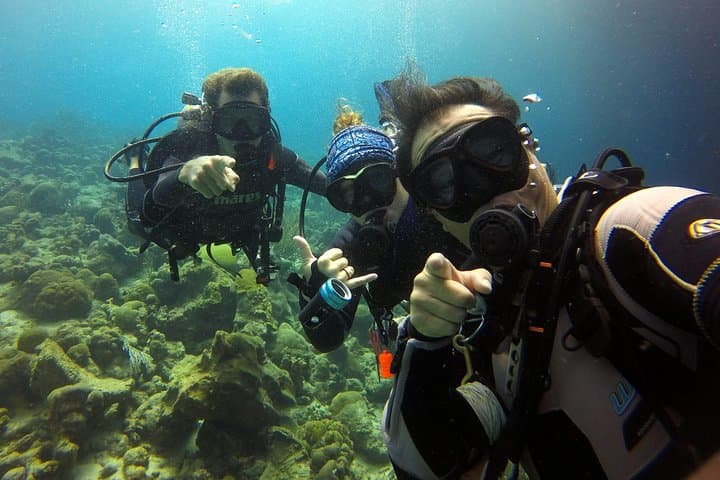
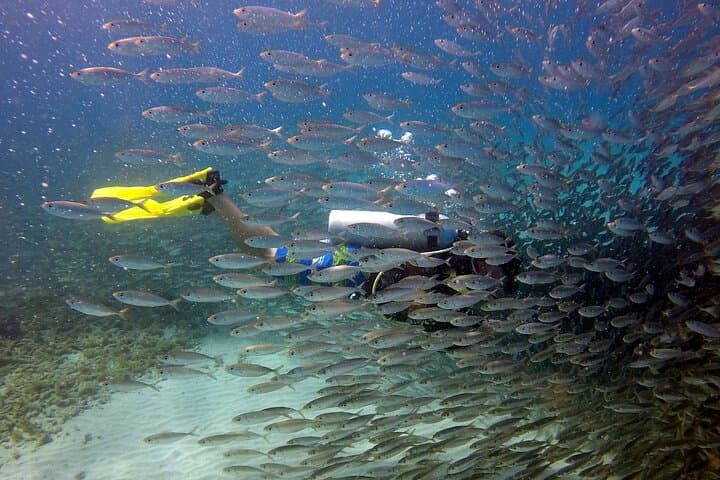
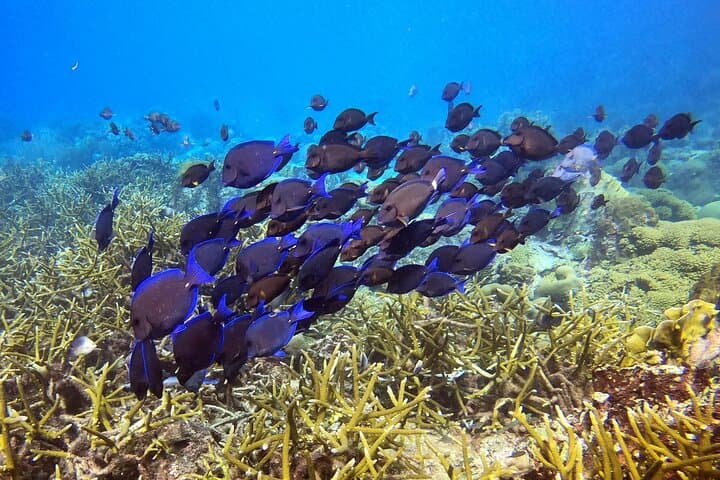
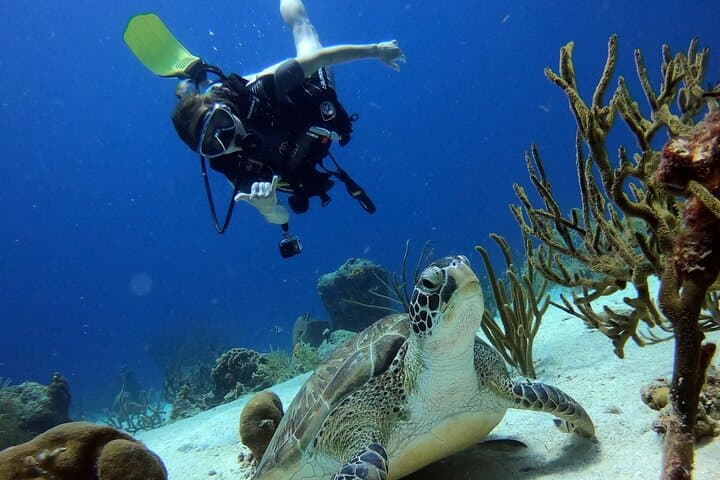
Expect close encounters with colorful reef fish, patchy coral gardens, and occasional macro finds in sandy pockets. The sites are sheltered and well suited to guided dives for certified divers and confident snorkelers seeking a longer first dive.
Practical guidance: arrive hydrated, with sunscreen applied before gearing up, and bring a surface marker buoy if you prefer extra visibility. Two dives run up to an hour each, air-dependent, inside a roughly four-hour window including briefings and surface intervals. If you haven’t dived in 18 months, book a refresher first. Support the local marine park by avoiding contact with corals and using reef-safe products — the reef rewards careful visitors with calm, clear dives and marine life that seems to watch you pass.
moderate.
4 hours.
Moderate fitness for getting gear on/off and making two shallow-to-moderate depth dives; basic swimming comfort required.
Yes — this is for certified divers who have dived within the last 18 months; if not, book a refresher course first.
Tanks and weights are included; expect briefings, guided dive leadership, and shore-based assistance from The Dive Bus team.
These shore dives are generally shallow-to-moderate, typically in the 5–18 meter range, suitable for most certified divers.
Full refund available if you cancel at least 24 hours before the scheduled departure time per provider policy.
Curaçao’s reefs grew on an uplifted limestone platform; centuries of maritime traffic and localized wrecks have created extra structure that modern divers now explore.
The area is part of Curaçao’s community-driven marine stewardship; avoid touching coral, use mooring points if available, and choose reef-safe sunscreen to limit impacts.
The Dive Bus operates guided outdoor trips and adventures with an emphasis on safety, stewardship, and memorable experiences.
Footing on warm sand, you can hear the reef breathing: small waves folding over a shallow slope, a current nudging sand into ripples. The Dive Bus team briefs the group, you clip on tanks and roll into clear Caribbean water where visibility often stretches beyond 15 meters and the reef falls away in gentle terraces.
Footing on warm sand, you can hear the reef breathing: small waves folding over a shallow slope, a current nudging sand into ripples. The Dive Bus team briefs the group, you clip on tanks and roll into clear Caribbean water where visibility often stretches beyond 15 meters and the reef falls away in gentle terraces.
Those terraces are limestone built from ancient reef growth and wind-blown sediments, part of Curaçao’s Pleistocene foundation. Dutch colonial history and a long maritime trade created harbors and marine traffic that today host artificial structures and wreck fragments — the “Car Pile” ghosts add structure for corals, sponges, and schooling fish. Local culture prizes shore diving: easy access, relaxed rhythms, and tight-knit dive shops that prioritize reef stewardship.
Expect close encounters with colorful reef fish, patchy coral gardens, and occasional macro finds in sandy pockets. The sites are sheltered and well suited to guided dives for certified divers and confident snorkelers seeking a longer first dive.
Practical guidance: arrive hydrated, with sunscreen applied before gearing up, and bring a surface marker buoy if you prefer extra visibility. Two dives run up to an hour each, air-dependent, inside a roughly four-hour window including briefings and surface intervals. If you haven’t dived in 18 months, book a refresher first. Support the local marine park by avoiding contact with corals and using reef-safe products — the reef rewards careful visitors with calm, clear dives and marine life that seems to watch you pass.