THE ADVENTURE COLLECTIVE® · Independent discovery and booking for outdoor travel

Take a 25–30 minute helicopter loop from the V&A Waterfront to see Clifton, the Twelve Apostles, Chapman's Peak, False Bay, Constantia vineyards and Table Mountain from the air. Perfect for first-time visitors who want to orient themselves and capture dramatic coastal panoramas.
Take a 25–30 minute helicopter loop from the V&A Waterfront to see Clifton, the Twelve Apostles, Chapman's Peak, False Bay, Constantia vineyards and Table Mountain from the air. Perfect for first-time visitors who want to orient themselves and capture dramatic coastal panoramas.
You lift off from the V&A Waterfront and the city unfurls beneath you—concrete and harbor giving way to a ribbon of white sand and sheer sandstone ridges. The helicopter banks gently, the Atlantic drawing your eye along Clifton and Camps Bay while the Twelve Apostles plunge toward the sea like an ordered cliff line daring you to look down. From Hout Bay the coastline bends into Chapman's Peak, and the flight arcs over False Bay before skimming the vineyards of Constantia and the flat crown of Table Mountain.
Verified experiences and guided adventures in the surrounding area.
Operated by Sport Helicopters Cape Town · Cape Town, Western Cape
You lift off from the V&A Waterfront and the city unfurls beneath you—concrete and harbor giving way to a ribbon of white sand and sheer sandstone ridges. The helicopter banks gently, the Atlantic drawing your eye along Clifton and Camps Bay while the Twelve Apostles plunge toward the sea like an ordered cliff line daring you to look down. From Hout Bay the coastline bends into Chapman's Peak, and the flight arcs over False Bay before skimming the vineyards of Constantia and the flat crown of Table Mountain.
Geology here is obvious: Table Mountain’s hard sandstone cap has resisted erosion for hundreds of millions of years while the rounded granite of the peninsula and the ocean’s sculpted cliffs tell of relentless waves. The V&A Waterfront itself is a working harbor-turned-cultural hub, built on 19th-century maritime trade and modern regeneration; Constantia is South Africa’s oldest wine-producing region, its estates dating back to the 17th century.
Expect live commentary, photo-ready panoramas, and a brief but intense window into Cape Town’s layout—stadium, lighthouse, Lion’s Head and City Bowl all become readable. Flights last about 25–30 minutes and conclude with a glass of sparkling wine and a short transfer back to the waterfront.
Practical guidance: aim for early morning light and calmer winds; secure camera memory and fast lenses for hand-held shots through plexiglass; disclose passenger weight when booking (operators enforce limits for balance); and wear layered clothing—the wind at rotor height is colder than onshore. If you’re prone to motion sickness, take precautions; otherwise this is a low-effort, high-reward way to orient yourself to Cape Town.
easy.
25–30 minutes.
No special fitness required; suitable for most travelers including children and seniors.
Flights run about 25–30 minutes and follow a loop from the V&A Waterfront along the Atlantic coast, over False Bay and back over Table Mountain.
Yes—passengers over approximately 130 kg may be required to book an additional seat to meet balance and safety requirements; disclose weight when booking.
The operator lists wheelchair-accessible services and transport; notify them in advance so staff can prepare assistance.
Tours can be canceled for poor weather for safety; you can cancel up to 24 hours in advance for a full refund per the operator policy.
The V&A Waterfront grew from 19th-century harbor works and is now a cultural and commercial hub; Constantia contains some of the oldest wine estates in South Africa dating to Dutch colonial settlement.
Flights cross sensitive coastal and marine habitats—respect wildlife by avoiding low passes over colonies and support operators who follow flight-path regulations and local conservation guidelines.
Sport Helicopters Cape Town operates guided outdoor trips and adventures with an emphasis on safety, stewardship, and memorable experiences.

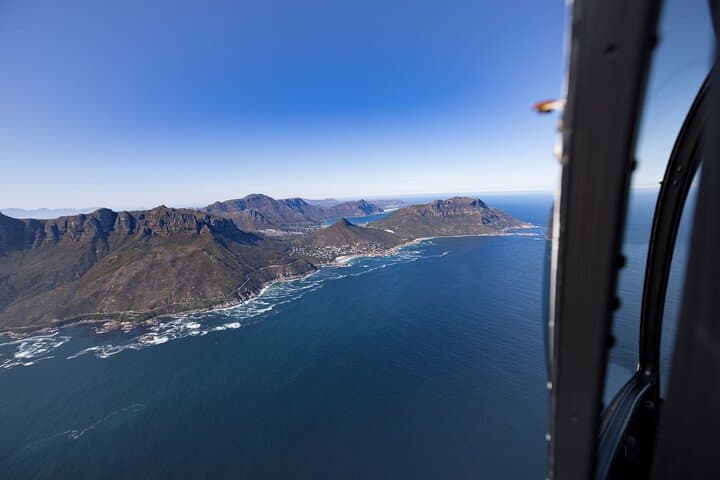
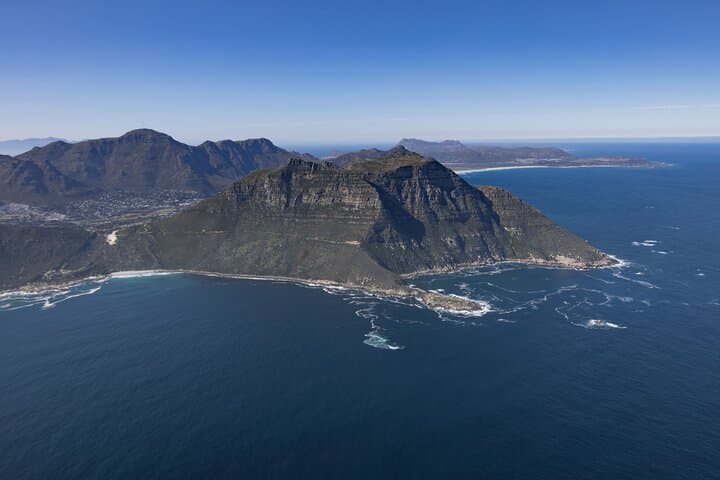
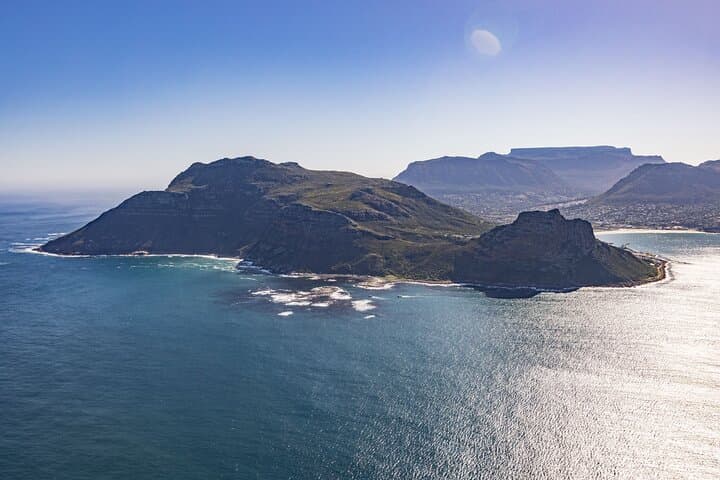
You lift off from the V&A Waterfront and the city unfurls beneath you—concrete and harbor giving way to a ribbon of white sand and sheer sandstone ridges. The helicopter banks gently, the Atlantic drawing your eye along Clifton and Camps Bay while the Twelve Apostles plunge toward the sea like an ordered cliff line daring you to look down. From Hout Bay the coastline bends into Chapman's Peak, and the flight arcs over False Bay before skimming the vineyards of Constantia and the flat crown of Table Mountain.
You lift off from the V&A Waterfront and the city unfurls beneath you—concrete and harbor giving way to a ribbon of white sand and sheer sandstone ridges. The helicopter banks gently, the Atlantic drawing your eye along Clifton and Camps Bay while the Twelve Apostles plunge toward the sea like an ordered cliff line daring you to look down. From Hout Bay the coastline bends into Chapman's Peak, and the flight arcs over False Bay before skimming the vineyards of Constantia and the flat crown of Table Mountain.
Geology here is obvious: Table Mountain’s hard sandstone cap has resisted erosion for hundreds of millions of years while the rounded granite of the peninsula and the ocean’s sculpted cliffs tell of relentless waves. The V&A Waterfront itself is a working harbor-turned-cultural hub, built on 19th-century maritime trade and modern regeneration; Constantia is South Africa’s oldest wine-producing region, its estates dating back to the 17th century.
Expect live commentary, photo-ready panoramas, and a brief but intense window into Cape Town’s layout—stadium, lighthouse, Lion’s Head and City Bowl all become readable. Flights last about 25–30 minutes and conclude with a glass of sparkling wine and a short transfer back to the waterfront.
Practical guidance: aim for early morning light and calmer winds; secure camera memory and fast lenses for hand-held shots through plexiglass; disclose passenger weight when booking (operators enforce limits for balance); and wear layered clothing—the wind at rotor height is colder than onshore. If you’re prone to motion sickness, take precautions; otherwise this is a low-effort, high-reward way to orient yourself to Cape Town.