THE ADVENTURE COLLECTIVE® · Independent discovery and booking for outdoor travel

A compact, two-night Nile cruise linking Aswan and Luxor that combines luxury aboard with guided visits to Abu Simbel, Kom Ombo, Edfu, and Luxor’s West Bank. Ideal for travelers wanting a short, curated sweep through Egypt’s major monuments.
A compact, two-night Nile cruise linking Aswan and Luxor that combines luxury aboard with guided visits to Abu Simbel, Kom Ombo, Edfu, and Luxor’s West Bank. Ideal for travelers wanting a short, curated sweep through Egypt’s major monuments.
Dawn slips over the Nile and the ship answers with the creak of ropes and the hiss of hot coffee on the deck. On a two-night cruise from Aswan to Luxor the river takes the lead—its slow, brown current guiding the vessel past palm-fringed islands, temple colonnades, and village gardens that lean toward the water as if to get a better look.
Verified experiences and guided adventures in the surrounding area.
Operated by Saray El-Nile · Aswan, Aswan Governorate
Dawn slips over the Nile and the ship answers with the creak of ropes and the hiss of hot coffee on the deck. On a two-night cruise from Aswan to Luxor the river takes the lead—its slow, brown current guiding the vessel past palm-fringed islands, temple colonnades, and village gardens that lean toward the water as if to get a better look.
This short itinerary compresses Egypt’s layered history: colossal New Kingdom monuments, Ptolemaic additions, and Coptic and Islamic settlements that followed. Geology is plain to read here—sandstone cliffs, silted river flats, and the archaeological strata where tombs and temples cling to the West Bank. Culturally, the cruise pairs formal Egyptologist-led tours with local moments: a horse-drawn carriage at Edfu, the bright markets of Luxor, and sunsets that make the temple reliefs glow.
For travelers, the experience is part floating hotel, part guided archaeological circuit. Expect early starts for temple visits, guided commentary at major sites, and steady time on board to relax between landings. Practical planning: carry photocopies of travel documents, small bills in Egyptian pounds for tipping, and a daypack for shrine visits where bags are limited.
Comfortable walking shoes, sun protection, and a lightweight layer for cool mornings will cover most conditions. If you want sunrise photos at Luxor or a balloon flight, schedule them before transfers. Respect site rules—no touching painted reliefs—and follow your guide’s advice to move efficiently through popular tombs. The Nile moves slowly, but this itinerary moves you quickly through Egypt’s most iconic sights.
easy.
2–3 days.
Suitable for travelers in average physical condition; involves short walks, stairs at temples, and some uneven surfaces.
Most nationalities require an Egyptian visa; check your country’s requirements and obtain the visa before travel or on arrival where available.
The itinerary notes admissions included to specific sites — confirm with the operator which tombs and temple entries are covered and which require additional fees.
Yes; the program is rated easy and accommodates a wide range of ages, though some sites have stairs and uneven ground that may be challenging for limited mobility.
Tipping is customary; budget small daily amounts for the guide and a pooled gratuity for the ship’s crew, often suggested by the operator or guide.
The Nile has been Egypt’s lifeline for millennia; many temples along this route were strategically built on its banks to harness river access for trade and ritual.
High visitor numbers stress fragile tomb paints and temple stones — follow site rules, avoid flash photography where prohibited, and use local services to support community conservation.
Saray El-Nile operates guided outdoor trips and adventures with an emphasis on safety, stewardship, and memorable experiences.


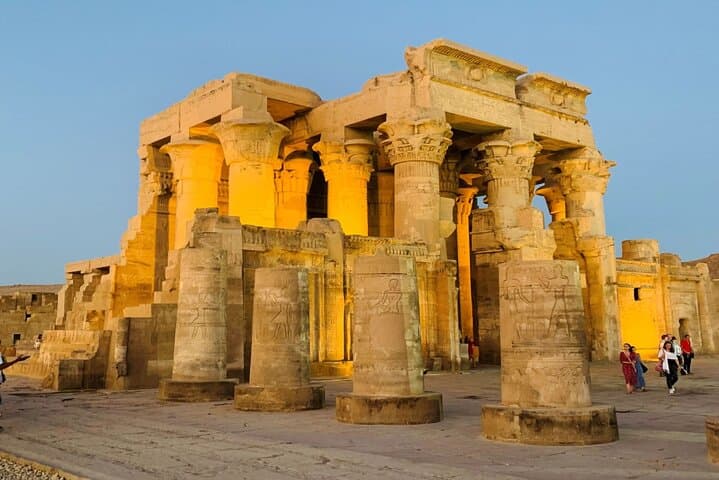

Dawn slips over the Nile and the ship answers with the creak of ropes and the hiss of hot coffee on the deck. On a two-night cruise from Aswan to Luxor the river takes the lead—its slow, brown current guiding the vessel past palm-fringed islands, temple colonnades, and village gardens that lean toward the water as if to get a better look.
Dawn slips over the Nile and the ship answers with the creak of ropes and the hiss of hot coffee on the deck. On a two-night cruise from Aswan to Luxor the river takes the lead—its slow, brown current guiding the vessel past palm-fringed islands, temple colonnades, and village gardens that lean toward the water as if to get a better look.
This short itinerary compresses Egypt’s layered history: colossal New Kingdom monuments, Ptolemaic additions, and Coptic and Islamic settlements that followed. Geology is plain to read here—sandstone cliffs, silted river flats, and the archaeological strata where tombs and temples cling to the West Bank. Culturally, the cruise pairs formal Egyptologist-led tours with local moments: a horse-drawn carriage at Edfu, the bright markets of Luxor, and sunsets that make the temple reliefs glow.
For travelers, the experience is part floating hotel, part guided archaeological circuit. Expect early starts for temple visits, guided commentary at major sites, and steady time on board to relax between landings. Practical planning: carry photocopies of travel documents, small bills in Egyptian pounds for tipping, and a daypack for shrine visits where bags are limited.
Comfortable walking shoes, sun protection, and a lightweight layer for cool mornings will cover most conditions. If you want sunrise photos at Luxor or a balloon flight, schedule them before transfers. Respect site rules—no touching painted reliefs—and follow your guide’s advice to move efficiently through popular tombs. The Nile moves slowly, but this itinerary moves you quickly through Egypt’s most iconic sights.