THE ADVENTURE COLLECTIVE® · Independent discovery and booking for outdoor travel

Spend two nights under the stars in Wilpattu National Park with four safari sessions that focus on predators, waterhole activity, and birdlife. This private camping option pairs simple comforts with close-up wildlife viewing across Sri Lanka’s largest natural forest reserve.
Spend two nights under the stars in Wilpattu National Park with four safari sessions that focus on predators, waterhole activity, and birdlife. This private camping option pairs simple comforts with close-up wildlife viewing across Sri Lanka’s largest natural forest reserve.
You step from the jeep into heat tempered by a breeze off the lagoon; tall dry-grass spits at your ankles and a gnarled banyan watches the track. Night here arrives fast and sharp: cicadas tighten their chorus, and the dark pulls distant shapes toward the sounds of the bush.
Verified experiences and guided adventures in the surrounding area.
Operated by Lakpura LLC · Anuradhapura, North Central Province
You step from the jeep into heat tempered by a breeze off the lagoon; tall dry-grass spits at your ankles and a gnarled banyan watches the track. Night here arrives fast and sharp: cicadas tighten their chorus, and the dark pulls distant shapes toward the sounds of the bush.
Wilpattu is Sri Lanka’s largest natural forest reserve, carved from coastal plains and dotted with shallow tanks—“villus”—that collect rain and attract wildlife. The landscape is Pleistocene sand and sediment, strewn with scrub and pockets of dense canopy; leopard spoor and sambar tracks are part of the site’s quiet language. Culturally, the park sits between Tamil and Sinhala agricultural zones, and local communities have fished and foraged here for generations.
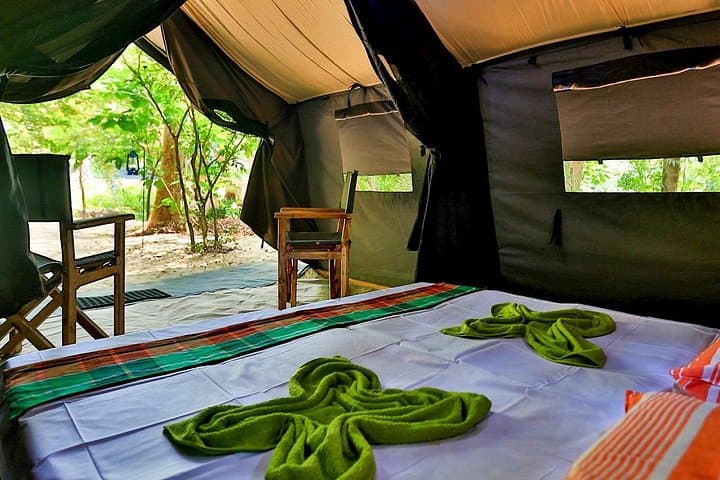
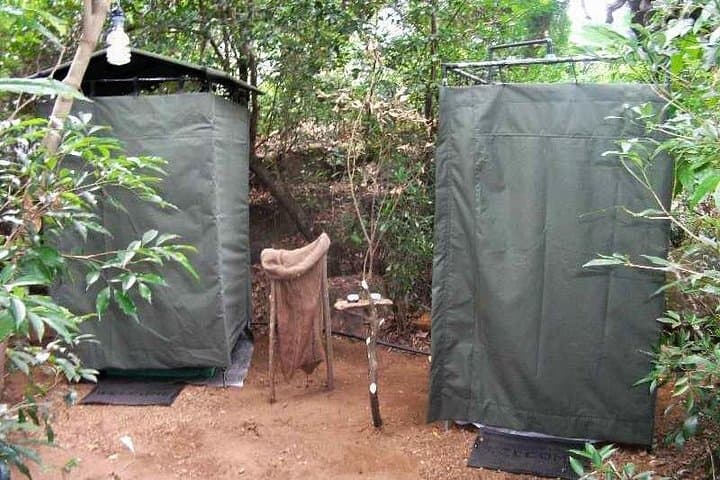
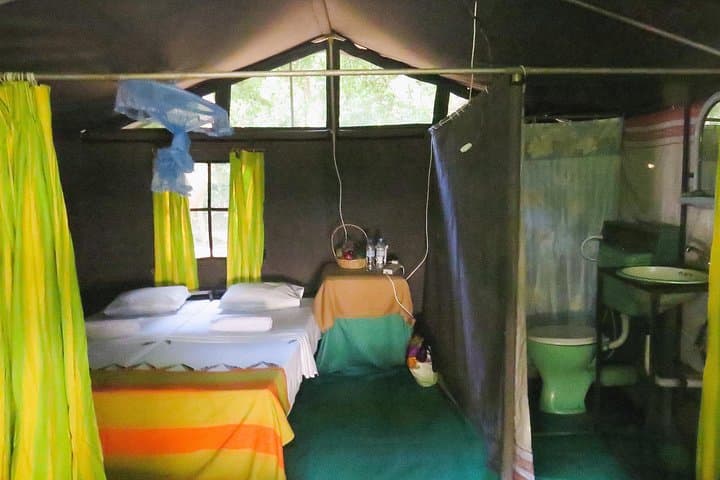
A two-night camp is about concentrated observation: four safari sessions, basic private camps with mattresses and washrooms, and full-board meals that close the day around a low flame. Expect early-morning drives when predators and birds are most active, and slow afternoon patrols toward water holes that dare thirsty animals forward.
Practical notes: pack insect repellent, a headlamp, layered clothing for cool pre-dawn hours, and sturdy shoes for short walks at the camps. Hydrate before long drives; follow your guide’s instructions—park rules and animal behavior matter. Photography with long lenses rewards patience. Weather is seasonal—mornings can be humid, and the access roads become sticky after heavy rains—so check conditions and confirm park entry logistics in advance.
moderate.
48 hours (2 days).
Suitable for most fitness levels; able to tolerate bumpy vehicle rides and short walks around camp.
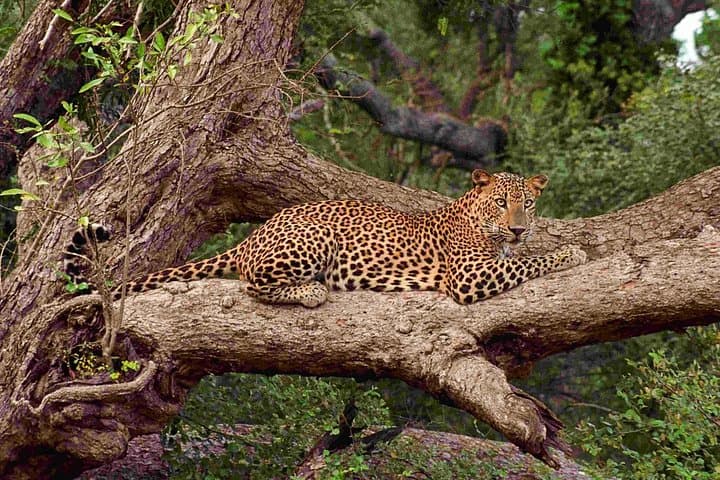
Leopards are present in Wilpattu and sightings occur, but they are not guaranteed; multiple safari sessions increase your chances.
Camps include mattresses, pillows, clean linen, and separate washrooms; expect simple, private camp amenities rather than a lodge setup.
The tour notes advise against travel for pregnant guests and those with serious spinal or cardiovascular issues; check operator guidance for age minimums.
Park entrance tickets are included with the trip; confirm ID requirements and permit timings with the operator before arrival.
Wilpattu has been a traditional resource area for surrounding rural communities and was officially designated a national park in the mid-20th century to protect its unique villu-fen ecosystems.
Visitor numbers are managed to limit disturbance to sensitive waterholes; follow leave-no-trace principles and avoid feeding or approaching wildlife to support ongoing conservation.
Lakpura LLC operates guided outdoor trips and adventures with an emphasis on safety, stewardship, and memorable experiences.
You step from the jeep into heat tempered by a breeze off the lagoon; tall dry-grass spits at your ankles and a gnarled banyan watches the track. Night here arrives fast and sharp: cicadas tighten their chorus, and the dark pulls distant shapes toward the sounds of the bush.
You step from the jeep into heat tempered by a breeze off the lagoon; tall dry-grass spits at your ankles and a gnarled banyan watches the track. Night here arrives fast and sharp: cicadas tighten their chorus, and the dark pulls distant shapes toward the sounds of the bush.
Wilpattu is Sri Lanka’s largest natural forest reserve, carved from coastal plains and dotted with shallow tanks—“villus”—that collect rain and attract wildlife. The landscape is Pleistocene sand and sediment, strewn with scrub and pockets of dense canopy; leopard spoor and sambar tracks are part of the site’s quiet language. Culturally, the park sits between Tamil and Sinhala agricultural zones, and local communities have fished and foraged here for generations.
A two-night camp is about concentrated observation: four safari sessions, basic private camps with mattresses and washrooms, and full-board meals that close the day around a low flame. Expect early-morning drives when predators and birds are most active, and slow afternoon patrols toward water holes that dare thirsty animals forward.
Practical notes: pack insect repellent, a headlamp, layered clothing for cool pre-dawn hours, and sturdy shoes for short walks at the camps. Hydrate before long drives; follow your guide’s instructions—park rules and animal behavior matter. Photography with long lenses rewards patience. Weather is seasonal—mornings can be humid, and the access roads become sticky after heavy rains—so check conditions and confirm park entry logistics in advance.