THE ADVENTURE COLLECTIVE® · Independent discovery and booking for outdoor travel

Spend a day from Paris moving between two of the Loire Valley’s most iconic châteaux: the river-spanning elegance of Chenonceau and the monumental terraces of Chambord. Expect 6–8 hours, cobbled paths, and concentrated history in two very different royal residences.
Spend a day from Paris moving between two of the Loire Valley’s most iconic châteaux: the river-spanning elegance of Chenonceau and the monumental terraces of Chambord. Expect 6–8 hours, cobbled paths, and concentrated history in two very different royal residences.
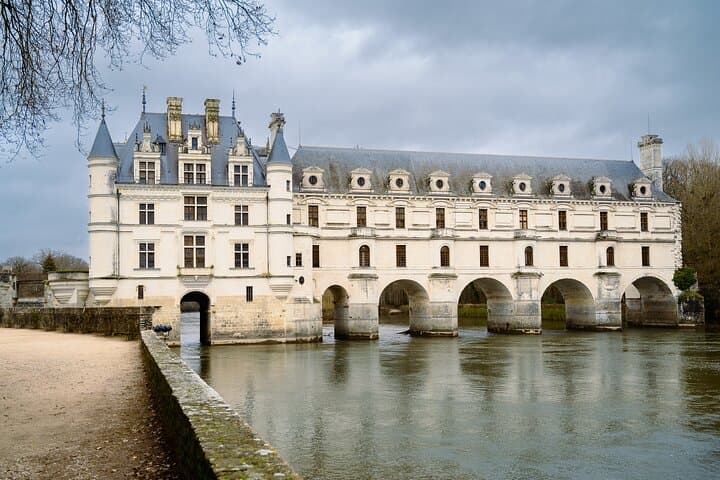
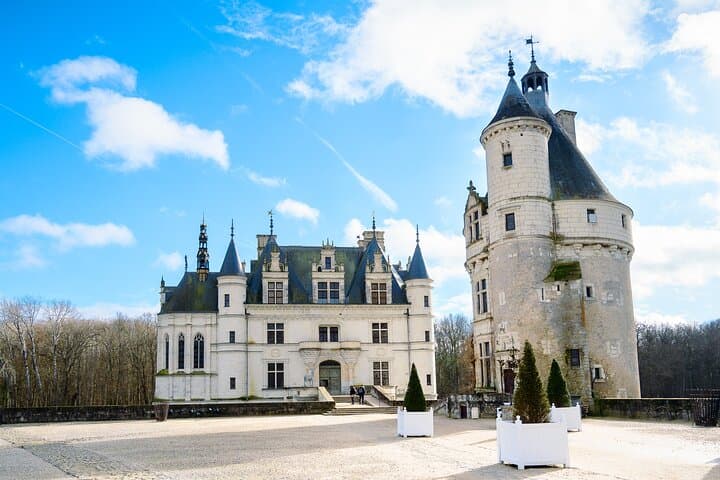
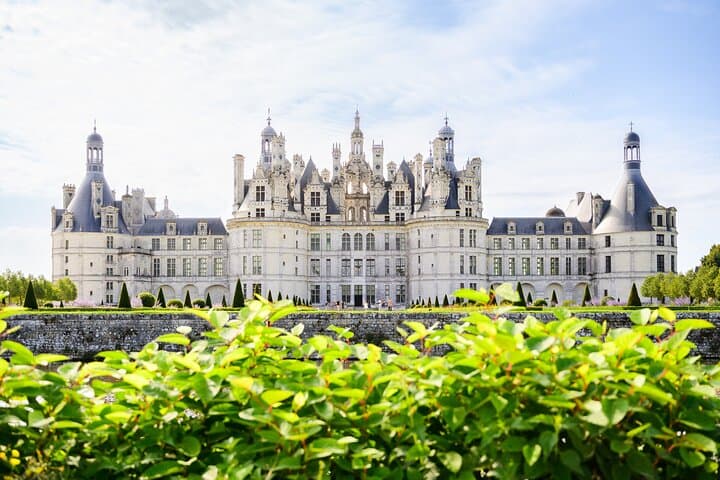
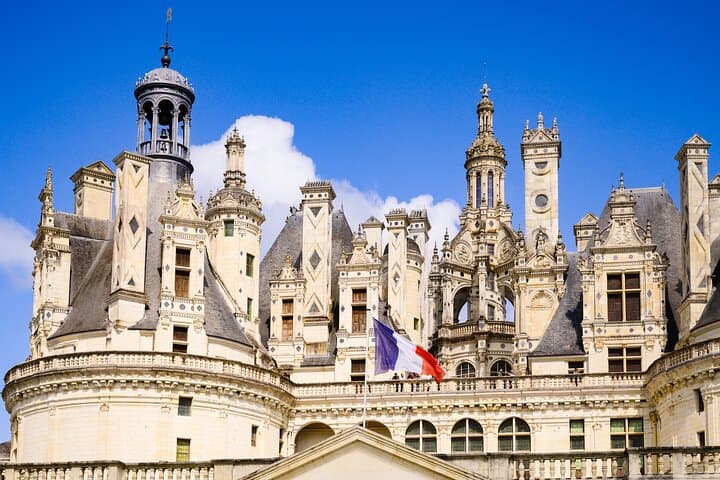
The bus pulls away from Paris before dawn and by midmorning the Loire spreads out: a ribbon of green fields and folded forests, with stone roofs punctuating the horizon. At Chenonceau the River Cher dares you to cross—arched galleries stretch over water, and gardens mount a fragrant, geometric assault on the senses. Later, Chambord rises from the hunting grounds like a challenge: terraces, chimneys, and that famous double-helix staircase demanding a closer look.
Verified experiences and guided adventures in the surrounding area.
Operated by Come and Go · Chenonceaux, Indre-et-Loire
The bus pulls away from Paris before dawn and by midmorning the Loire spreads out: a ribbon of green fields and folded forests, with stone roofs punctuating the horizon. At Chenonceau the River Cher dares you to cross—arched galleries stretch over water, and gardens mount a fragrant, geometric assault on the senses. Later, Chambord rises from the hunting grounds like a challenge: terraces, chimneys, and that famous double-helix staircase demanding a closer look.
These two châteaux trace France’s Renaissance and royal habits. Chambord began as Francis I’s extravagant hunting lodge, its plan influenced by Italian masters (Leonardo may have left ideas behind). Chenonceau grew from a medieval mill into the “Ladies’ Castle,” shaped by powerful women whose gardens and galleries still mark the landscape. Geologically, the soft tufa and limestone of the Loire allowed the ornate foundations and river spans; forested plateaus around Chambord shelter deer and centuries of hunt routes.
Practical rhythm: expect roughly 6–8 hours round-trip from Paris, with two 90–120 minute visits; most walking is on cobbles, steps, and manicured paths. Bring comfortable shoes for uneven surfaces, a light layer for breezy river crossings, and a bottle of water—the summer sun can be blunt. Photography is straightforward but respect signage in preserved rooms. If timing is tight, prioritize roof terraces at Chambord for the best panorama and the gallery over the Cher at Chenonceau for the classic view. Travel early to avoid tour-peak crowds and leave room to wander the estate paths—the Loire rewards those who slow down.
easy.
6–8 hours.
Basic fitness required: standing, walking on uneven ground, and climbing stairs intermittently
Yes—this itinerary specifies that entrance fees for both Château de Chambord and Château de Chenonceau are included.
Expect about 6–8 hours total; the trip departs from Paris (pickup options are offered), with roughly 90–120 minutes spent at each château.
Both castles have cobbles, steps, and some areas with limited accessibility; travelers with serious mobility constraints should contact the operator for specific accessibility options.
Yes, but coordinating independent transportation and timed entries is more complex—booked day trips simplify logistics but limit the time you can spend at each site.
Chambord was built in the 16th century as a royal hunting lodge for Francis I and reflects Italian Renaissance influence; Chenonceau was expanded across the Cher and became associated with influential women like Diane de Poitiers and Catherine de Medici.
Both estates balance heavy visitation with preservation: stick to marked paths, avoid touching period surfaces, and support local conservation efforts by using official parking and services.
Come and Go operates guided outdoor trips and adventures with an emphasis on safety, stewardship, and memorable experiences.
The bus pulls away from Paris before dawn and by midmorning the Loire spreads out: a ribbon of green fields and folded forests, with stone roofs punctuating the horizon. At Chenonceau the River Cher dares you to cross—arched galleries stretch over water, and gardens mount a fragrant, geometric assault on the senses. Later, Chambord rises from the hunting grounds like a challenge: terraces, chimneys, and that famous double-helix staircase demanding a closer look.
The bus pulls away from Paris before dawn and by midmorning the Loire spreads out: a ribbon of green fields and folded forests, with stone roofs punctuating the horizon. At Chenonceau the River Cher dares you to cross—arched galleries stretch over water, and gardens mount a fragrant, geometric assault on the senses. Later, Chambord rises from the hunting grounds like a challenge: terraces, chimneys, and that famous double-helix staircase demanding a closer look.
These two châteaux trace France’s Renaissance and royal habits. Chambord began as Francis I’s extravagant hunting lodge, its plan influenced by Italian masters (Leonardo may have left ideas behind). Chenonceau grew from a medieval mill into the “Ladies’ Castle,” shaped by powerful women whose gardens and galleries still mark the landscape. Geologically, the soft tufa and limestone of the Loire allowed the ornate foundations and river spans; forested plateaus around Chambord shelter deer and centuries of hunt routes.
Practical rhythm: expect roughly 6–8 hours round-trip from Paris, with two 90–120 minute visits; most walking is on cobbles, steps, and manicured paths. Bring comfortable shoes for uneven surfaces, a light layer for breezy river crossings, and a bottle of water—the summer sun can be blunt. Photography is straightforward but respect signage in preserved rooms. If timing is tight, prioritize roof terraces at Chambord for the best panorama and the gallery over the Cher at Chenonceau for the classic view. Travel early to avoid tour-peak crowds and leave room to wander the estate paths—the Loire rewards those who slow down.