THE ADVENTURE COLLECTIVE® · Independent discovery and booking for outdoor travel

Slide out of Puerto Colón and into Tenerife’s cetacean zone on a brisk two‑hour cruise where dolphins, turtles and occasional whales play in the currents. Calm seas and daily departures make this an easy wildlife encounter for nearly any traveler.
Slide out of Puerto Colón and into Tenerife’s cetacean zone on a brisk two‑hour cruise where dolphins, turtles and occasional whales play in the currents. Calm seas and daily departures make this an easy wildlife encounter for nearly any traveler.
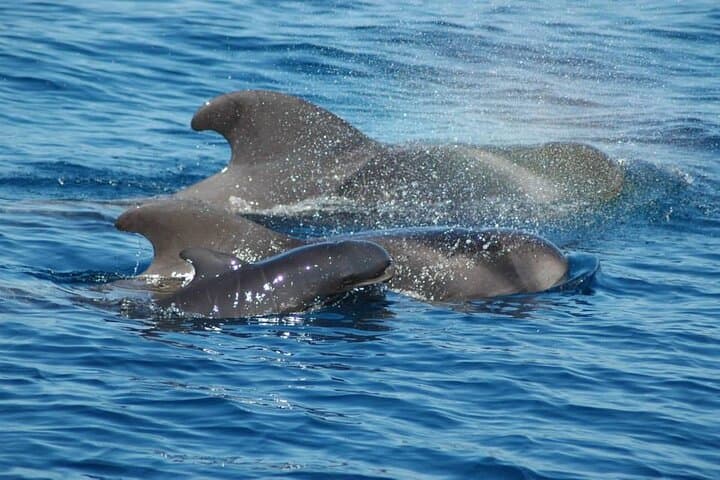
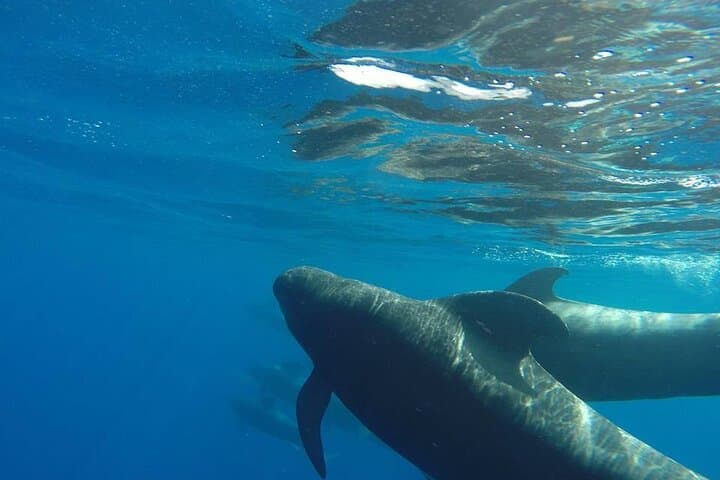
The boat slips away from the stone piers of Puerto Colón and the Atlantic opens like a dark highway. Within minutes the hull finds the cetacean ecological zone off Costa Adeje, where bottlenose dolphins slice the surface and sperm whales pass deeper, almost indifferent to the small human audience.
Verified experiences and guided adventures in the surrounding area.
Operated by OCEAN BLUE TENERIFE · Costa Adeje, Santa Cruz de Tenerife
The boat slips away from the stone piers of Puerto Colón and the Atlantic opens like a dark highway. Within minutes the hull finds the cetacean ecological zone off Costa Adeje, where bottlenose dolphins slice the surface and sperm whales pass deeper, almost indifferent to the small human audience.
This stretch of southern Tenerife sits on volcanic seabed carved by ancient eruptions and sculpted by ocean currents; calderones (pilot whales) and resident dolphins are part of a living coastline shaped by lava flows and trade winds. Local crews have worked these waters for generations, shifting from tuna nets to wildlife tours as tourism grew in the late 20th century.
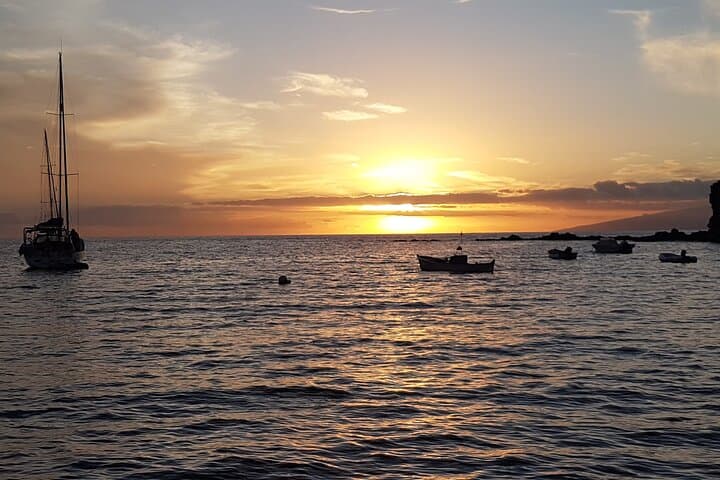
Expect clean, saline air, a patchwork of sea birds and brief spikes of speed as dolphins race the bow. The trip includes light snacks and a coastline orientation—views of Costa Adeje beaches, nearby volcanic profiles, and cliff faces that reveal the island’s basalt bones.
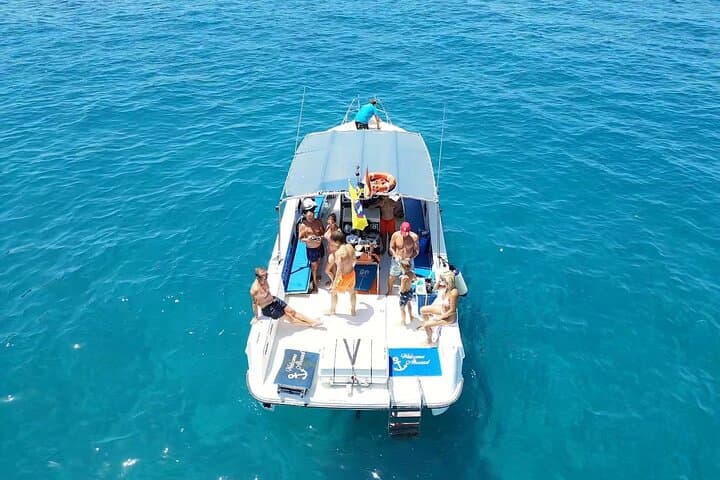
Practically, this is an easy, family-friendly outing: two hours aboard a small passenger vessel with space for up to 20 people. Wear layers and bring sun protection; binoculars and a camera with a zoom lens improve your chances of crisp wildlife shots. If you’re prone to motion sickness, take medication before boarding. Operators practice responsible viewing here—approach distances are controlled and sightings are never guaranteed, but the chances are high year-round.
Timing: early morning trips often find calmer seas and more active wildlife. Bring a reusable bottle, keep phone cameras ready, and let the ocean do the rest.
easy.
2 hours.
Suitable for most fitness levels—requires ability to step on/off a small boat and stand for short periods
No—operators follow known cetacean routes to maximize chances, but wildlife are free‑roaming and sightings cannot be guaranteed.
Yes; the excursion is rated easy and the vessel accommodates families, though infants must sit on laps per operator policy.
Wear layered clothing, a windproof jacket, closed shoes with good grip, and sun protection—mornings can be cool and windy.
Operators adhere to regulated approach distances for safety and conservation; boats do not chase animals and will keep respectful distance.
Southern Tenerife’s waters were long used by local fishers; as tourism expanded in the 20th century, crews adapted boats for guided wildlife viewing rather than large‑scale fishing.
Operators in this area follow Canary Islands regulations on approach distances and encourage catch‑and‑release for accidental fisheries interactions; visitors should avoid feeding or attempting to touch wildlife.
OCEAN BLUE TENERIFE operates guided outdoor trips and adventures with an emphasis on safety, stewardship, and memorable experiences.
The boat slips away from the stone piers of Puerto Colón and the Atlantic opens like a dark highway. Within minutes the hull finds the cetacean ecological zone off Costa Adeje, where bottlenose dolphins slice the surface and sperm whales pass deeper, almost indifferent to the small human audience.
The boat slips away from the stone piers of Puerto Colón and the Atlantic opens like a dark highway. Within minutes the hull finds the cetacean ecological zone off Costa Adeje, where bottlenose dolphins slice the surface and sperm whales pass deeper, almost indifferent to the small human audience.
This stretch of southern Tenerife sits on volcanic seabed carved by ancient eruptions and sculpted by ocean currents; calderones (pilot whales) and resident dolphins are part of a living coastline shaped by lava flows and trade winds. Local crews have worked these waters for generations, shifting from tuna nets to wildlife tours as tourism grew in the late 20th century.
Expect clean, saline air, a patchwork of sea birds and brief spikes of speed as dolphins race the bow. The trip includes light snacks and a coastline orientation—views of Costa Adeje beaches, nearby volcanic profiles, and cliff faces that reveal the island’s basalt bones.
Practically, this is an easy, family-friendly outing: two hours aboard a small passenger vessel with space for up to 20 people. Wear layers and bring sun protection; binoculars and a camera with a zoom lens improve your chances of crisp wildlife shots. If you’re prone to motion sickness, take medication before boarding. Operators practice responsible viewing here—approach distances are controlled and sightings are never guaranteed, but the chances are high year-round.
Timing: early morning trips often find calmer seas and more active wildlife. Bring a reusable bottle, keep phone cameras ready, and let the ocean do the rest.