THE ADVENTURE COLLECTIVE® · Independent discovery and booking for outdoor travel

A brisk, scenic two-hour bike tour from South Portland that visits Portland Breakwater "Bug Light" and Spring Point Ledge Light beside Fort Preble. Expect paved greenbelt trails, seawall walks, and coastal history packed into a relaxed ride.
A brisk, scenic two-hour bike tour from South Portland that visits Portland Breakwater "Bug Light" and Spring Point Ledge Light beside Fort Preble. Expect paved greenbelt trails, seawall walks, and coastal history packed into a relaxed ride.
You roll out from the bike shop with salt on the air and a cool Atlantic breeze pushing at your back. The path threads through low salt marshes and tidy neighborhoods, then opens onto wide views of Portland Harbor. Bug Light, squat and iron-laced, appears first — a small, cheerful guidepost at the edge of the breakwater — before the long granite arm leading to Spring Point Ledge Light comes into view, the lighthouse standing guard near historic Fort Preble.
Verified experiences and guided adventures in the surrounding area.
Operated by Lighthouse Bikes · South Portland, Maine
You roll out from the bike shop with salt on the air and a cool Atlantic breeze pushing at your back. The path threads through low salt marshes and tidy neighborhoods, then opens onto wide views of Portland Harbor. Bug Light, squat and iron-laced, appears first — a small, cheerful guidepost at the edge of the breakwater — before the long granite arm leading to Spring Point Ledge Light comes into view, the lighthouse standing guard near historic Fort Preble.
This compact coastal ride stitches together local history and coastal geology. Bug Light (Portland Breakwater Light) dates to 1875 and marked the entrance to the harbor; Spring Point Ledge Light, placed on a granite breakwater in 1897, sits beside Fort Preble — a defensive site with origins in the War of 1812 and active through World War II. The shoreline is glacially scoured bedrock, dotted with cobble beaches and engineered granite piers that fishermen and walkers still use today.
Practical advice: expect mostly paved bike-path and short stretches of quiet road with minimal elevation gain — this is a flat, accessible two-hour loop. Bring a helmet (provided by the operator), windproof layers, and water; coastal wind can change quickly. Plan for camera stops at the breakwater and allow time to walk out onto the granite to visit Spring Point Light. Morning rides tend to be calmer; afternoon sessions catch softer light and more boat traffic.
The route is beginner-friendly but keeps a brisk coastal rhythm — a short, sensory ride that pairs easy miles with solid local history and reliable harbor views.
easy.
2 hours.
Suitable for most fitness levels; requires basic cycling ability and short periods of standing/pedaling.
The tour is two hours; riders typically cover 6–8 miles round trip on paved paths and quiet roads with frequent stops.
Yes—bicycle use and helmets are included; the operator outfits riders at the shop before departure.
The tour is rated easy and suitable for most fitness levels, but basic bike handling is required; check age or height restrictions with the operator.
Yes—the granite breakwater is walkable and commonly used to reach Spring Point Ledge Light, but exercise caution on wet or windy days.
Fort Preble, adjacent to Spring Point, originated in the War of 1812 and remained a coastal defense site through World War II; both lighthouses were built in the late 19th century to guide traffic into Portland Harbor.
The shoreline is sensitive to erosion and nesting shorebirds—stick to paths, pack out trash, and avoid disturbing wildlife to protect fragile coastal habitats.
Lighthouse Bikes operates guided outdoor trips and adventures with an emphasis on safety, stewardship, and memorable experiences.
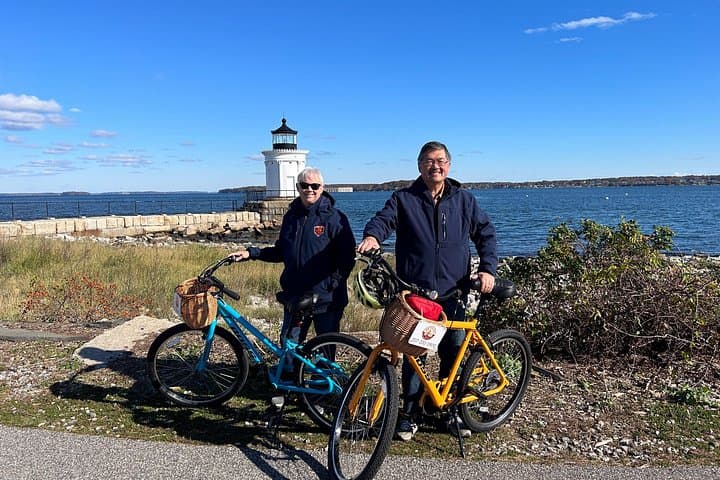
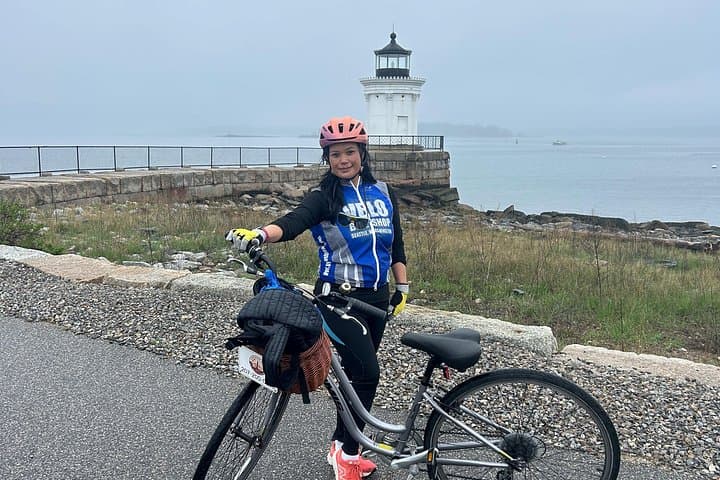
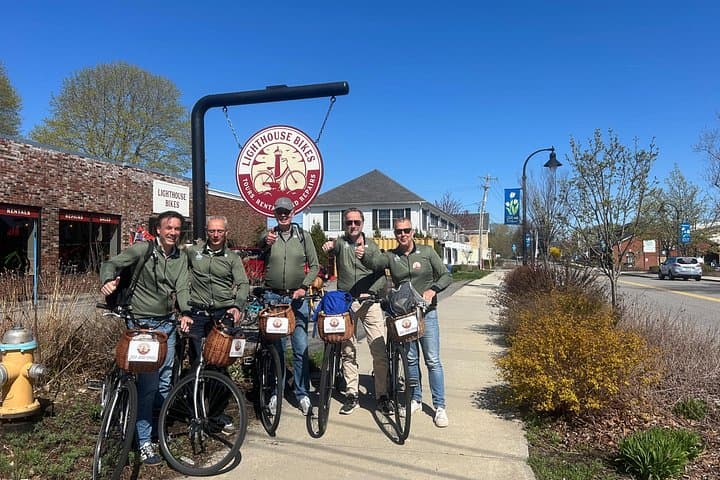
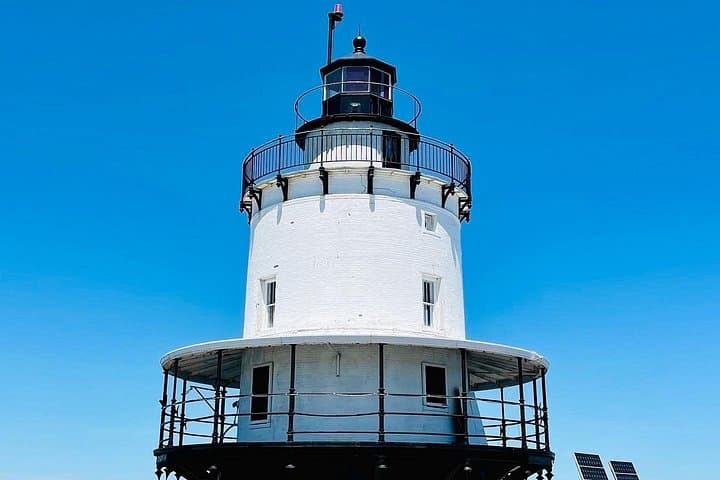
You roll out from the bike shop with salt on the air and a cool Atlantic breeze pushing at your back. The path threads through low salt marshes and tidy neighborhoods, then opens onto wide views of Portland Harbor. Bug Light, squat and iron-laced, appears first — a small, cheerful guidepost at the edge of the breakwater — before the long granite arm leading to Spring Point Ledge Light comes into view, the lighthouse standing guard near historic Fort Preble.
You roll out from the bike shop with salt on the air and a cool Atlantic breeze pushing at your back. The path threads through low salt marshes and tidy neighborhoods, then opens onto wide views of Portland Harbor. Bug Light, squat and iron-laced, appears first — a small, cheerful guidepost at the edge of the breakwater — before the long granite arm leading to Spring Point Ledge Light comes into view, the lighthouse standing guard near historic Fort Preble.
This compact coastal ride stitches together local history and coastal geology. Bug Light (Portland Breakwater Light) dates to 1875 and marked the entrance to the harbor; Spring Point Ledge Light, placed on a granite breakwater in 1897, sits beside Fort Preble — a defensive site with origins in the War of 1812 and active through World War II. The shoreline is glacially scoured bedrock, dotted with cobble beaches and engineered granite piers that fishermen and walkers still use today.
Practical advice: expect mostly paved bike-path and short stretches of quiet road with minimal elevation gain — this is a flat, accessible two-hour loop. Bring a helmet (provided by the operator), windproof layers, and water; coastal wind can change quickly. Plan for camera stops at the breakwater and allow time to walk out onto the granite to visit Spring Point Light. Morning rides tend to be calmer; afternoon sessions catch softer light and more boat traffic.
The route is beginner-friendly but keeps a brisk coastal rhythm — a short, sensory ride that pairs easy miles with solid local history and reliable harbor views.