THE ADVENTURE COLLECTIVE® · Independent discovery and booking for outdoor travel

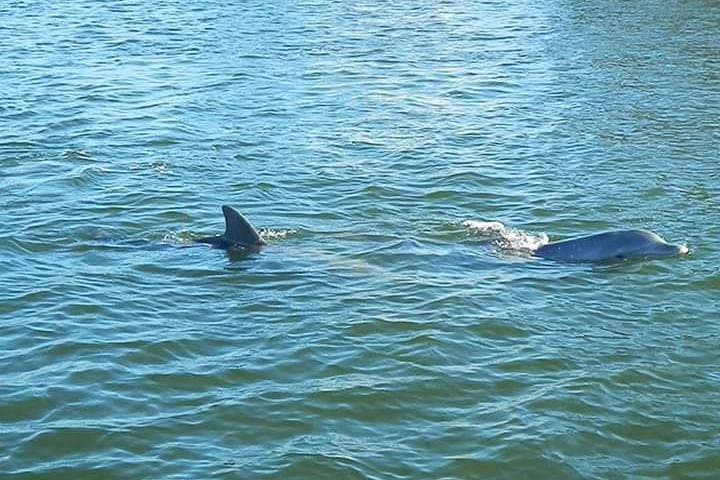
Cruise the Banana River on a two-hour eco tour from Cocoa Beach to see manatees, dolphins, and the shoreline of Merritt Island National Wildlife Refuge. Guided narration focuses on local ecology and restoration efforts.
Cruise the Banana River on a two-hour eco tour from Cocoa Beach to see manatees, dolphins, and the shoreline of Merritt Island National Wildlife Refuge. Guided narration focuses on local ecology and restoration efforts.
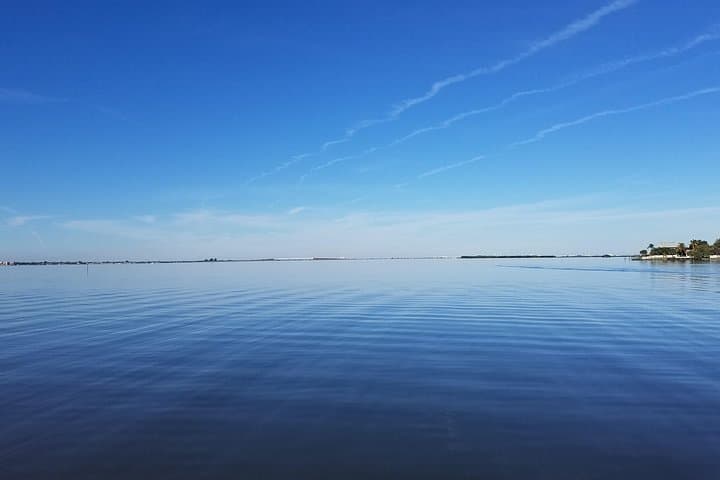
The motor ticks down and the Banana River opens like a corridor of light—mangrove roots skimming the hull, a slow wake folding back into glassy estuary.
Verified experiences and guided adventures in the surrounding area.
Operated by Banana River Boat Tours · Cocoa Beach, Florida
The motor ticks down and the Banana River opens like a corridor of light—mangrove roots skimming the hull, a slow wake folding back into glassy estuary.
On this two-hour eco cruise out of Cocoa Beach, guides steer through channels where manatees surface with mild curiosity and dolphins thread arcs against a pale sky. The Indian River Lagoon is an estuary of contrasts: shallow seagrass flats that feed wintering birds, and deeper tidal channels carved by the Atlantic's pull. Geologically it's young—sand and shells shifted by currents and storms over millennia—and culturally it's long been a working waterway for the region's fisherfolk and a travel corridor for Indigenous peoples before European contact.
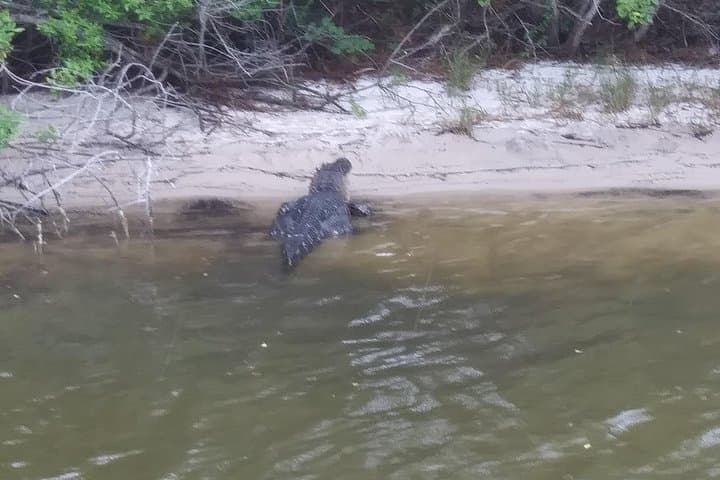
You’ll pass the water-facing fringe of Merritt Island National Wildlife Refuge and get a close look at marsh edges where fiddler crabs warn of your approach, while guides explain seagrass restoration and the lagoon’s unusually high biodiversity.
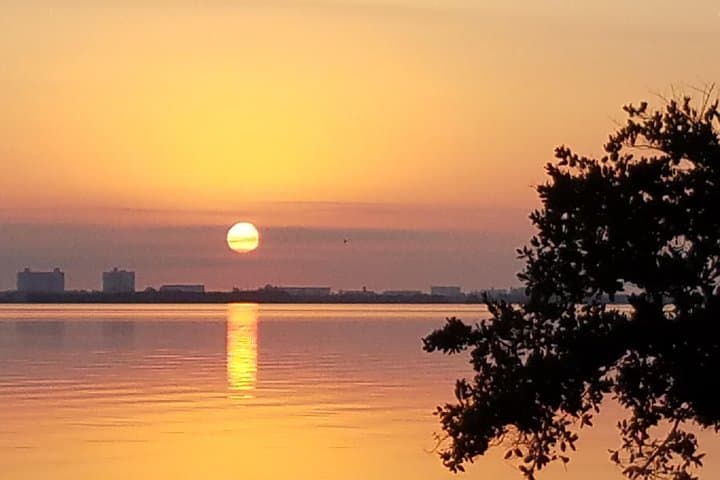
Practical details matter: tours last two hours, run on USCG-inspected vessels with life jackets provided, and are suitable for all fitness levels. Bring sun protection and motion-sickness remedies if you're sensitive—boats hold steady but the Atlantic can influence chop in the channels. Early morning trips offer cooler temperatures and more active wildlife; late-afternoon outings catch softer light and calmer winds.
Keep distance from manatees and nesting birds, listen to your guide about restricted zones, and expect a steady pace—enough time to watch wildlife but not so long that small kids lose interest. For photographers, a mid-telephoto lens and a polarizer will sharpen reflections and cut glare.
easy.
2 hours.
Suitable for all fitness levels; mostly seated or brief standing on a stable tour boat
Sightings are common but not guaranteed—manatees and bottlenose dolphins frequent the lagoon year-round, with higher activity in cooler months for manatees near warmer outflows.
Yes; vessels and boarding are wheelchair accessible as noted, but call ahead to confirm assistance and any specific accessibility needs.
Private charters are available upon request—contact the operator for pricing and custom departure times.
Full refunds are available if you cancel at least 24 hours before departure; tours may be canceled for bad weather or insufficient travelers.
The Indian River Lagoon has been a vital resource for Indigenous peoples and later coastal communities; it's also one of North America’s most biodiverse estuaries due to a mix of freshwater and marine influences.
The lagoon faces seagrass loss and nutrient runoff issues—respect speed zones, avoid shallow seagrass beds, and follow guide instructions to minimize your impact.
Banana River Boat Tours operates guided outdoor trips and adventures with an emphasis on safety, stewardship, and memorable experiences.
The motor ticks down and the Banana River opens like a corridor of light—mangrove roots skimming the hull, a slow wake folding back into glassy estuary.
The motor ticks down and the Banana River opens like a corridor of light—mangrove roots skimming the hull, a slow wake folding back into glassy estuary.
On this two-hour eco cruise out of Cocoa Beach, guides steer through channels where manatees surface with mild curiosity and dolphins thread arcs against a pale sky. The Indian River Lagoon is an estuary of contrasts: shallow seagrass flats that feed wintering birds, and deeper tidal channels carved by the Atlantic's pull. Geologically it's young—sand and shells shifted by currents and storms over millennia—and culturally it's long been a working waterway for the region's fisherfolk and a travel corridor for Indigenous peoples before European contact.
You’ll pass the water-facing fringe of Merritt Island National Wildlife Refuge and get a close look at marsh edges where fiddler crabs warn of your approach, while guides explain seagrass restoration and the lagoon’s unusually high biodiversity.
Practical details matter: tours last two hours, run on USCG-inspected vessels with life jackets provided, and are suitable for all fitness levels. Bring sun protection and motion-sickness remedies if you're sensitive—boats hold steady but the Atlantic can influence chop in the channels. Early morning trips offer cooler temperatures and more active wildlife; late-afternoon outings catch softer light and calmer winds.
Keep distance from manatees and nesting birds, listen to your guide about restricted zones, and expect a steady pace—enough time to watch wildlife but not so long that small kids lose interest. For photographers, a mid-telephoto lens and a polarizer will sharpen reflections and cut glare.