THE ADVENTURE COLLECTIVE® · Independent discovery and booking for outdoor travel

Explore the High Line’s elevated gardens, trace the Hudson River’s maritime legacy, and wander Chelsea’s gallery-lined streets on a focused two-hour walking tour. Ideal for travelers who want urban history, architecture, and waterfront views in one short outing.
Explore the High Line’s elevated gardens, trace the Hudson River’s maritime legacy, and wander Chelsea’s gallery-lined streets on a focused two-hour walking tour. Ideal for travelers who want urban history, architecture, and waterfront views in one short outing.
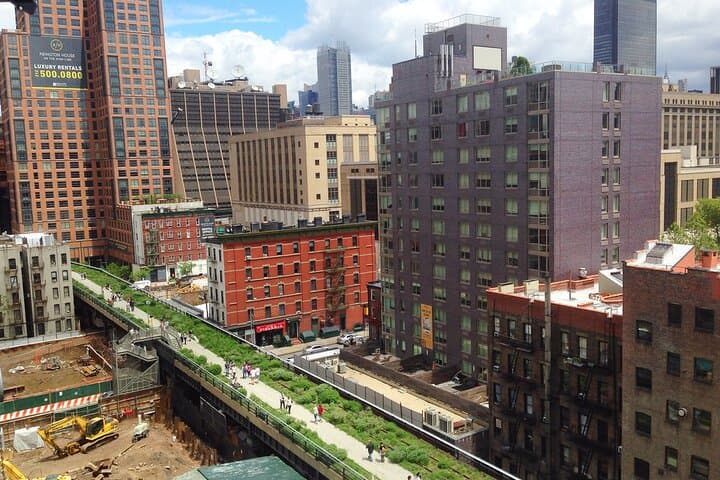
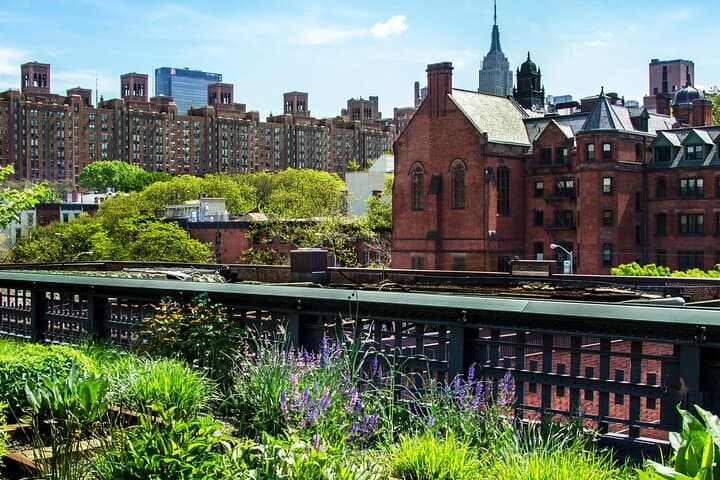
Step onto the High Line at Gansevoort Street and the city shifts beneath you: elevated railbeds become planted walkways, delivery alleys become art-viewing corridors, and the Hudson River pulls the skyline toward the water.
Verified experiences and guided adventures in the surrounding area.
Operated by UTG Experience · New York, NY
Step onto the High Line at Gansevoort Street and the city shifts beneath you: elevated railbeds become planted walkways, delivery alleys become art-viewing corridors, and the Hudson River pulls the skyline toward the water.
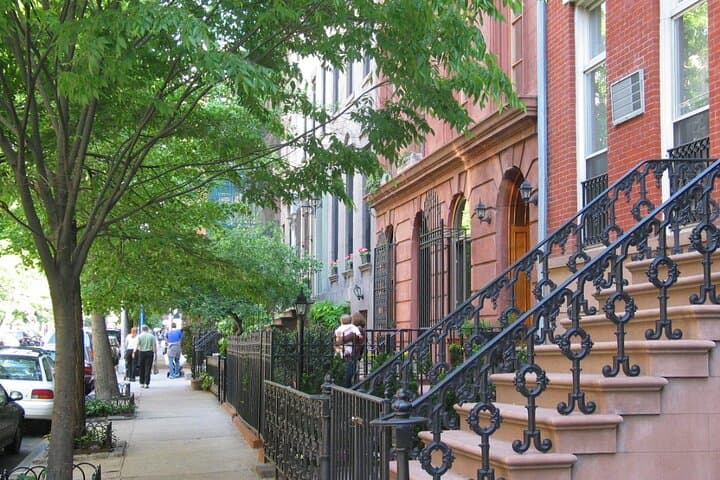
The two-hour route threads three distinct chapters of Manhattan history. The High Line began life as a 19th-century freight rail that lifted trains above street level to serve Meatpacking and West Chelsea; its conversion into an urban park conserved industrial ironwork while introducing native plantings. Walking west from the elevated promenade toward the Hudson, guides trace the river’s role in trade and immigration — a working tide that shaped piers, shipyards, and later parkland that now invites recreation. Chelsea closes the loop with gallery façades, repurposed warehouses, and market alleys that narrate the neighborhood’s move from industry to art and commerce.
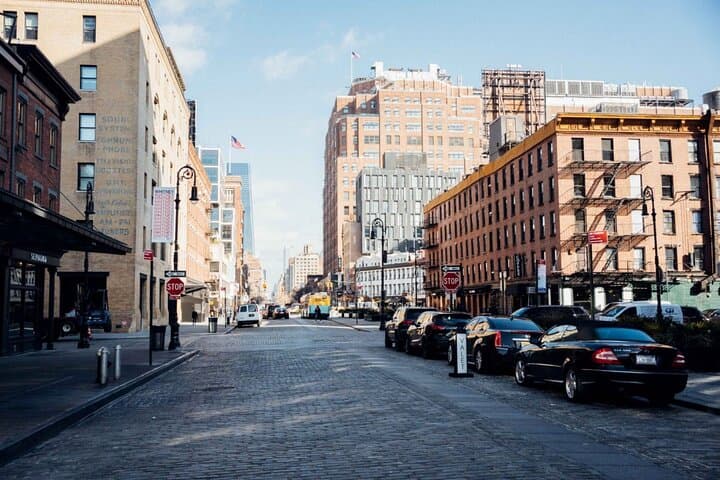
Expect roughly 1.5–2 miles of mostly flat, paved and boardwalk surfaces with short flights of stairs or accessible ramps; elevation gain is minimal (about 20–30 feet on the High Line). Terrain is urban but varied: planted beds, wooden decking, and cobbled service lanes in Chelsea.
Practical edge: go early to avoid crowds, wear supportive walking shoes, and bring a refillable bottle — water fountains are limited. Use the A/C/E, L, or 1/2/3 subway lines to reach the Meatpacking/14th Street corridor. The tour moves at a steady walking pace with frequent stops for history, architecture, and river views — ideal for travelers comfortable on their feet for two hours.
moderate.
2 hours.
Moderate fitness: participants should be comfortable standing and walking 1.5–2 miles over varied urban surfaces.
The meeting point is the High Line entrance at Gansevoort Street and Washington Street in the Meatpacking District; tours typically finish in Chelsea within walking distance of the High Line.
The tour notes stroller accessibility; the High Line has elevators and ramps at specific access points but ask the operator ahead to confirm wheelchair access for your scheduled route.
Public restrooms on the High Line are limited; nearby indoor options include Chelsea Market and some gallery cafés — plan a quick stop if needed before the tour starts.
Full refunds are available if you cancel at least 24 hours before the scheduled departure; check your booking confirmation for details.
The High Line was built in the 1930s as an elevated freight rail to remove dangerous train traffic from Manhattan streets; Chelsea evolved from meatpacking and shipping to a hub of galleries and adaptive reuse architecture.
The High Line is an example of adaptive reuse that prioritizes urban greenspace and native plantings; visitors should stay on paths and avoid disturbing planted areas to protect habitat.
UTG Experience operates guided outdoor trips and adventures with an emphasis on safety, stewardship, and memorable experiences.
Step onto the High Line at Gansevoort Street and the city shifts beneath you: elevated railbeds become planted walkways, delivery alleys become art-viewing corridors, and the Hudson River pulls the skyline toward the water.
Step onto the High Line at Gansevoort Street and the city shifts beneath you: elevated railbeds become planted walkways, delivery alleys become art-viewing corridors, and the Hudson River pulls the skyline toward the water.
The two-hour route threads three distinct chapters of Manhattan history. The High Line began life as a 19th-century freight rail that lifted trains above street level to serve Meatpacking and West Chelsea; its conversion into an urban park conserved industrial ironwork while introducing native plantings. Walking west from the elevated promenade toward the Hudson, guides trace the river’s role in trade and immigration — a working tide that shaped piers, shipyards, and later parkland that now invites recreation. Chelsea closes the loop with gallery façades, repurposed warehouses, and market alleys that narrate the neighborhood’s move from industry to art and commerce.
Expect roughly 1.5–2 miles of mostly flat, paved and boardwalk surfaces with short flights of stairs or accessible ramps; elevation gain is minimal (about 20–30 feet on the High Line). Terrain is urban but varied: planted beds, wooden decking, and cobbled service lanes in Chelsea.
Practical edge: go early to avoid crowds, wear supportive walking shoes, and bring a refillable bottle — water fountains are limited. Use the A/C/E, L, or 1/2/3 subway lines to reach the Meatpacking/14th Street corridor. The tour moves at a steady walking pace with frequent stops for history, architecture, and river views — ideal for travelers comfortable on their feet for two hours.