THE ADVENTURE COLLECTIVE® · Independent discovery and booking for outdoor travel

Explore Luxor’s essentials in a two-day private tour that pairs Valley of the Kings tombs and Karnak’s hypostyle halls with an optional sunrise hot-air balloon flight. Practical planning notes and what to expect on the ground.
Explore Luxor’s essentials in a two-day private tour that pairs Valley of the Kings tombs and Karnak’s hypostyle halls with an optional sunrise hot-air balloon flight. Practical planning notes and what to expect on the ground.
You step from an air-conditioned vehicle into a light that seems to flatten time—golden sun on sandstone, the Nile low and slow, cliffs on the West Bank daring you toward narrow tomb entrances.
Verified experiences and guided adventures in the surrounding area.
Operated by Egotel Holidays · Luxor, Luxor Governorate
You step from an air-conditioned vehicle into a light that seems to flatten time—golden sun on sandstone, the Nile low and slow, cliffs on the West Bank daring you toward narrow tomb entrances.
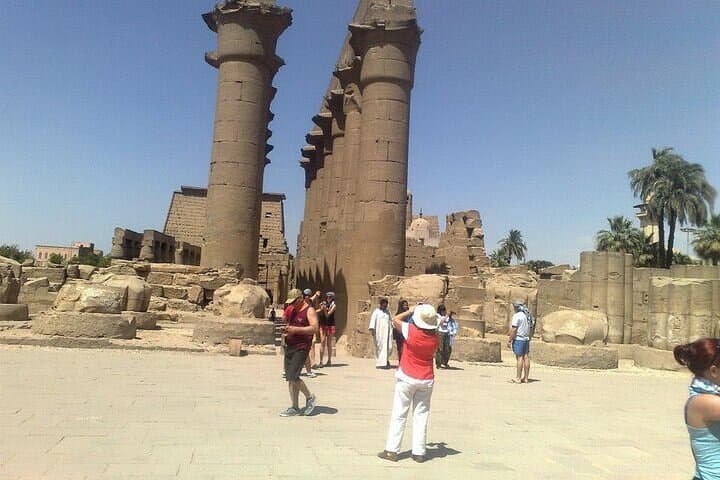
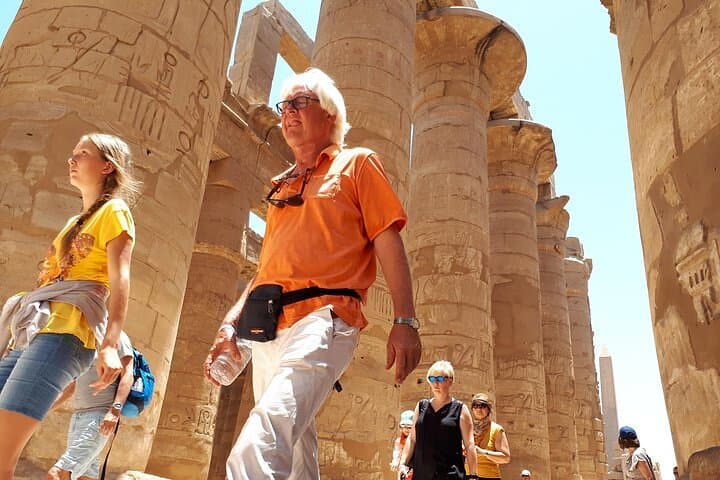
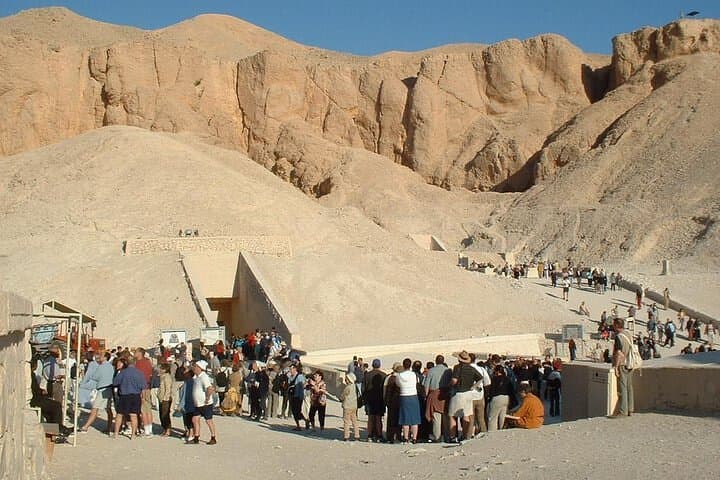
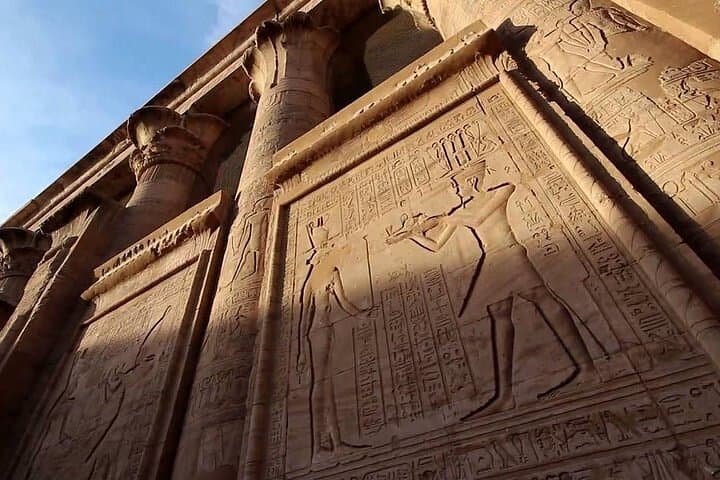
Across two days this private tour threads the highlights of ancient Thebes: the painted corridors of the Valley of the Kings, Queen Hatshepsut’s colonnaded mortuary temple at Deir el-Bahari, the Colossi of Memnon and the vast hypostyle halls of Karnak on the East Bank. An Egyptologist walks beside you, naming gods and rites, explaining funerary texts and the practical geology—soft limestone cut into angled passageways that preserved pharaonic art for millennia.
Luxor’s history is obvious: capital of the New Kingdom, a city built by kings and reworked by priests; its temples mark political and religious shifts across centuries. Culture here mixes modern market life with living archaeological practice—local conservators, boatmen on the Nile and vendors selling papyrus alongside guidebooks.
Practical guidance: start early to avoid midday heat and crowds; wear sturdy closed shoes for uneven cut rock and temple thresholds; carry at least 2 liters of water per person and sun protection. If you opt for the hot-air balloon, it’s weather-dependent and often scheduled just before dawn—book in advance and expect an additional fee. Bring small local currency for entrance upgrades (King Tut’s tomb has a separate ticket) and tip your licensed guide if they enriched the experience. Respect site rules—no flash photography in many tombs and stay on marked paths to preserve fragile reliefs.
easy.
2 days.
Suitable for most fitness levels; involves walking on uneven surfaces, stairs and short uphill approaches.
No—the hot air balloon is optional, weather-dependent and usually booked separately with an extra cost; confirm availability in advance.
Some main site fees are included in private tour pricing, but special entrances (for example King Tutankhamun’s display) often require an additional ticket paid on-site.
The itinerary is suitable for families, but tombs have narrow passages and uneven steps; those with mobility constraints should check site accessibility in advance.
Tipping is customary—plan roughly 10–15% of the tour cost split between the guide and driver or a small cash amount per person per day as appreciation.
Luxor sits on ancient Thebes, the political and religious heart of Egypt’s New Kingdom; many major temples were built and expanded across successive pharaohs.
Sites are fragile—follow marked paths, avoid touching painted reliefs and support licensed local guides who work with conservation teams.
Egotel Holidays operates guided outdoor trips and adventures with an emphasis on safety, stewardship, and memorable experiences.
You step from an air-conditioned vehicle into a light that seems to flatten time—golden sun on sandstone, the Nile low and slow, cliffs on the West Bank daring you toward narrow tomb entrances.
You step from an air-conditioned vehicle into a light that seems to flatten time—golden sun on sandstone, the Nile low and slow, cliffs on the West Bank daring you toward narrow tomb entrances.
Across two days this private tour threads the highlights of ancient Thebes: the painted corridors of the Valley of the Kings, Queen Hatshepsut’s colonnaded mortuary temple at Deir el-Bahari, the Colossi of Memnon and the vast hypostyle halls of Karnak on the East Bank. An Egyptologist walks beside you, naming gods and rites, explaining funerary texts and the practical geology—soft limestone cut into angled passageways that preserved pharaonic art for millennia.
Luxor’s history is obvious: capital of the New Kingdom, a city built by kings and reworked by priests; its temples mark political and religious shifts across centuries. Culture here mixes modern market life with living archaeological practice—local conservators, boatmen on the Nile and vendors selling papyrus alongside guidebooks.
Practical guidance: start early to avoid midday heat and crowds; wear sturdy closed shoes for uneven cut rock and temple thresholds; carry at least 2 liters of water per person and sun protection. If you opt for the hot-air balloon, it’s weather-dependent and often scheduled just before dawn—book in advance and expect an additional fee. Bring small local currency for entrance upgrades (King Tut’s tomb has a separate ticket) and tip your licensed guide if they enriched the experience. Respect site rules—no flash photography in many tombs and stay on marked paths to preserve fragile reliefs.