THE ADVENTURE COLLECTIVE® · Independent discovery and booking for outdoor travel

Spend two days with a local guide exploring Cappadocia’s sculpted rock landscapes, underground cities and living pottery traditions. This private tour balances panoramic viewpoints and a canyon hike with hands-on cultural stops and flexible pacing.
Spend two days with a local guide exploring Cappadocia’s sculpted rock landscapes, underground cities and living pottery traditions. This private tour balances panoramic viewpoints and a canyon hike with hands-on cultural stops and flexible pacing.
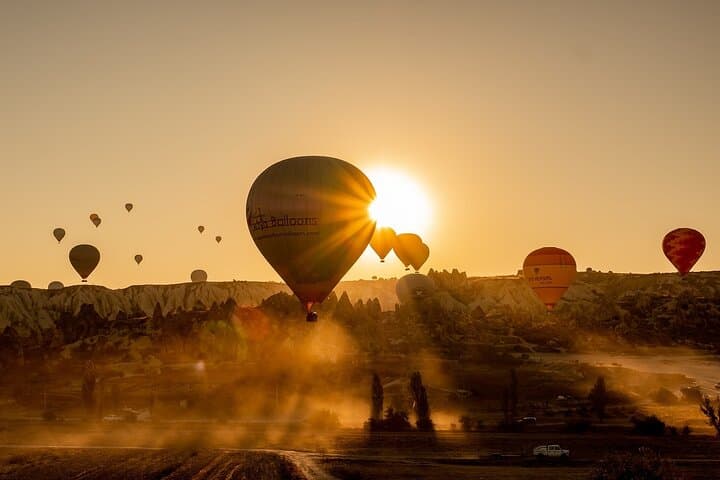
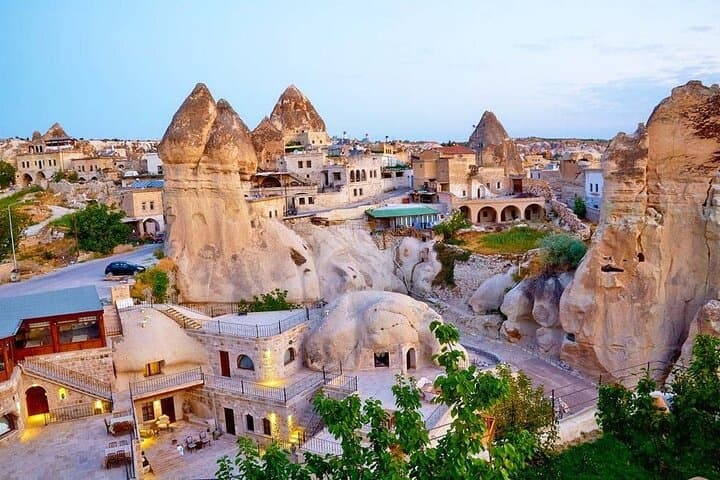
You step out of a rented minivan as the valley exhales—cool stone wind riffing across soft spires of tuff. A guide lowers the tone of their voice and points: a clutch of fairy chimneys lean like old columns, one capped with a precarious hat that seems to defy gravity. For two days, Cappadocia asks you to slow down and read the land: volcanic ash shaped by millennia of wind, water and human hands into places people have lived, worshipped and worked beneath the same sky.
Verified experiences and guided adventures in the surrounding area.
Operated by ROBIOS TOURS TURKEY · Göreme, Nevşehir Province
You step out of a rented minivan as the valley exhales—cool stone wind riffing across soft spires of tuff. A guide lowers the tone of their voice and points: a clutch of fairy chimneys lean like old columns, one capped with a precarious hat that seems to defy gravity. For two days, Cappadocia asks you to slow down and read the land: volcanic ash shaped by millennia of wind, water and human hands into places people have lived, worshipped and worked beneath the same sky.
The region is volcanic in origin—soft tuff deposits from ancient eruptions carved into chimneys, cones and caves by erosion. Hittite potters first shaped clay from the Halys (Kızılırmak) basin; later, early Christians hollowed churches and monasteries into the rock to escape persecution. On day one the tour threads through Paşabağ (Monks’ Valley) and other formations where columns tower 20–60 meters; you’ll watch a pottery demonstration in Avanos, where craftsmen keep a lineage of techniques that reaches back to those Hittite producers.
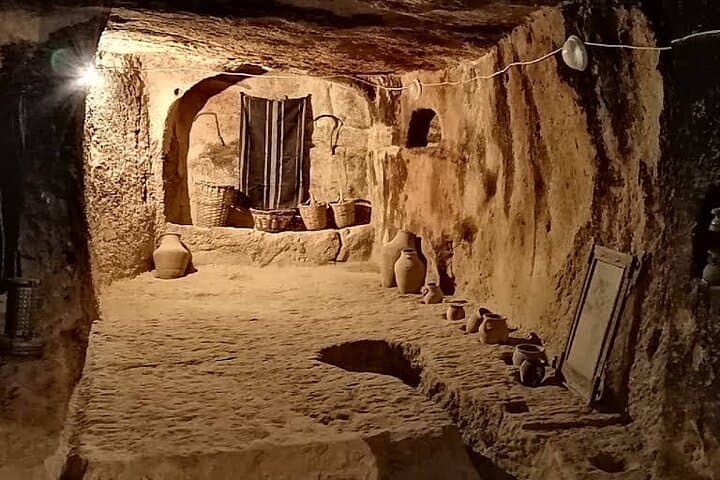
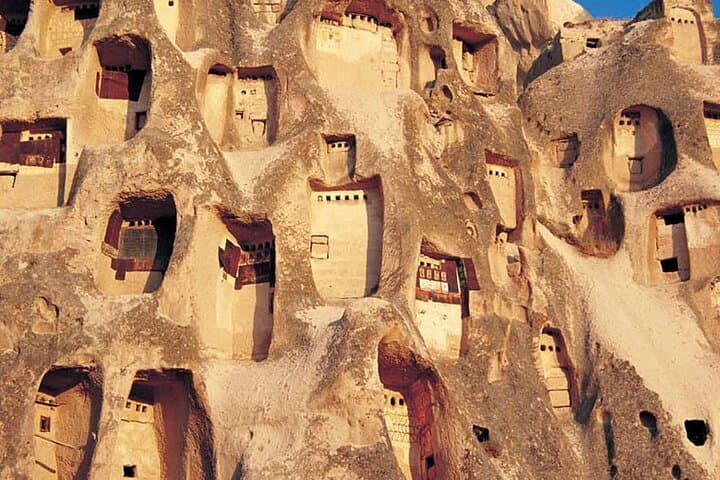
Day two shifts inward: a visit to Derinkuyu, the deepest of Cappadocia’s underground cities, reveals narrow stone passages and ventilation shafts that descend roughly 60 meters across multiple levels—spaces built for concealment and long-term habitation. An afternoon canyon hike passes cliff-cut chapels and Byzantine fresco fragments; the trail is quiet enough that gulls and kestrels make the cliffs sound alive.
Practicalities: the private format gives flexibility—expect roughly 7–8 hours each day with multiple short walks (one canyon hike of about 4–6 km with ~150–250 m cumulative elevation change). Guides typically advise paying site entrance fees on the spot—published package notes estimate roughly US$70 per person in combined admissions. Vehicles pick up from hotels across Göreme, Ürgüp and surrounding towns; allow 15 minutes for hotel pickup.
Preparation matters: sturdy shoes, sun protection and a small daypack will make both the rock scrambles and underground stairways manageable. Bring cash and a card for museum fees and pottery purchases. If you’re prone to claustrophobia or have heart/back issues, discuss underground visits with your guide—Derinkuyu has steep, narrow sections.
Timing: sunrise and early morning keep crowds low; late afternoon light turns the tuff a deep, photogenic ochre. Support local crafts by buying directly from potters and follow marked paths in fragile valleys—Cappadocia’s geology is resilient but visitor behavior determines its next generation.
moderate.
2 days (approx. 7–8 hours/day).
Moderate fitness for several hours of walking, one 4–6 km canyon hike with uneven terrain and short ascents
No—guides recommend paying museum and site entrance fees locally; the package notes estimate around US$70 per person in combined admissions.
Yes—infants and small children can join (stroller accessibility varies), but underground cities have narrow passages that may be unsuitable for very young children.
Yes—this private tour is designed for flexibility; tell your guide your priorities and they will adapt pacing and stops.
Expect mostly short walks between viewpoints and a 4–6 km canyon hike on day two; total walking each day is moderate with some uneven terrain.
Yes—your guide will arrange a pottery demonstration and you’ll have time to buy directly from masters, which supports local artisans.
Derinkuyu has tight, steep stairways; guests with claustrophobia or mobility/heart/back concerns should discuss alternatives with the guide ahead of time.
Cappadocia’s rock-cut architecture grew from Hittite pottery traditions and was later expanded by early Christians who carved churches and monastic complexes into the soft tuff.
Stay on marked trails and avoid touching frescoes; buy from local potters to sustain traditional crafts while limiting pressure on fragile geological features.
ROBIOS TOURS TURKEY operates guided outdoor trips and adventures with an emphasis on safety, stewardship, and memorable experiences.
You step out of a rented minivan as the valley exhales—cool stone wind riffing across soft spires of tuff. A guide lowers the tone of their voice and points: a clutch of fairy chimneys lean like old columns, one capped with a precarious hat that seems to defy gravity. For two days, Cappadocia asks you to slow down and read the land: volcanic ash shaped by millennia of wind, water and human hands into places people have lived, worshipped and worked beneath the same sky.
You step out of a rented minivan as the valley exhales—cool stone wind riffing across soft spires of tuff. A guide lowers the tone of their voice and points: a clutch of fairy chimneys lean like old columns, one capped with a precarious hat that seems to defy gravity. For two days, Cappadocia asks you to slow down and read the land: volcanic ash shaped by millennia of wind, water and human hands into places people have lived, worshipped and worked beneath the same sky.
The region is volcanic in origin—soft tuff deposits from ancient eruptions carved into chimneys, cones and caves by erosion. Hittite potters first shaped clay from the Halys (Kızılırmak) basin; later, early Christians hollowed churches and monasteries into the rock to escape persecution. On day one the tour threads through Paşabağ (Monks’ Valley) and other formations where columns tower 20–60 meters; you’ll watch a pottery demonstration in Avanos, where craftsmen keep a lineage of techniques that reaches back to those Hittite producers.
Day two shifts inward: a visit to Derinkuyu, the deepest of Cappadocia’s underground cities, reveals narrow stone passages and ventilation shafts that descend roughly 60 meters across multiple levels—spaces built for concealment and long-term habitation. An afternoon canyon hike passes cliff-cut chapels and Byzantine fresco fragments; the trail is quiet enough that gulls and kestrels make the cliffs sound alive.
Practicalities: the private format gives flexibility—expect roughly 7–8 hours each day with multiple short walks (one canyon hike of about 4–6 km with ~150–250 m cumulative elevation change). Guides typically advise paying site entrance fees on the spot—published package notes estimate roughly US$70 per person in combined admissions. Vehicles pick up from hotels across Göreme, Ürgüp and surrounding towns; allow 15 minutes for hotel pickup.
Preparation matters: sturdy shoes, sun protection and a small daypack will make both the rock scrambles and underground stairways manageable. Bring cash and a card for museum fees and pottery purchases. If you’re prone to claustrophobia or have heart/back issues, discuss underground visits with your guide—Derinkuyu has steep, narrow sections.
Timing: sunrise and early morning keep crowds low; late afternoon light turns the tuff a deep, photogenic ochre. Support local crafts by buying directly from potters and follow marked paths in fragile valleys—Cappadocia’s geology is resilient but visitor behavior determines its next generation.