THE ADVENTURE COLLECTIVE® · Independent discovery and booking for outdoor travel

A two-day desert escape from Marrakech that combines High Atlas passes, world-heritage kasbahs, a camel ride into Zagora dunes and an overnight Berber camp. Expect long scenic drives, short sand walks, and immersive cultural stops.
A two-day desert escape from Marrakech that combines High Atlas passes, world-heritage kasbahs, a camel ride into Zagora dunes and an overnight Berber camp. Expect long scenic drives, short sand walks, and immersive cultural stops.
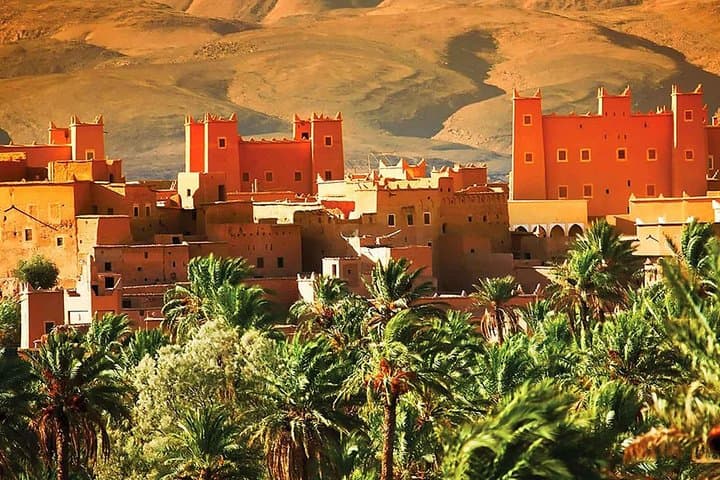
You leave Marrakech before the sun has fully warmed Jemaa el-Fnaa, folding the ochre city into the rearview as the road climbs the High Atlas. The pass hits 2,260 m; wind and rock sharpen the air, then the landscape opens into the green ribbon of the Draa Valley and the long, sun-baked line of kasbahs that guard it. By late afternoon the minivan eases onto desert tracks, camels kneel, and a narrow dune ridge becomes your front-row seat for the sun.
Verified experiences and guided adventures in the surrounding area.
Operated by tour in Morocco · Marrakech, Marrakech-Safi
You leave Marrakech before the sun has fully warmed Jemaa el-Fnaa, folding the ochre city into the rearview as the road climbs the High Atlas. The pass hits 2,260 m; wind and rock sharpen the air, then the landscape opens into the green ribbon of the Draa Valley and the long, sun-baked line of kasbahs that guard it. By late afternoon the minivan eases onto desert tracks, camels kneel, and a narrow dune ridge becomes your front-row seat for the sun.
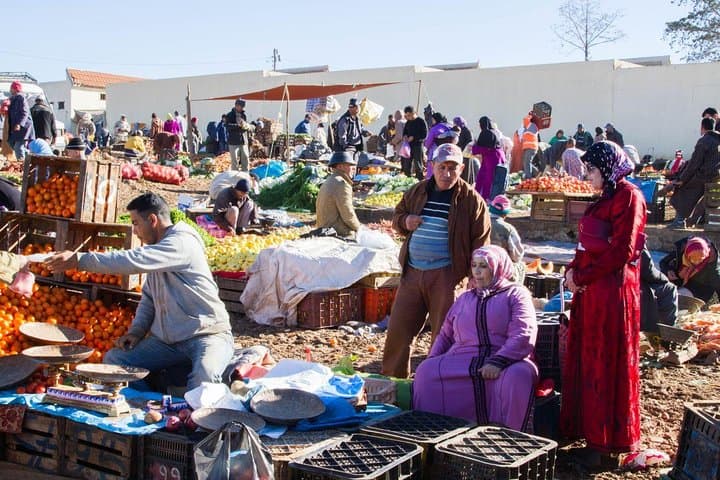
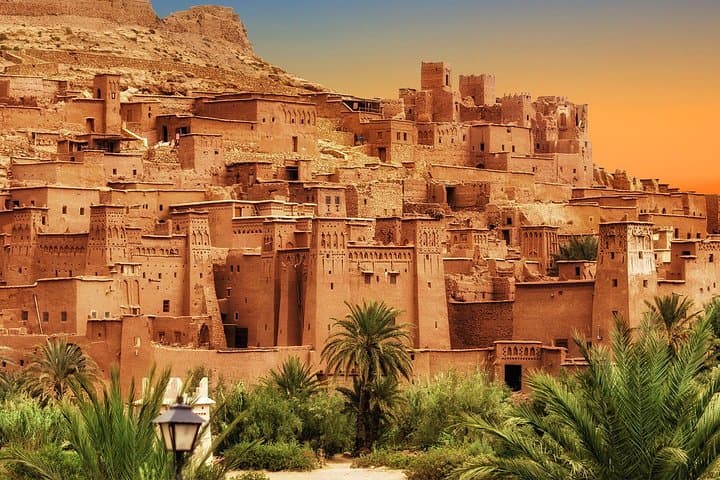
This itinerary threads history and geology: mudbrick kasbahs built from local clay mark centuries of caravan trade, while the Draa — Morocco’s longest river — still feeds palms and small oases. The Zagora dunes sit at the desert’s edge where wind-scoured sands meet dry river terraces; the textures change in minutes from packed piste to soft sand. Berber hospitality is central — expect mint tea, a simple communal dinner, and live music around the campfire.
Practical edge: plan for long drives (Marrakech–Zagora is roughly 6–8 hours each way with stops), brief hikes on uneven sand, and a one-hour camel transfer into camp. Elevation highs at Tizi n’Tichka demand warmer layers at dawn and evening. Sun protection, steady footwear for rocky kasbah approaches, and a small daypack for water and camera will keep the trip smooth.
This is a compact, doable desert primer — immersive nights under stars and cinematic kasbah stops without backcountry expedition logistics. Go ready for both long road hours and the hush of dunes that seem to push you toward the horizon.
moderate.
2 days.
Suitable for most travelers with basic mobility; must handle one-hour camel rides and short walks on sand and uneven surfaces
Expect about 6–8 hours with photo stops and brief visits; the route crosses the Tizi n’Tichka pass and several scenic valleys.
Camps vary, but most provide heated or insulated tents, mattresses, bedding, dinner, and breakfast—comfortable for travelers used to basic camp amenities.
Camel rides are slow and handled by local guides; riders should be able to get on/off with assistance and manage a one-hour sitting ride.
Typical two-day packages include one dinner and one breakfast at the desert camp plus hotel pickup and drop-off—confirm dietary needs at booking.
The Draa Valley and its kasbahs were a trade corridor between sub-Saharan Africa and North Africa; many mudbrick fortifications date to the 17th–19th centuries and sheltered caravans and communities.
Water is scarce—minimize single-use plastics and follow local guidance on campfire use and waste disposal to protect fragile desert ecosystems.
tour in Morocco operates guided outdoor trips and adventures with an emphasis on safety, stewardship, and memorable experiences.

You leave Marrakech before the sun has fully warmed Jemaa el-Fnaa, folding the ochre city into the rearview as the road climbs the High Atlas. The pass hits 2,260 m; wind and rock sharpen the air, then the landscape opens into the green ribbon of the Draa Valley and the long, sun-baked line of kasbahs that guard it. By late afternoon the minivan eases onto desert tracks, camels kneel, and a narrow dune ridge becomes your front-row seat for the sun.
You leave Marrakech before the sun has fully warmed Jemaa el-Fnaa, folding the ochre city into the rearview as the road climbs the High Atlas. The pass hits 2,260 m; wind and rock sharpen the air, then the landscape opens into the green ribbon of the Draa Valley and the long, sun-baked line of kasbahs that guard it. By late afternoon the minivan eases onto desert tracks, camels kneel, and a narrow dune ridge becomes your front-row seat for the sun.
This itinerary threads history and geology: mudbrick kasbahs built from local clay mark centuries of caravan trade, while the Draa — Morocco’s longest river — still feeds palms and small oases. The Zagora dunes sit at the desert’s edge where wind-scoured sands meet dry river terraces; the textures change in minutes from packed piste to soft sand. Berber hospitality is central — expect mint tea, a simple communal dinner, and live music around the campfire.
Practical edge: plan for long drives (Marrakech–Zagora is roughly 6–8 hours each way with stops), brief hikes on uneven sand, and a one-hour camel transfer into camp. Elevation highs at Tizi n’Tichka demand warmer layers at dawn and evening. Sun protection, steady footwear for rocky kasbah approaches, and a small daypack for water and camera will keep the trip smooth.
This is a compact, doable desert primer — immersive nights under stars and cinematic kasbah stops without backcountry expedition logistics. Go ready for both long road hours and the hush of dunes that seem to push you toward the horizon.